Exclusive Trailer Premiere And Release Date Announced For Jason Park’s Medical Thriller Transplant Starring Bill Camp And Eric Nam

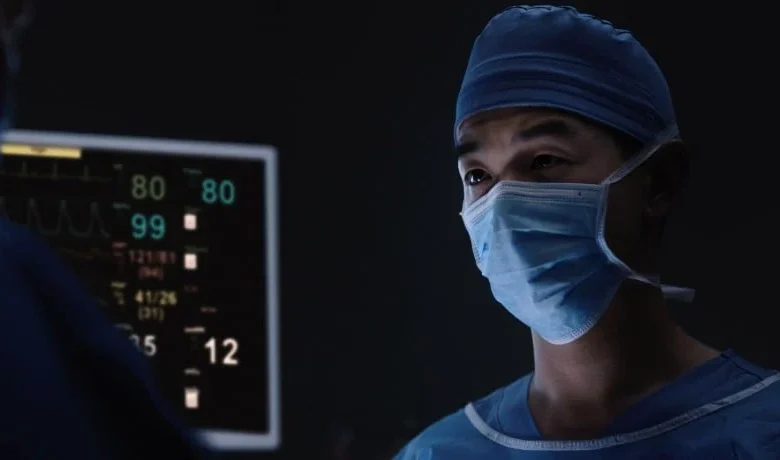
Vertical Entertainment has officially announced the upcoming theatrical and digital release of Transplant, a high-stakes psychological medical thriller directed by filmmaker Jason Park. Set to arrive for audiences on November 20th, the feature-length drama explores the dark and demanding underbelly of elite surgical training, probing the moral compromises and personal sacrifices required to reach the pinnacle of modern medicine. Alongside the distribution date, an exclusive first-look trailer has been unveiled, offering viewers a glimpse into the intense dynamic between a relentlessly ambitious resident and a legendary, uncompromising mentor.
The film boasts a formidable ensemble cast led by seasoned character actor Bill Camp and multifaceted entertainer Eric Nam in a dramatic feature role. They are joined on screen by Michelle Okkyung Lee, April Grace, and veteran actor Adam Arkin. Produced within the competitive landscape of independent cinema, Transplant takes a scalpel to the institutional pressures of top-tier hospitals, framing the pursuit of medical excellence not merely as an intellectual challenge, but as an ethically fraught crucible.
Main Facts and Narrative Premise
At the center of Transplant is Jonah Yoon, portrayed by Eric Nam, an intensely driven surgical resident whose singular focus is to secure a permanent place at the absolute top of his field. To achieve this, Jonah attaches himself to the orbit of Dr. Edward Harmon, played by Bill Camp, a world-renowned heart transplant surgeon whose reputation for professional brilliance is matched only by his authoritarian demeanor. Dr. Harmon serves as the ultimate gatekeeper to prestige, but his tutelage demands far more than technical proficiency; it requires total psychological surrender.
As Jonah plunges deeper into the grueling demands of Dr. Harmon’s inner circle, he quickly learns that the price of admission is absolute loyalty and unquestioning subservience. The narrative escalates when an acute personal crisis collides with his professional aspirations. Jonah’s mother, played by Michelle Okkyung Lee, suffers a severe deterioration in her health. This unexpected medical emergency forces Jonah into an impossible dilemma, pitting his filial duty and familial devotion against the career trajectory that his entire family has sacrificed years to help him build.
The exclusive trailer highlights the suffocating atmosphere of the hospital corridors, contrasting the sterile, brightly lit operating rooms with the moral darkness of the choices facing the protagonist. Through rapid cuts and tense exchanges, the footage establishes the generational pressure placed upon children of immigrants striving for institutional success, juxtaposed against the cold, transactional nature of elite medical hierarchies.
Chronology and Production Background
The journey of Transplant to the screen reflects the methodical development typical of independent prestige dramas. Director Jason Park, known for his keen eye for character-driven storytelling and atmospheric tension, spent years developing the project with an emphasis on authentic medical environments and psychological realism. The production aimed to move beyond the traditional, fast-paced episodic formatting of network medical dramas, opting instead for a slow-burn, feature-length examination of ambition and corruption within institutional walls.
Casting announcements rolled out across trade publications during the film’s development and production phases, generating early industry buzz due to the eclectic and talented lineup. The inclusion of Eric Nam—globally recognized for his successful music career and digital media footprint—marked a significant transition into dramatic acting, drawing considerable attention from international media outlets and entertainment analysts alike. Meanwhile, the addition of veteran performers like Bill Camp and Adam Arkin provided the production with immediate gravitas, anchoring the tense narrative in seasoned acting talent.
Following the completion of principal photography and post-production, Vertical Entertainment secured distribution rights, positioning the film for a late-autumn release window. This strategic timing places Transplant squarely in the middle of the awards-season corridor, where studios frequently release sophisticated, character-driven dramas aimed at discerning adult audiences and cinephiles.
Supporting Data and Industry Context
The release of Transplant taps into a long-standing cinematic fascination with the medical profession, yet it differentiates itself by focusing specifically on the psychological toll of residency programs. According to data from the Accreditation Council for Graduate Medical Education (ACGME) and various healthcare labor studies, medical residency is universally recognized as one of the most grueling periods in a professional’s life. Resident physicians frequently report working upwards of 80 hours per week, facing sleep deprivation, chronic stress, and immense pressure from attending physicians who hold total sway over their future career certifications.
Historically, Hollywood has approached medical environments primarily through the lens of procedural heroism—shows like ER, Grey’s Anatomy, and House, M.D. have dominated television screens by focusing on diagnostic puzzles, dramatic resuscitations, and interpersonal workplace romances. However, films that pivot toward the psychological corruption inherent in elite institutions remain rarer and more specialized. Movies such as David Cronenberg’s Dead Ringers or more recent indie thrillers exploring workplace toxicity find their spiritual successor in Transplant, which literalizes the "cost" of saving lives by examining whether a surgeon can maintain their humanity while surrendering their ethics to a master instructor.
Furthermore, the film contributes to the ongoing evolution of representation in mainstream cinema. By centering a Korean-American protagonist navigating the weight of immigrant familial sacrifices—a well-documented psychological phenomenon often referred to as the immigrant bargain—Transplant brings cultural specificity to a universal human dilemma. The economic and emotional capital invested by families to propel their children into high-status professions like medicine adds a layer of tragic necessity to Jonah’s descent into compromised compliance.
Official Responses and Creative Insights
While full-scale press junkets and wide promotional tours are rolling out in the weeks leading up to the November 20th premiere, early statements from the creative team underscore the psychological depth intended for the project. Director Jason Park has frequently emphasized in pre-release discussions that the film is not merely about medical procedures, but about the transactional nature of ambition in modern capitalist societies. The operating room functions as a microcosm of corporate hierarchy, where human lives are managed like assets and subordinates are treated as expendable instruments of a master surgeon’s legacy.
Industry analysts tracking the project have noted that Bill Camp’s casting as Dr. Harmon is a masterstroke of typecasting subversion and utilization. Camp, celebrated for his ability to project quiet menace and intense authority in projects such as The Queen’s Gambit and The Night Of, brings a chilling plausibility to the role of a mentor who believes his cruelty is a necessary filter for greatness. On the other side of the dynamic, Eric Nam’s transition into dramatic acting has been closely monitored by entertainment journalists, with early industry screenings suggesting that his performance captures the specific, coiled anxiety of a high-achieving perfectionist reaching his breaking point.
Vertical Entertainment’s acquisition and promotional strategy indicate strong confidence in the film’s ability to capture niche audiences hungry for smart, mid-budget thrillers. By securing a day-and-date or targeted theatrical rollout alongside digital availability, the distributor is ensuring that the film can reach both urban arthouse crowds and younger, digital-first demographics drawn to the multi-talented cast.
Broader Impact and Implications
As Transplant prepares for its November 20th debut, its cultural and cinematic implications extend beyond standard box-office metrics. The film arrives at a time when public discourse regarding workplace mental health, institutional abuse, and the burnout crisis among healthcare professionals is at an all-time high. Following the systemic strains placed on global medical infrastructures over recent years, stories that interrogate the mental stability and ethical boundaries of those holding the scalpel resonate with a heightened sense of realism.
For Eric Nam, the film represents a crucial pivot point in his career trajectory, potentially opening doors to more complex, dramatic cinematic roles on a global scale. For Jason Park, Transplant solidifies his standing as a distinct directorial voice capable of balancing atmospheric suspense with sharp social commentary on modern ambition.
Ultimately, Transplant invites viewers to look past the pristine white coats and sterile stainless-steel instruments of modern medicine to examine the human cost of perfection. As Jonah Yoon steps into the operating theater under the watchful eye of Dr. Edward Harmon, audiences are left to confront an uncomfortable question: How much of one’s soul is required to achieve greatness, and what happens when the bill finally comes due?
Related posts: