Savage Hunters Working Title Unveiled for Upcoming DC Universe Deathstroke and Bane Feature Film

The cinematic futures of two of DC Comics’ most formidable antagonists, Deathstroke and Bane, have historically suffered from a combination of unfortunate timing, erratic character adaptations, and shifting studio priorities. However, under the newly restructured leadership of DC Studios co-chairmen James Gunn and Peter Safran, the infamous mercenaries are finally slated to co-headline their own major motion picture. Recent industry disclosures indicate that the project, currently in early development under the working title Savage Hunters, marks a significant step forward in expanding the narrative scope of the overarching DC Universe (DCU).
Historical Context and Past Live-Action Adaptations
To understand the significance of a dedicated Deathstroke and Bane feature film, one must examine their previous, often troubled, live-action iterations. Bane, created by Chuck Dixon, Doug Moench, and Graham Nolan, debuted in the 1993 Knightfall comic book arc as a tactical genius combined with superhuman physical prowess derived from the Venom steroid. Despite his rich literary history, his cinematic translations have frequently missed the mark.
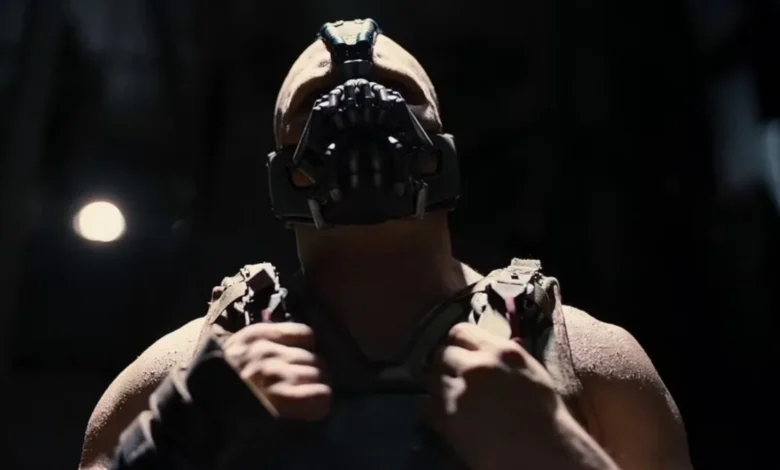
In Joel Schumacher’s 1997 camp classic Batman & Robin, Bane was reduced to a mindless, mute henchman for Uma Thurman’s Poison Ivy, easily neutralized when his venom supply tube was severed. Nearly a decade and a half later, Christopher Nolan’s 2012 epic The Dark Knight Rises attempted a more grounded, intellectual approach. Portrayed by Tom Hardy, this version of Bane functioned as a brilliant revolutionary strategist. Yet, the adaptation courted controversy due to aesthetic choices, including significant alterations to his comic book origins, and a distinct, heavily modulated vocal delivery that inadvertently became a prominent fixture of internet meme culture. This comedic interpretation was later embraced and amplified by the critically acclaimed adult animated series Harley Quinn, further distancing the character from his stoic comic book roots.
Deathstroke—born Slade Wilson, created by Marv Wolfman and George Pérez in 1980—has faced an entirely different set of cinematic hurdles. Primarily known as an elite tactical mercenary, master martial artist, and strategist, Deathstroke was originally poised to be a major antagonist in the now-defunct DC Extended Universe (DCEU). Actor Joe Manganiello was cast in the role, receiving personal training in martial arts and single-eyed combat preparation. He was slated to appear as the primary villain in a standalone Batman feature film intended to be directed by, and starring, Ben Affleck, as well as in subsequent Justice League installments. However, creative shake-ups, the cancellation of Affleck’s project, and the subsequent pivot away from Zack Snyder’s established continuity relegated Manganiello’s portrayal to fleeting post-credits cameos. Under the current DCU regime headed by Gunn, actors from the previous era are not expected to reprise their roles, with Gunn reportedly advising Manganiello to move on from the character.
Chronology of the DCU Development Process
The existence of the Deathstroke and Bane film came to light following a comprehensive corporate restructuring that merged operations under the newly formed Skydance-Warner Bros.-Paramount partnership. An internal corporate development ledger published by industry trade publications outlined the current slate of DC feature films classified in early development stages.
While high-profile projects such as Andy Muschietti’s Batman: The Brave and the Bold and James Mangold’s Swamp Thing had previously received substantial media coverage, the slate also highlighted lesser-publicized titles. These included a new Wonder Woman project, a live-action Teen Titans adaptation, and the project officially registered as "Savage Hunters aka Deathstroke & Bane Movie (DC)."

The developmental timeline for this project traces back to early mid-2026, when industry reports linked filmmaker Greg Mottola, known for comedies such as Superbad, as a potential contender to direct. Despite the preliminary excitement surrounding the creative pairing, studio executives are reportedly exercising caution, utilizing upcoming character-driven releases as barometers for audience reception.
Supporting Data and Industry Risk Analysis
The greenlighting of villain-centric ensemble pieces operates within a high-stakes commercial landscape influenced by recent box-office trends. Warner Bros. and DC Studios are monitoring the performance of upcoming standalone villain projects, notably the Clayface standalone film. The commercial viability of Clayface is expected to set a critical precedent; should it underperform, studio executives may reassess the viability of standalone antagonist features within the interconnected DCU framework.
Industry analysts frequently compare this strategy to Sony Pictures’ handling of its Spider-Man Universe properties. The massive commercial success of 2018’s Venom—largely attributed to Tom Hardy’s charismatic lead performance overcoming a conventional script—spawned a series of follow-ups, including Morbius, Madame Web, and Kraven the Hunter, which ultimately suffered from diminishing returns and critical backlash. Gunn and Safran are reportedly well-aware of these cinematic pitfalls, ensuring that narrative depth and character fidelity remain focal points during the early development phase of the DCU.
Public Reception and Branding Implications
The selection of the working title Savage Hunters has generated considerable discourse across social media platforms and fan communities. A significant portion of online commentary has questioned why the studio opted against a straightforward, recognizable title such as Deathstroke & Bane, pointing to the unprecedented box-office success of Marvel Studios’ Deadpool & Wolverine as a proven formula for character-led team-up projects. Reactions to the working title ranged from amusement at its retro aesthetic—with some fans comparing it to the naming conventions of 2000s-era video game adaptations—to curiosity regarding how the marketing department will position the film to general audiences.
From a strategic marketing perspective, a title that avoids relying exclusively on character names can be advantageous when introducing niche or misunderstood intellectual properties to casual moviegoers. While Bane possesses a recognizable cultural footprint—albeit a fractured one spanning multiple mediums—Deathstroke presents a specific branding challenge. To mainstream audiences unfamiliar with comic book publishing history, Deathstroke is frequently mistaken for a derivative of Marvel’s Deadpool, despite Deathstroke having debuted twelve years prior to Deadpool. (Comic book creator Rob Liefeld has consistently maintained that any stylistic similarities between the two characters are entirely coincidental).
Broader Impact and Future Outlook
As the DC Studios creative team continues to map out Chapters of the new cinematic universe, Savage Hunters represents a calculated gamble on anti-hero and villain-led storytelling. By shifting focus away from traditional protagonist-antagonist binaries, the studio aims to build a diversified slate that appeals to mature demographics while expanding upon underutilized comic book lore.
While the project remains in the early stages of development without an official production start date or cast announcements, the formalization of the working title confirms that Deathstroke and Bane are guaranteed a foundational role in the unfolding narrative of the DCU. Studio representatives have not yet announced a projected release window, pending further script development and the finalization of director and principal cast negotiations.