Celia Rose Gooding Reflects on Legacy and the Future of Star Trek Strange New Worlds at Broadcast and Cable Hall of Fame

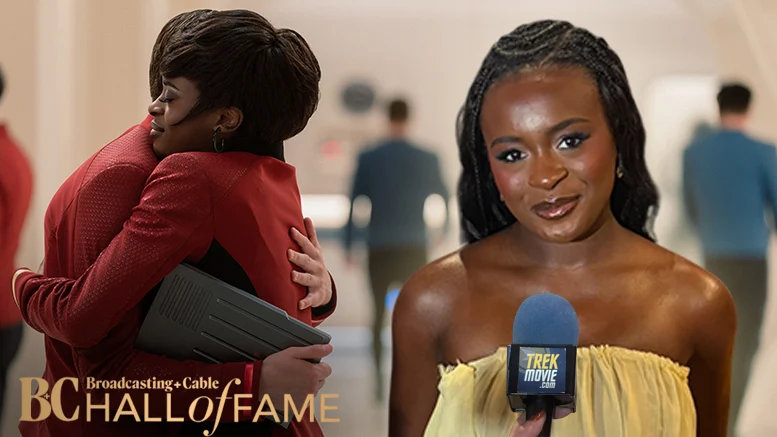
The Broadcast and Cable Hall of Fame recently achieved a historic milestone, bestowing the inaugural Franchise of the Year Award upon the Star Trek universe. This recognition serves as a testament to six decades of cultural influence, beginning with Gene Roddenberry’s original 1966 vision. Among the luminaries present to accept the honor were Kate Mulgrew, Wilson Cruz, and Celia Rose Gooding. Gooding, who portrays Lieutenant Nyota Uhura in the critically acclaimed Paramount+ series Star Trek: Strange New Worlds, utilized the occasion to discuss the evolution of her character, the creative philosophy behind the show’s genre-bending narratives, and the enduring legacy of one of science fiction’s most pivotal figures.
A Historic Milestone for a Cultural Phenomenon
The induction of Star Trek into the Broadcast and Cable Hall of Fame represents a departure from traditional honorees, shifting the focus toward a transmedia franchise that has fundamentally altered the landscape of television. Since the debut of The Original Series (TOS), the brand has expanded through numerous iterations, including The Next Generation, Deep Space Nine, Voyager, Enterprise, Discovery, and the current slate of streaming originals. By awarding the franchise as a collective entity, the committee acknowledged the consistent thematic commitment to "Infinite Diversity in Infinite Combinations" (IDIC), a core tenet that has guided the narrative arcs of over 900 episodes and multiple feature films.
Embodying an Icon: The Evolution of Uhura
For Celia Rose Gooding, the challenge of stepping into the role made famous by the late Nichelle Nichols has been a defining career experience. Throughout the four seasons of Strange New Worlds, Gooding has navigated the complexities of portraying a younger, more vulnerable iteration of the communications officer.
In a candid discussion during the event, Gooding elaborated on her approach to the character’s growth, particularly in the wake of the fourth season’s high-stakes finale. "My practice for embodying a Lieutenant Uhura that is recognizable to fans who have grown up with the franchise was about releasing the anxiety my Nyota has grappled with for seasons," Gooding explained. She noted that while her portrayal in Strange New Worlds remains tethered to a sense of perfectionism and internal pressure, she consciously pivoted toward the "playful, curious, and joyous" nature of Nichols’ iconic performance during critical moments in the finale.
This distinction is essential to the internal logic of the character’s development. Gooding posits that the younger Uhura is defined by her need for control and her desire to possess comprehensive knowledge, whereas the later, more seasoned version—the one familiar to TOS viewers—operates from a place of radical self-trust and spontaneity.

Navigating Creative Criticism and Genre Diversity
One of the primary talking points surrounding the fourth season of Strange New Worlds has been its experimentation with disparate genres, ranging from musical episodes to high-concept comedies and horror-adjacent narratives. While this creative freedom has been lauded by critics for revitalizing the procedural nature of the franchise, a segment of the fanbase has expressed concern regarding the perceived shift away from traditional, grounded science fiction storytelling.
Addressing these concerns, Gooding defended the show’s creative direction with a firm commitment to the franchise’s DNA. "If our show tried to appeal to the opinions of everyone, we would have really boring Trek," she stated. She emphasized that the show’s title—Strange New Worlds—is an explicit mandate to explore the unknown.
From an analytical perspective, this genre-diverse approach aligns with the historical precedent set by the original series. Episodes such as "The Trouble with Tribbles" or the high-stakes political drama of "Balance of Terror" illustrate that the franchise has always existed at the intersection of various storytelling modalities. Gooding argued that by embracing this diversity, the production team has successfully maintained the essence of what makes Star Trek a globally recognized brand: curiosity and the willingness to explore human nature through a multitude of lenses.
Production Timelines and the Status of Future Projects
The production schedule for Strange New Worlds has been a subject of intense speculation, particularly regarding the gap between the conclusion of season four and the anticipated start of the fifth season. Originally, the creative team had planned a three-year narrative interval between the two seasons. However, following the formal greenlighting of the fifth season, producers opted to shorten this window to ensure a more cohesive narrative flow between the two installments.
When questioned about the potential for the much-discussed "Year One" project—a prequel series focusing on the earliest days of Captain Pike’s tenure on the Enterprise—Gooding maintained a stance of optimism tempered by professional focus. While acknowledging that the project’s future remains uncertain, she expressed pride in the contributions made thus far. "Whatever happens with Year One, I’m just really proud of the work we’ve done so far," she remarked, highlighting that with six episodes remaining in the current production cycle, the primary goal remains the delivery of high-quality content.
The Personal Dimension: A Legacy Transmitted
Perhaps the most poignant aspect of Gooding’s reflection was the personal connection to her role. As someone who grew up with the legacy of Star Trek, the experience of bringing Uhura to life has been a bridge between generations. Gooding revealed that she shared an early screening of the season four finale with her mother, a lifelong fan of the franchise.

"For her to see me emulate a character that she fell in love with almost 60 years ago is an unparalleled gift," Gooding noted. This sentiment underscores the broader impact of the franchise: its ability to foster intimate, intergenerational connections that transcend the screen. For Gooding, the role is not merely a professional assignment but a stewardship of a cultural symbol that holds significant weight within Black entertainment and the broader science fiction canon.
Looking Toward the Horizon
As the Star Trek universe prepares for future developments, including the upcoming Starfleet Academy series, the role of legacy characters remains a focal point for both the studio and the audience. Gooding remains vocal about her desire to continue the journey of Nyota Uhura, should the opportunity arise.
"I hope that Uhura’s journey continues, whether that be on screen, in novels, or in any sort of continuation," she said. Her commitment reflects a broader trend in modern media where actors are increasingly becoming the guardians of the characters they portray, ensuring that legacy is treated with depth and respect. Whether through the lens of Strange New Worlds or future creative endeavors, the expectation is that the character will continue to evolve, reflecting the same "infinite diversity" that the franchise celebrates.
The induction of Star Trek into the Broadcast and Cable Hall of Fame serves as a formal recognition that the franchise is no longer just a television series; it is a vital component of the cultural infrastructure. As Celia Rose Gooding and her colleagues continue to navigate the final frontier, the balance between honoring the past and pushing the boundaries of the future remains the primary engine of the franchise’s enduring relevance. With the promise of more content to come and a dedicated cast committed to the core values of the series, Star Trek appears well-positioned to maintain its status as a foundational pillar of modern entertainment for years to come.
Related posts: