Hasbro’s Curated Tabletop Game Lineup Brings Spooky Season Strategy and Suspense to Households Nationwide

Halloween entertainment traditions are undergoing a steady shift as consumers increasingly look beyond passive viewing experiences, such as traditional horror movie marathons, in favor of active, participatory engagement. This evolution in seasonal leisure has prompted major toy and game manufacturers to develop products that merge holiday-themed atmospheric dread with strategic tabletop gameplay. Leading this charge is Hasbro, which has curated a specific selection of tabletop games tailored to foster friendly competition, tactical scheming, and immersive scares for the autumn months. Featuring iconic intellectual properties and fan-favorite mechanics, these titles aim to capture the spirit of Halloween through interactive social play.
The demand for tabletop gaming during seasonal holidays has risen significantly over the past decade, mirroring a broader cultural renaissance in board game popularity. Industry analysts note that consumers are increasingly investing in experiential entertainment that encourages face-to-face interaction during autumn gatherings, Halloween parties, and family game nights. By leveraging globally recognized entertainment franchises, manufacturers like Hasbro have been able to bridge the gap between pop culture fandom and traditional tabletop gaming, creating products that appeal equally to dedicated hobbyists and casual holiday celebrants.

Iconic Franchises Meet Tabletop Mechanics
At the center of Hasbro’s Halloween-focused offerings are games that adapt beloved cinematic and pop-culture universes into interactive formats. Among the highlighted titles in the seasonal collection is Monopoly: The Nightmare Before Christmas, which reimagines the classic real estate trading game through the lens of Tim Burton’s iconic stop-motion masterpiece. Players navigate the combined realms of Halloween Town and Christmas Town, buying, selling, and trading iconic locations from the film while utilizing custom-sculpted tokens representing favorite characters. This adaptation exemplifies a broader industry trend of skinning legacy board games with recognizable intellectual properties to drive seasonal retail engagement.
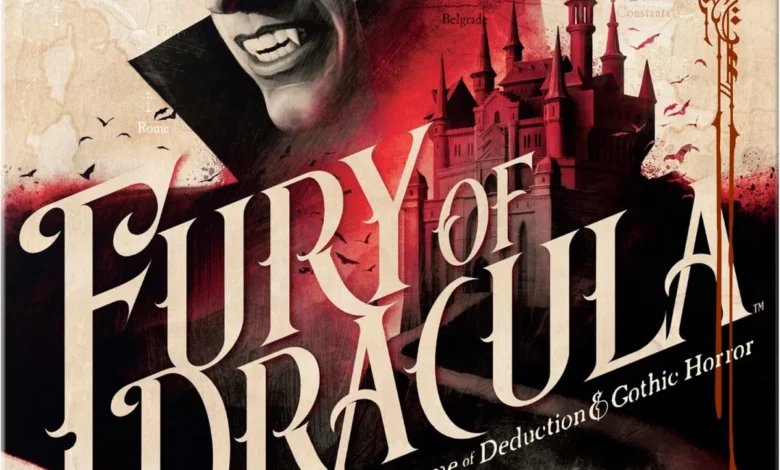
Complementing the lighter, franchise-driven fare are titles designed to deliver genuine suspense and tactical depth. The collection features Fury of Dracula, a Gothic deduction and combat game that pits a team of intrepid hunters against the ultimate vampire lord. Originally introduced to hobby gamers years ago and refined through subsequent editions distributed by Hasbro-affiliated partners, the game relies on hidden movement, bluffing, and resource management. Players tracking Dracula across 19th-century Europe experience a tense cat-and-mouse dynamic that aligns naturally with traditional ghost stories and monster lore associated with the October holiday.
Another prominent title in the lineup is Betrayal at House on the Hill, set within a classic horror trope: a spooky, dilapidated mansion where players explore shifting rooms until one of them turns traitor. With dozens of unique haunting scenarios available out of the box, the game offers high replayability and shifts dynamically from a cooperative exploration game into a desperate fight for survival. By integrating these immersive horror mechanics into structured game loops, Hasbro addresses the growing consumer appetite for narrative-driven tabletop experiences that evoke the feeling of playing through a horror anthology.

Rounding out the highlighted selections is Guillotine, a darkly humorous card game that tasks players with collecting the most valuable nobles during the French Revolution. While distinct from traditional supernatural horror, the game’s macabre premise and tongue-in-cheek execution provide a playful nod to historical morbidity, making it a popular choice for lighthearted Halloween gatherings where players enjoy outmaneuvering their peers for competitive advantage.
Market Context and the Evolution of Holiday Retail
The strategic positioning of tabletop games for Halloween represents a calculated diversification by toy and game manufacturers seeking to maximize seasonal revenue outside of the traditional winter holiday shopping window. Historically, the fourth quarter—spanning October through December—has accounted for the vast majority of toy industry sales, largely driven by Christmas and Hanukkah gift-giving. However, the cultural commercialization of Halloween has expanded rapidly, with adult consumers and families spending billions of dollars annually on costumes, decor, and themed entertainment.
Industry trade groups and retail researchers have observed that Halloween has effectively transformed into a major retail holiday second only to the winter winter-holiday season in terms of consumer spending on entertainment. Board games and tabletop activities have capitalized on this shift by offering households a reusable form of entertainment that can be integrated into annual traditions. Unlike single-use decorations or consumable treats, themed board games offer long-term utility, appealing to cost-conscious consumers looking for durable entertainment options amid fluctuating economic conditions.

Furthermore, the rise of specialty board game cafés, pop-up geek culture retail stores, and online enthusiast communities has elevated the visibility of tabletop gaming as a mainstream social activity. When manufacturers release holiday-themed variants of popular titles, they benefit from pre-existing brand loyalty while capturing the attention of impulse buyers browsing for seasonal party supplies.
Industry Implications and Consumer Impact
The continued expansion of themed tabletop products highlights a broader shift in how media franchises are monetized. Rather than relying solely on screen-based media, entertainment conglomerates utilize physical merchandise to deepen consumer engagement and sustain long-term interest in core intellectual properties. For Hasbro, integrating recognizable properties like The Nightmare Before Christmas and horror-adjacent mechanics into its product portfolio reinforces its competitive standing in the multi-billion-dollar global board game market.
Market analysts suggest that the success of these seasonal offerings depends heavily on a balance between accessible rules for casual players and sufficient strategic depth to satisfy experienced hobbyists. Games that successfully bridge this gap often enjoy strong secondary market performance and sustained retail presence year after year, establishing themselves as staples of household holiday traditions.

As consumer preferences continue to trend toward shared, screen-free social experiences, manufacturers are expected to further diversify their seasonal product lines. Whether through cooperative horror survival games, strategic deduction titles, or pop-culture reskins of timeless classics, the tabletop industry has firmly cemented its role in modern holiday celebrations. Hasbro’s curated Halloween selection underscores this ongoing evolution, proving that a deck of cards, a customized game board, and a touch of friendly rivalry can offer an alternative to traditional seasonal entertainment.