The Killer Sheep Are Back: Umbrella Entertainment Releases Official Trailer for Jonathan King’s Anticipated Horror-Comedy Sequel Black Sheeps

Two decades after a tranquil New Zealand sheep station was transformed into a slaughterhouse by genetically modified livestock, the woolly agents of terror are officially returning to the silver screen. Umbrella Entertainment has unveiled the first official trailer for Black Sheeps, the long-awaited follow-up to the 2006 cult horror-comedy classic Black Sheep. Directed once again by Jonathan King, the sequel promises to deliver the same blend of dark humor, visceral practical effects, and high-stakes zoonotic horror that cemented the original film in the hearts of genre enthusiasts worldwide.
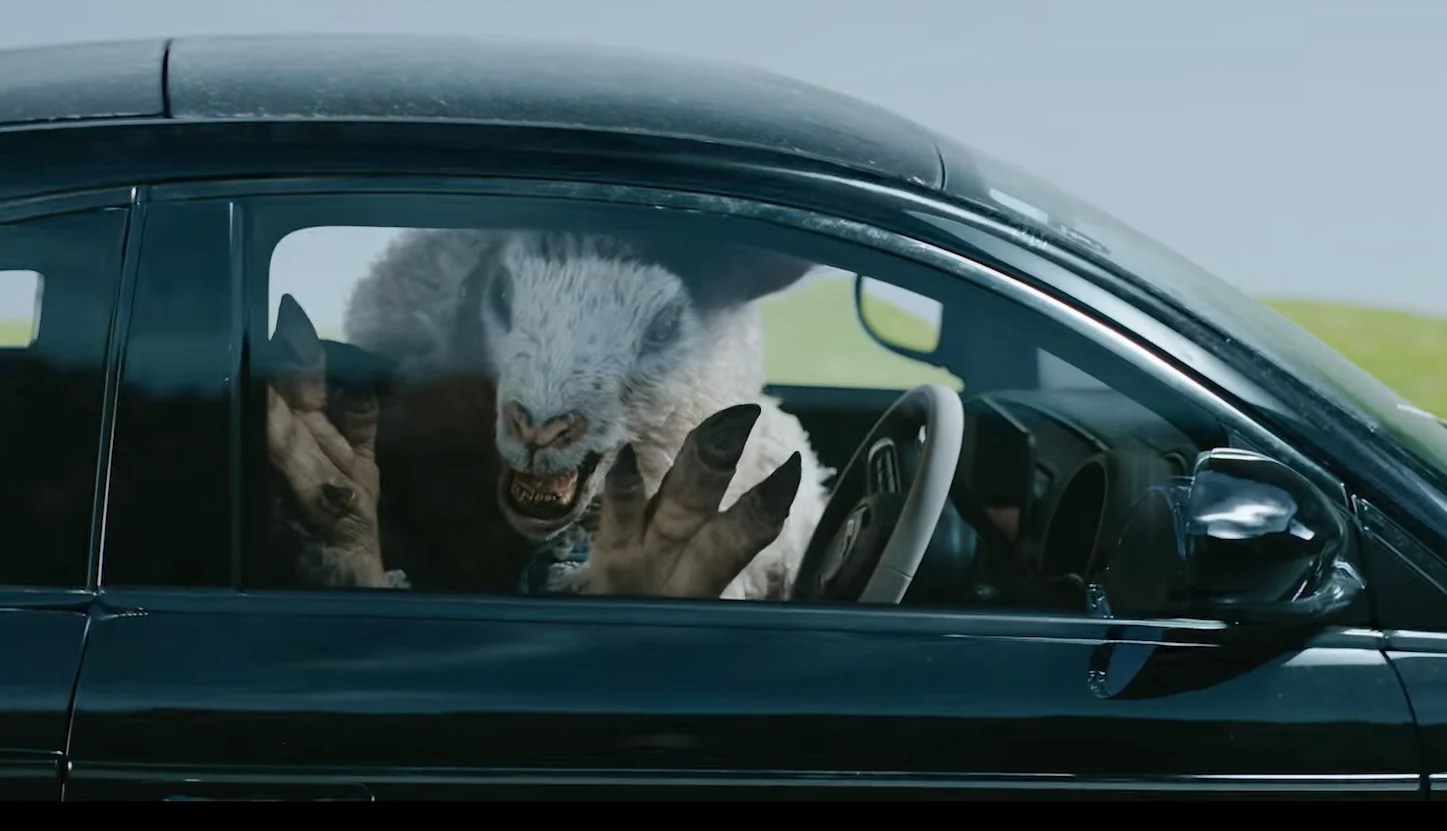
The rollout of the promotional trailer marks the beginning of an intensive global marketing campaign, culminating in a high-profile world premiere at the Sitges Film Festival in October, followed swiftly by a theatrical release across New Zealand on November 12. As horror fans dissect every frame of the newly released footage, anticipation is mounting over how the franchise will reinvent its unique brand of ovine menace for a modern audience.
A Return to Practical Terror: The Craftsmanship of Wētā Workshop
One of the most celebrated announcements surrounding Black Sheeps is the reunion of the creative forces that brought the original flock to life. Wētā Workshop, the legendary New Zealand-based special effects and prop house renowned for its work on blockbuster franchises like The Lord of the Rings and District 9, has returned to handle the physical creature effects for the sequel.

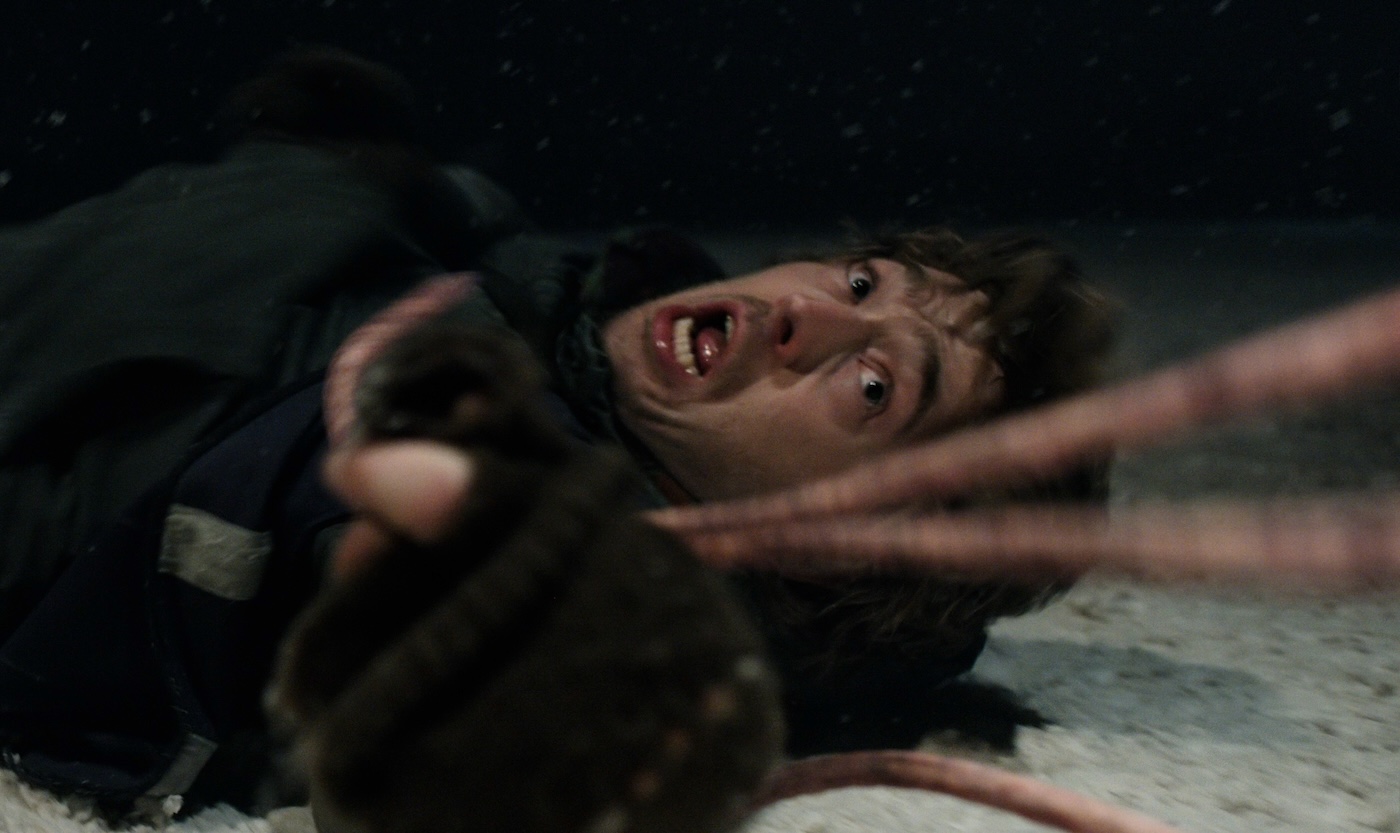
In an era dominated by computer-generated imagery, the decision by writer-director Jonathan King and Umbrella Entertainment to rely on practical effects has been met with widespread acclaim from film critics and horror purists alike. Instead of opting for digital replacements, Wētā Workshop’s artisans have constructed an entirely new array of custom suits, intricate animatronics, and detailed prosthetics. This commitment to tangible, in-camera effects ensures that the mutated sheep retain their tactile, grotesque realism, honoring the aesthetic legacy of the 2006 original while pushing the boundaries of creature design further into the macabre.
The physical nature of the production required rigorous choreography between the human cast and the puppeteers operating the animatronic sheep. Industry insiders note that this tangible approach frequently enhances performances, allowing actors to react to physical threats on set rather than staring at green screens. The result is a visceral cinematic experience that bridges the gap between classic practical monster movies and contemporary horror sensibilities.

Familiar Faces and New Blood in the Cast
The narrative continuity of Black Sheeps is anchored by the return of Nathan Meister, who reprises his role as Henry Oldfield, the series’ perpetually traumatized and sheep-fearing protagonist. Meister’s performance in the original film as the reluctant hero caught in the middle of an agricultural apocalypse became a staple of 2000s horror-comedy lore. His return offers a narrative anchor for fans invested in the ongoing mythos of the outbreak.
Joining Meister is an ensemble cast featuring Tabatha Killick, Lucia Davison, Joseph Witkowski, Ian Harcourt, Heather O’Carroll, Paul Waggott, and Renaye Tamati. While specific character details remain tightly guarded by the production team, promotional materials indicate that the new ensemble will comprise a mix of intrepid scientists, skeptical locals, and unwitting collateral damage as the contagion spreads beyond its original containment zone.

The plot kicks into motion when a young, ambitious scientist becomes convinced that a dangerous and rapidly evolving new pathogen is quietly circulating through the agricultural sector. Her independent investigation into the origin of the outbreak leads her inexorably back to the remote, windswept sheep station where the original disaster took place twenty years prior. For anyone familiar with the bio-ethical catastrophes of the first film, returning to Ground Zero is precisely the kind of ill-advised scientific pilgrimage destined to trigger a biological cascade.
Chronology and Production Timeline
The path to Black Sheeps has been a long and deliberate journey for director Jonathan King, who spent years evaluating whether a sequel could match or exceed the cultural footprint of the original film.

- 2006: The original Black Sheep premieres, achieving international cult status, winning multiple festival awards, and grossing respectable figures worldwide following its distribution by IFC Films in the United States and Umbrella Entertainment internationally.
- 2010s–Early 2020s: Fans routinely speculate about a potential follow-up, though King pursues other creative projects while keeping the concept of the mutated flock alive in discussions with producers.
- Late 2025 / Early 2026: Pre-production officially ramps up with the confirmation that Umbrella Entertainment is backing the project, securing Wētā Workshop to spearhead practical creature design.
- September 2026: Umbrella Entertainment drops the first official trailer, sparking international media coverage and confirming a world premiere slot.
- October 2026: Black Sheeps is scheduled to make its official world premiere at the prestigious Sitges Film Festival in Spain, a premier global showcase for genre cinema.
- November 12, 2026: The film is slated for a broad theatrical release across New Zealand.
As of press time, no official North American or international distribution agreements outside of New Zealand and the festival circuit have been formally finalized. Given that IFC Films managed the theatrical and home video rollout for the 2006 original in the United States, industry analysts are closely watching to see which studio will acquire domestic rights for the sequel.
Industry Implications and the Resurgence of Practical Horror-Comedy
The arrival of Black Sheeps arrives at a unique cultural crossroads for independent horror cinema. Over the past several years, audiences have demonstrated a growing fatigue with sterile, overly sanitized CGI spectacles, fueling a significant box-office and critical resurgence for practical effects, creature features, and self-aware genre parodies.
By leaning into the absurdity of killer livestock while maintaining a high level of technical craftsmanship, Black Sheeps positions itself to capitalize on this nostalgia-driven yet forward-thinking market. The film highlights the enduring viability of New Zealand cinema on the global stage, a tradition pioneered by filmmakers like Peter Jackson and sustained by directors like Jonathan King who masterfully balance high-concept terror with deadpan Antipodean humor.
Furthermore, the economic and cultural impact of the sequel extends to the local New Zealand film infrastructure. Utilizing Wētā Workshop ensures that top-tier talent remains anchored within the domestic industry, fostering mentorship and technological advancements in practical creature design that benefit future generations of filmmakers.
Awaiting the Verdict: Festival Debut and Beyond
As the October premiere at the Sitges Film Festival approaches, anticipation among horror critics and festival-goers is palpable. Early reactions to the trailer suggest that King has retained the reckless energy and visual audacity that made the original film a midnight-movie staple.
Whether Black Sheeps can successfully capture lightning in a bottle a second time remains to be seen, but the ingredients are firmly in place. With Wētā Workshop’s mechanical monstrosities unleashed, Nathan Meister facing his lifelong phobia once more, and a fresh biological threat looming over the pastoral landscape, the cinematic world is bracing itself for another round of cinematic carnage. Audiences in New Zealand will be the first to face the flock when the film opens nationwide on November 12, while international fans wait anxiously for news of a broader global release.