Control Resonant: An In-Depth Look at the Next Evolution of the Remedy Connected Universe


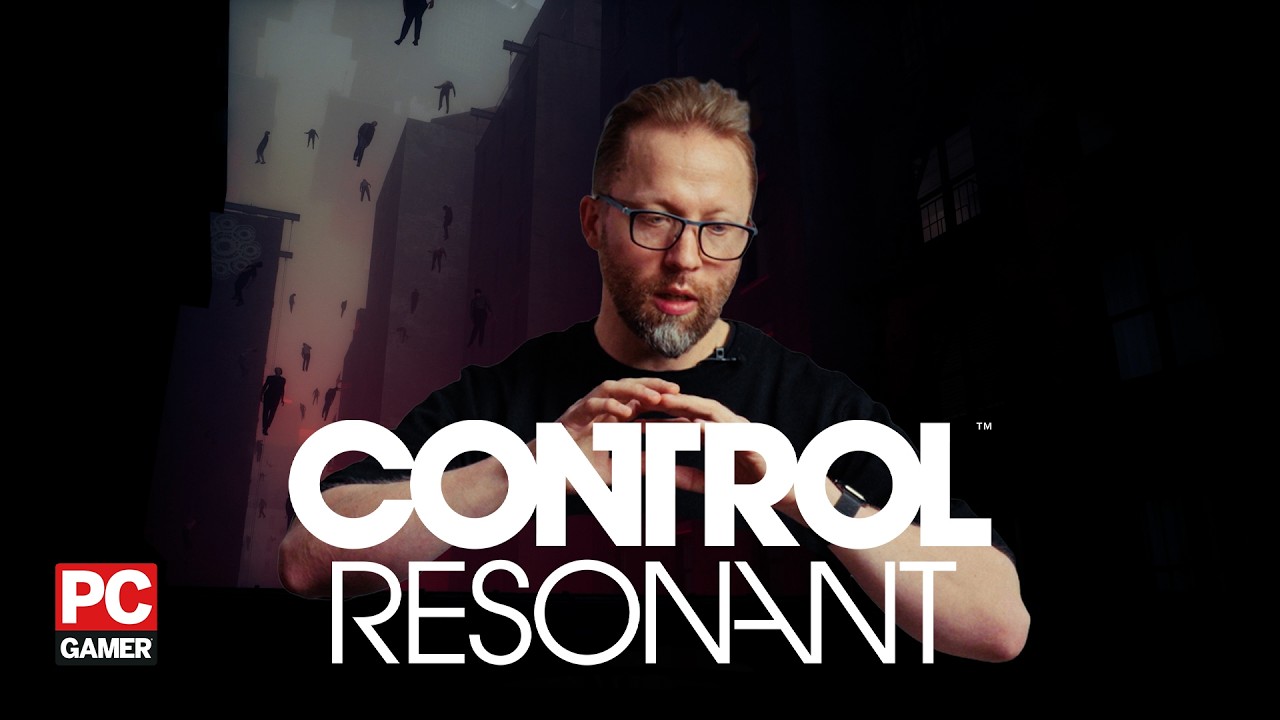
The Finnish game development powerhouse Remedy Entertainment has officially pulled back the curtain on its highly anticipated sequel to the 2019 supernatural hit, Control. Titled Control Resonant, the upcoming action-RPG shifts the narrative focus from Jesse Faden’s tenure at the Federal Bureau of Control (FBC) to her brother, Dylan Faden. Following an exclusive developer interview conducted by the PC Gaming Show team, the full scope of the game’s mechanics, artistic inspiration, and narrative direction has been unveiled, signaling a significant evolution for the studio’s internal "Remedy Connected Universe."
The game is scheduled for a worldwide release on September 24, with pre-orders currently active on the Steam platform. This launch follows a period of intense secrecy surrounding the project, which was first teased to the public during the June edition of the PC Gaming Show.
A Narrative Shift: From Oldest House to the Streets of Manhattan
Control Resonant picks up shortly after the conclusion of the original title. Dylan Faden, whose history is defined by his traumatic incarceration in the Oldest House and his subsequent possession by the interdimensional Hiss, emerges from a coma to find that his reality has fundamentally fractured. While the original game was confined largely to the shifting, brutalist architecture of the FBC headquarters, Resonant expands the scope significantly.
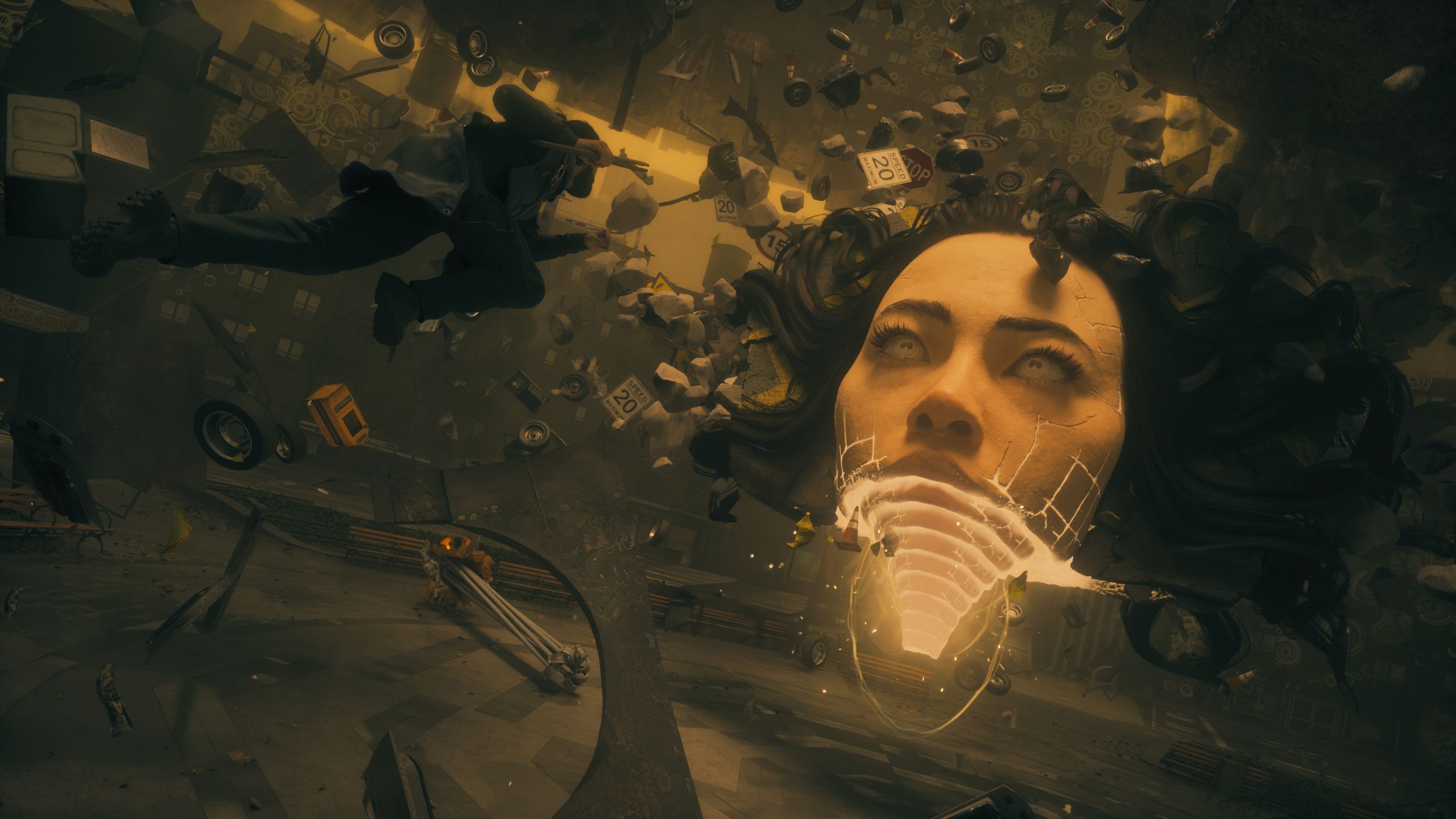
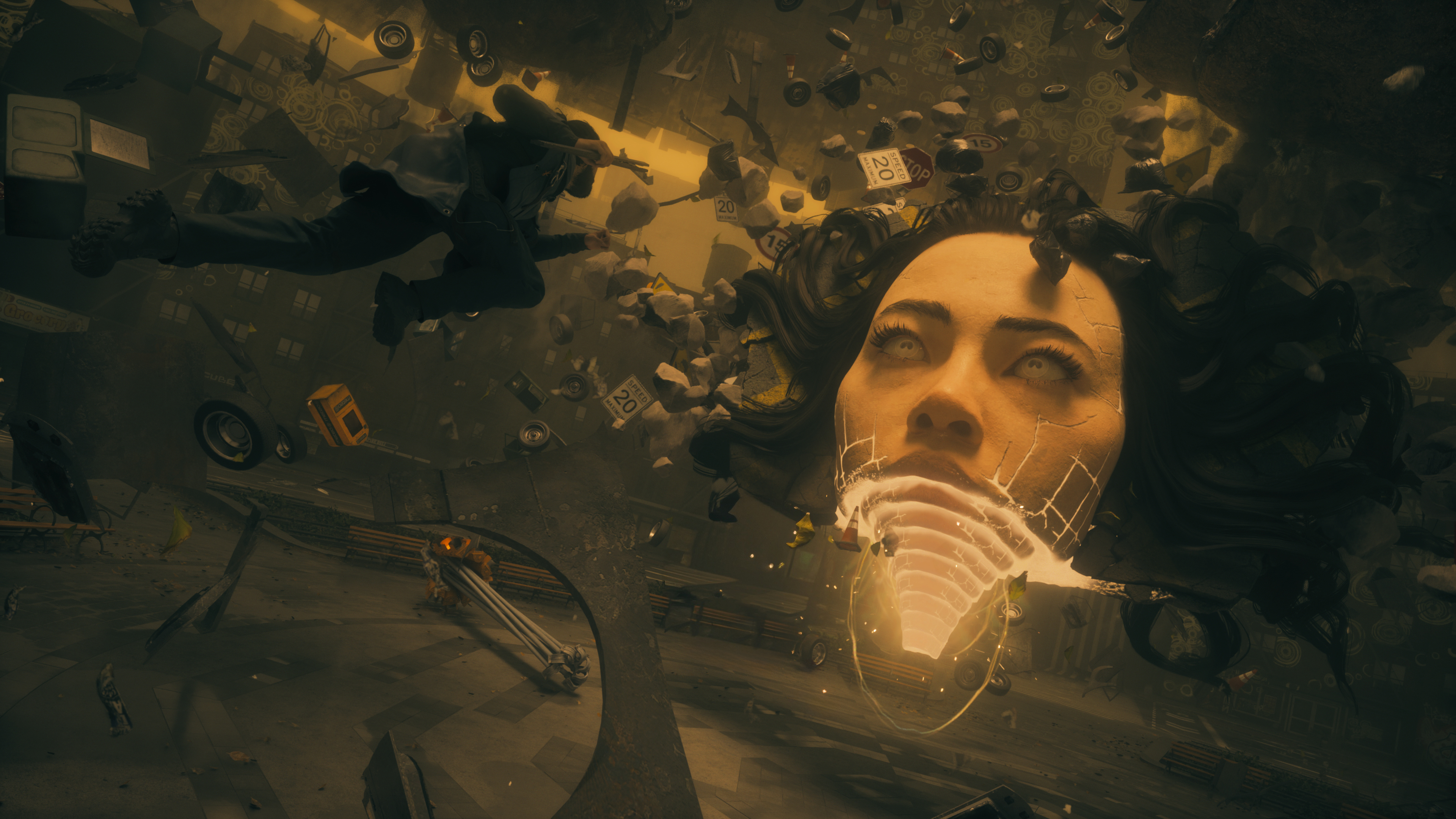
The Hiss—the antagonistic, resonance-based force that defined the first game—have breached the containment of the Oldest House and infiltrated the streets of Manhattan. However, they are not the only threat. The island of New York is simultaneously grappling with a new, esoteric phenomenon known as "The Patterning." This otherworldly force is distorting physics, biological structures, and the perception of time itself. For players, this manifests as a city in perpetual flux, where gravity is subjective and the environment serves as a volatile participant in combat.
The Artistic and Technical Foundations
Remedy’s approach to the aesthetic of Control Resonant represents a departure from traditional industry trends. Rather than drawing inspiration from existing video games, the development team looked to 20th-century surrealism and experimental cinema. Specifically, the team cited the tessellated, impossible geometry of Dutch artist M.C. Escher as a primary influence for the game’s environment design.
Cinematic influences include the British folk-horror film A Field in England and the anime masterpiece Paprika, both of which are renowned for their psychological intensity and fluid reality. Art director Elmeri Raitanen noted that this choice was intentional, aimed at avoiding the homogenization often seen in modern AAA titles. "There’s this tendency of people not taking risks, and games start to resemble each other quite a lot," Raitanen stated, highlighting a studio philosophy that prioritizes creative friction over market-tested safety.
Mechanical Innovation and Open-World Structure
Unlike its predecessor, which utilized a more linear, Metroidvania-inspired progression, Control Resonant adopts a more expansive, open-world structure. This transition necessitated a shift in how players interact with the game’s progression systems. Lead level designer Anne-Marie Grönroos explained that the game’s "Resonants"—boss-level entities mutated by the Patterning—are not strictly mandatory encounters.
This design choice creates a high degree of variability in the player experience. Because players can choose which Resonants to confront and in what order, they can customize their ability loadouts in ways the developers cannot entirely predict. During internal testing, the team observed playtesters navigating the environment with wildly different power sets, leading to unpredictable traversal and combat outcomes. For example, the ability to manipulate gravity—allowing players to navigate walls and ceilings as if they were floors—can be acquired at varying stages of the game, fundamentally changing how the player traverses the city.
Sound Design and the Mathematics of Terror
A unique feature of Control Resonant is its emphasis on sound as a narrative tool. Composer Petri Alanko, tasked with crafting the game’s auditory landscape, utilized mathematical principles to create a sense of unease. For the "Dancer" Resonant, an enemy whose movements were motion-captured from professional dancers, Alanko developed a rhythm based on the Fibonacci sequence. This creates a musical structure that feels organic yet deeply unsettling, as the rhythmic pulses accelerate according to the mathematical growth pattern.
Furthermore, the sound design for the protagonist, Dylan, evolves alongside his character development. In the early stages of the game, Dylan’s auditory profile is constructed from simple, pure sine waves, representing his state of rebirth and vulnerability. As the player upgrades his abilities and he matures as a survivor of the Hiss, the soundscapes become increasingly complex, incorporating multi-layered textures and tonal shifts to mirror his growing power and sophistication.
Industry Implications and the Remedy Connected Universe
The release of Control Resonant is a critical moment for Remedy Entertainment as it attempts to solidify its long-term strategy of building a "Connected Universe." Creative Director Mikael Kasurinen has been vocal about his desire to move beyond the tropes of traditional franchise storytelling. By taking inspiration from tabletop role-playing games (TTRPGs), the team aims to create a world where rules are established, but perspectives are diverse.
This strategy effectively positions the Remedy brand to compete with larger, legacy franchises without becoming tethered to a singular protagonist or family lineage. By shifting the perspective to Dylan Faden, Remedy is demonstrating that their world is a living, breathing entity that can support multiple narrative arcs simultaneously.
Chronology of the Project
- May 2024: The PC Gaming Show team visits Remedy’s headquarters in Finland for a series of exclusive interviews and behind-the-scenes access.
- June 2024: A teaser snippet of the interviews is released during the PC Gaming Show, confirming the existence of the sequel.
- September 20, 2026: The PC Gaming Show: Tokyo Direct is scheduled to air, likely providing final promotional updates.
- September 24, 2026: Official global launch of Control Resonant on Steam.
Analysis: Why This Matters for the Genre
The market for high-budget, narrative-driven action games has become increasingly competitive. Remedy’s decision to lean into surrealism and non-linear progression is a calculated risk. By allowing players to bypass certain bosses and approach the environment with varying toolkits, they are effectively creating a high-replayability loop that is rare in the genre.
Furthermore, the commitment to using unconventional artistic sources—such as Fibonacci-based music and Escher-inspired environments—suggests that Remedy is aiming to capture the "prestige" gaming market. If the game succeeds, it will likely serve as a blueprint for how developers can maintain a consistent, recognizable "house style" while avoiding the fatigue that often sets in with long-running series.
As of the current reporting, the industry reaction to the announcement has been largely positive, with analysts pointing to the strong brand equity of the original 2019 Control as a primary driver for initial sales. Whether Control Resonant can maintain the critical acclaim of its predecessor remains to be seen, but the focus on player agency and unique atmospheric design provides a strong foundation for the title’s commercial and critical performance.
For those looking to engage with the title immediately upon release, the pre-order options on Steam have been live for several weeks, indicating a high level of consumer confidence in the project. As the September 24 launch date approaches, the gaming community remains attentive to further, final disclosures regarding the system requirements and any potential post-launch roadmap for the title.