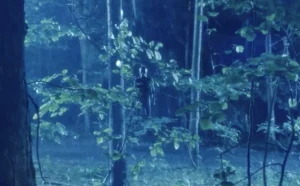
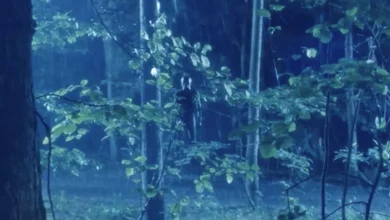
Unearthing the True History: Maya Annik Bedward’s Black Zombie Explores the Real Roots of Pop Culture’s Most Enduring Monster

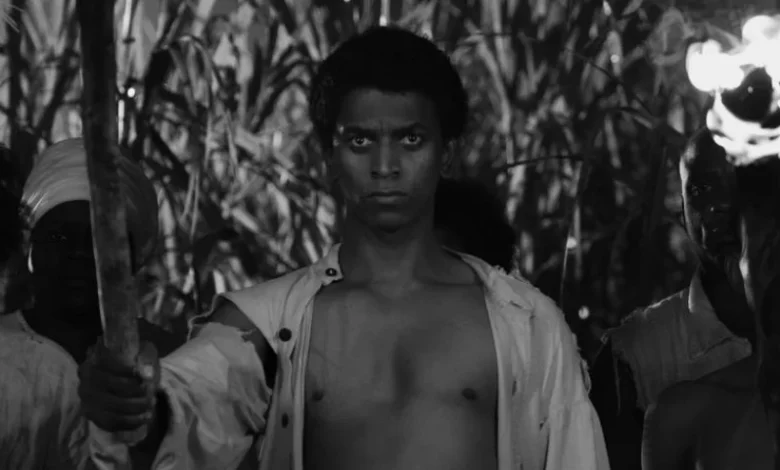
Long before modern cinema popularized flesh-eating ghouls stumbling through post-apocalyptic landscapes, the cinematic and cultural figure of the zombie held a vastly different, deeply harrowing meaning rooted in the horrors of transatlantic chattel slavery. In her critically acclaimed and deeply informative new documentary, Black Zombie, filmmaker Maya Annik Bedward embarks on a vital cultural reckoning. The film traces the evolution of the zombie from its origins in colonial Haiti to its contemporary commercialization in Hollywood, challenging mainstream audiences to rethink a monster they thought they knew. As the documentary officially launches its theatrical run, it invites horror enthusiasts and history buffs alike to confront how a potent symbol of stolen human agency and colonial resistance was transformed into a cheap, profitable thrill.
Main Facts of the Documentary Release
Black Zombie serves as both an educational masterclass and an engaging cinematic journey through the socio-political history of Caribbean folklore. Eschewing the standard blood-and-guts tropes typical of the genre, Bedward’s documentary digs deep beneath the surface of modern horror spectacles. The film highlights the stark contrast between the traditional Haitian zombie—a living metaphor for forced labor, the ultimate victim of colonial subjugation, and a manifestation of profound trauma—and the shuffling, brain-hungry modern ghoul that dominates contemporary box offices.
By centering Haitian culture, history, and spirituality, the documentary details how rich Black spiritual traditions were systematically distorted, sensationalized, and ultimately erased by Western media. To construct this expansive narrative, Bedward weaves together rare archival footage, observational cinéma vérité scenes, and compelling interviews with cultural historians, esteemed artists, and genre legends. Among the notable figures lending their expertise to the project are Yves-Grégory Francois, Mambo Labelle Déesse, iconic musician Slash, legendary special makeup effects artist Tom Savini, and filmmaker Zandashé Brown.
The Chronology of the Zombie: From Colonial Haiti to Hollywood
To fully understand the thesis of Black Zombie, one must examine the historical timeline of how the folklore evolved over centuries. The cinematic and cultural trajectory of the zombie can be broken down into distinct historical epochs:
Pre-Colonial and Colonial Eras (Pre-19th Century): The concept of the zombie originates in the spiritual traditions brought to Haiti by enslaved West Africans, drawing heavily on Vodou practices. In this context, the zombie was not a reanimated corpse rising from a grave to feast on the living, but rather a tragic figure trapped in a state of suspended animation—a metaphorical representation of losing one’s free will entirely under the brutal conditions of plantation slavery.
The Occupation of Haiti and Western Discovery (1915–1932): The United States military occupation of Haiti (1915–1934) exposed American marines and journalists to local folklore. Travelogues and sensationalized books, such as William Seabrook’s 1929 publication The Magic Island, introduced the concept of the zombie to the American public, stripping it of its complex socio-political context and framing it as exotic, primitive magic.
The Golden Age of Cinematic Monsters (1932–1960s): Hollywood quickly seized upon these exoticized accounts. The release of White Zombie (1932), starring Bela Lugosi, marked the cinematic birth of the monster. During this era, movie zombies remained largely faithful to their Haitian roots—slaves controlled by a master’s sorcery—rather than flesh-eating monsters.
The George Romero Revolution (1968–Present): The modern conception of the zombie was permanently altered with the release of George A. Romero’s Night of the Living Dead (1968). Although Romero never explicitly used the word "zombie" in the film (referring to them instead as ghouls), his work fused the Haitian concept of the walking dead with Cold War paranoia, nuclear anxieties, and consumerism. Subsequent decades saw a massive proliferation of flesh-eaters in films like The Serpent and the Rainbow (1988), television shows like The Walking Dead, and endless video games, completely eclipsing the creature’s original historical significance.
Supporting Data and Cultural Context
The release of Black Zombie arrives at a crucial juncture in modern media analysis, where audiences and creators are increasingly demanding historical accuracy and cultural accountability in storytelling. For decades, the horror genre has functioned as a mirror for societal fears, yet the genre has historically struggled with the appropriation of non-Western folklore.
According to historical and cultural data compiled by film historians, early Hollywood depictions of Haitian Vodou and zombie folklore contributed significantly to xenophobic stereotypes. By recasting a symbol born from resistance against French colonial rule into an object of fear and backwardness, Western cinema effectively sanitized the realities of colonial exploitation. Bedward’s documentary provides vital quantitative and qualitative context, utilizing academic research and expert testimony to correct historical inaccuracies perpetuated by a century of cinema.
Official Statements and Creative Insights
Ahead of the film’s theatrical rollout, director Maya Annik Bedward offered profound insights into the motivations behind the project. In statements detailing the core message of Black Zombie, Bedward emphasized the necessity of reclaiming the narrative surrounding the monster:
"BLACK ZOMBIE digs beneath the blood-soaked spectacle of modern horror to uncover the zombie’s buried and unsettling origins," Bedward explained. "Long before it became associated with flesh-eating ghouls, the zombie was a living metaphor for slavery: not a monster, but the ultimate victim of colonial power. A symbol of stolen agency was recast as an object of fear, while Black spiritual traditions were distorted, sensationalized, and erased."
By featuring a diverse array of voices—ranging from academic historians like Yves-Grégory Francois and spiritual leaders like Mambo Labelle Déesse to pop culture icons such as Guns N’ Roses guitarist Slash and effects master Tom Savini—the documentary bridges the gap between high-minded cultural critique and accessible horror fandom. Slash and Savini provide unique perspectives from within the entertainment industry, acknowledging how horror creators have historically borrowed from global folklore without fully understanding or respecting its origins. Meanwhile, artists like Zandashé Brown help contextualize what it means for contemporary Black filmmakers to engage with and reclaim the horror genre.
Broader Impact and Industry Implications
The implications of Black Zombie extend far beyond the parameters of a standard film review or a niche documentary release. As the global entertainment industry undergoes a broad reassessment of representation, cultural appropriation, and historical revisionism, works like Bedward’s film play an instrumental role in educating the public.
For horror fans, who have long celebrated the zombie as a staple of cinematic escapism, the documentary offers a sobering yet fascinating challenge. It asks viewers to reconcile their love for the genre with an awareness of the real human suffering that birthed the myth. By shedding light on the historical reality of chattel slavery and colonial domination in Haiti, Black Zombie ensures that the true victims of history are no longer rendered invisible by cinematic spectacle.
As the film continues its theatrical run, accompanied by promotional interviews, teaser trailers, and deep-dive discussions online, it is poised to spark important conversations among cinephiles, historians, and cultural critics alike. Black Zombie successfully proves that true horror is often rooted not in supernatural fiction, but in the historical realities of oppression—and that true power lies in the reclamation of one’s own history.