Castles in the Air Roleplaying Game Explores Coming-of-Age Narratives Through Gilded Age Collaborative Storytelling

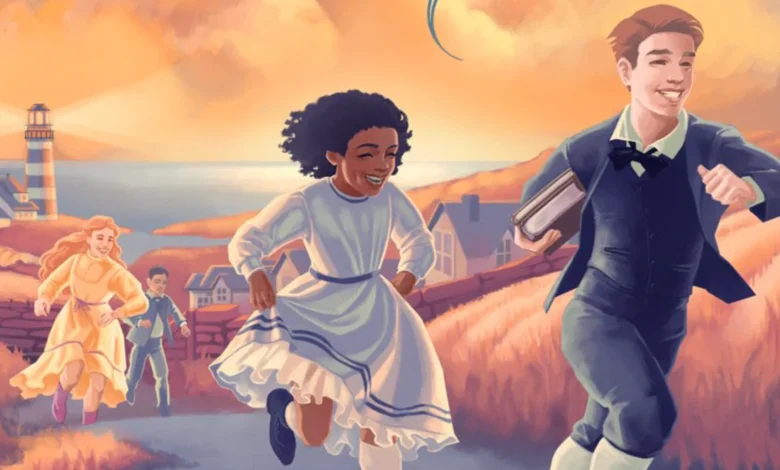
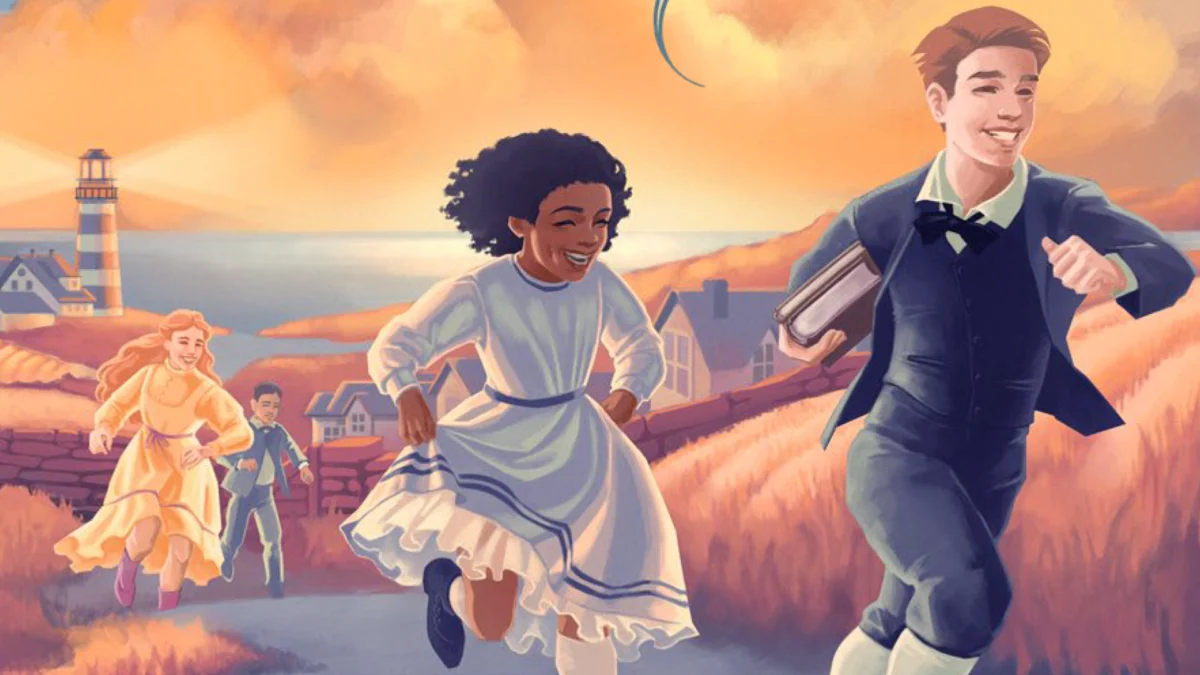
Castles in the Air represents a significant evolution in the niche market of literary-inspired tabletop roleplaying games (TTRPGs), offering players a structured framework to inhabit and evolve through a historical coming-of-age narrative. Developed by Storybrewers Roleplaying, the game draws its primary inspiration from the enduring works of 19th-century literature, specifically Louisa May Alcott’s Little Women and Lucy Maud Montgomery’s Anne of Green Gables. By situating its mechanics within the American Gilded Age—a period spanning the 1870s to the 1890s—the game provides a backdrop of rapid industrialization and shifting social norms, allowing players to navigate the transition from childhood innocence to the complexities of adult life.
Historical Context and Literary Foundations
The thematic core of Castles in the Air is rooted in the "domestic realism" of the late 19th century. The Gilded Age, a term coined by Mark Twain, was characterized by a glittering surface of economic prosperity that often masked deep social conflicts and economic inequality. For the characters in this game, however, the focus is often on the "castles in the air"—the lofty dreams and idealistic visions of the future that defined the youth of that era.
The game specifically references the cultural impact of its source material’s modern adaptations. Greta Gerwig’s 2019 film version of Little Women, which featured a high-profile cast including Saoirse Ronan and Timothée Chalamet, revitalized interest in the nuances of sisterhood and artistic ambition. Similarly, the 2017 Netflix series Anne with an E brought a grittier, more psychological lens to Montgomery’s classic tale of an imaginative orphan in Prince Edward Island. Castles in the Air seeks to capture this blend of whimsy and emotional weight, providing a mechanical path for players to experience similar character arcs.
Narrative Mechanics and Gameplay Structure
Unlike traditional "dungeon-crawling" roleplaying games that prioritize combat and resource management, Castles in the Air is a collaborative storytelling experience. The gameplay is divided into distinct chronological phases, mirroring the natural progression of human development.
The Childhood Phase: Wonder and Expectation
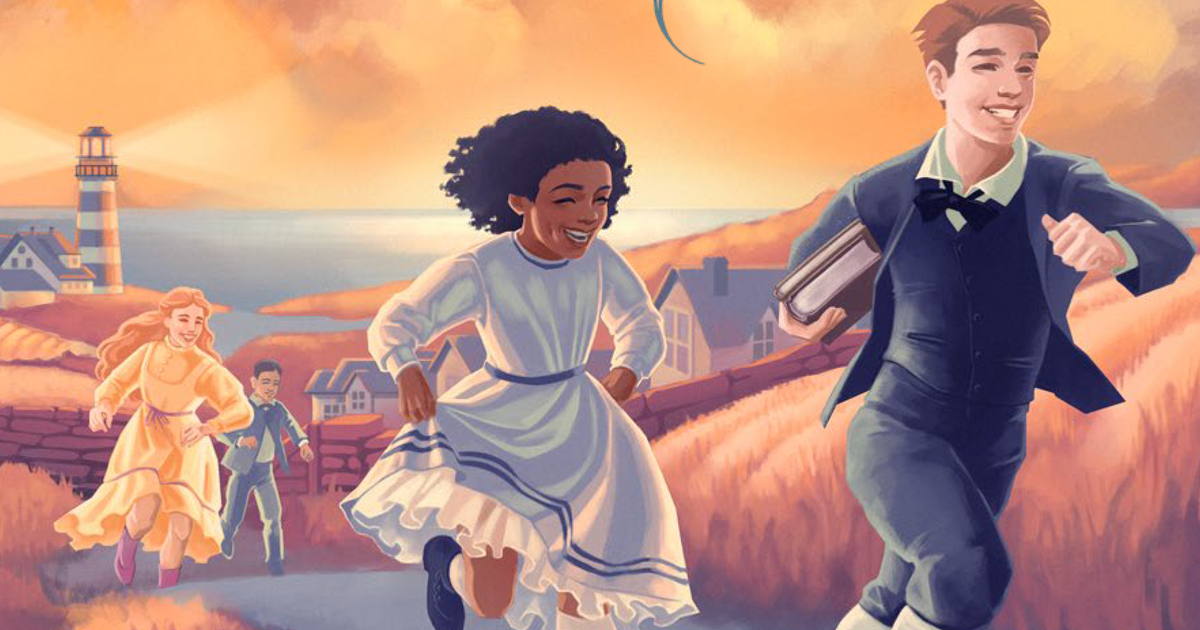
In the initial stages of the game, players control a tight-knit group of children. The setting is typically rural or semi-rural, reflecting the environments of the Gilded Age’s burgeoning middle class or agrarian communities. During this phase, the mechanics emphasize exploration and shared experiences. Players engage in activities such as swimming in local lakes, stargazing, and navigating the social hierarchies of a small town.
The primary objective during the childhood phase is the establishment of "Great Expectations." These are the dreams that characters hold for their adult lives—be it becoming a famous writer, traveling the world, or finding a "kindred spirit." This phase builds the emotional foundation of the group, establishing bonds that will either strengthen or fray as the story progresses.
The Adolescent and Adult Phases: Conflict and Resolution
As the narrative moves forward in time, the game introduces more complex social mechanics. Characters begin to experience the "joys and hardships" of maturation. This includes the development of romantic interests, the formation of "bosom enemies" (a term popularized by Anne Shirley), and the pressure of societal expectations.
The game’s design acknowledges that growing up often involves drifting apart. While the characters begin as an inseparable unit, the adult phase of the game explores the reality of different life paths. Some characters may achieve their "castles in the air," while others may find contentment in unexpected places or face the bitterness of unfulfilled potential. The game often concludes with a reunion, allowing players to reflect on their shared history and the people they have become.
Character Roles and Archetypes
Castles in the Air utilizes a system of archetypes that allow players to quickly inhabit the tropes of 19th-century literature while leaving room for personal customization. These roles include:
- The Troublesome Scamp: A character defined by energy and a penchant for mischief, often masking a deep-seated need for belonging.
- The Studious Bookworm: A character who seeks escape and knowledge through literature, often possessing grander ambitions than their social standing might suggest.
- The Spoiled Princess: A character grappling with the comforts and constraints of wealth, often learning lessons in empathy and self-reliance.
To these roles, players add layers of family background, specific childhood relationships, and a "dream" that serves as their North Star. The inclusion of a "bosom enemy" mechanic ensures that interpersonal drama is baked into the narrative, preventing the story from becoming overly sentimental and providing necessary friction for character growth.
Creative Development and Pedigree
The game was designed and written by Melia Carraway, with significant contributions from Vee Hendro and Hayley Gordon. Hendro and Gordon are the co-founders of Storybrewers Roleplaying and are well-known in the TTRPG community for their previous success, Good Society: A Jane Austen Roleplaying Game.
The success of Good Society established Storybrewers as leaders in the "literary RPG" space. That game was praised for its ability to simulate the social maneuvering, reputation management, and epistolary traditions of Regency-era England. With Castles in the Air, the team applies a similar level of mechanical rigor to the coming-of-age genre, moving the clock forward to the Gilded Age and focusing more on long-term character evolution rather than immediate social standing.
Crowdfunding and Market Trends
The production of Castles in the Air is being funded through a campaign on Kickstarter, which is scheduled to run until June 9. As of the current reporting, the campaign offers several tiers for backers:

- Digital Tier: For AU$ 34 (approximately £18 or $26), backers receive a digital version of the game.
- Physical Tier: For AU$ 99 (approximately £52 or $77), backers receive a physical copy of the game.
The projected delivery date for the game is March 2025. This timeline accounts for the finalization of artwork, playtesting, and the logistical challenges of physical production and international shipping.
The game’s entry into the market reflects a broader trend in the tabletop industry: the rise of "cozy" or "emotional" gaming. While the industry was once dominated by high-fantasy combat, there is a growing demand for games that prioritize internal character development and interpersonal relationships. This shift is partly attributed to the diversifying demographic of TTRPG players, who seek experiences that resonate with their own life transitions and interests in historical fiction.
Analysis of Implications
The release of Castles in the Air has several implications for the TTRPG landscape. First, it reinforces the viability of historical settings outside of the traditional medieval or Victorian-gothic tropes. The Gilded Age, with its specific American context of rapid change, offers a fresh palette for storytellers.
Second, the game’s focus on a "lifetime" narrative—moving from childhood to adulthood—is a departure from the "eternal present" of many RPG campaigns where characters gain power but rarely age or change fundamentally as people. By forcing players to confront the passage of time, Castles in the Air introduces a level of poignancy and finality that is rare in the medium.
Finally, the collaborative nature of the game addresses a shift toward "GM-less" or "GM-lite" structures. While many games rely on a single Game Master to dictate the world, Storybrewers’ designs often distribute narrative authority among all players, making the act of storytelling a truly collective endeavor.
Conclusion
Castles in the Air arrives at a time when the intersection of literature and gaming is more popular than ever. By leveraging the emotional resonance of classics like Little Women and the historical richness of the Gilded Age, the game offers a unique vehicle for players to explore the universal themes of growth, friendship, and the pursuit of dreams. As the crowdfunding campaign approaches its conclusion, the TTRPG community looks toward March 2025 to see if this ambitious project will successfully capture the "wonders and fears" of a bygone era for a modern audience.
Related posts: