Wizards of the Coast Unveils Extensive "The Hobbit" Crossover for Magic: The Gathering, Building on Universes Beyond Success

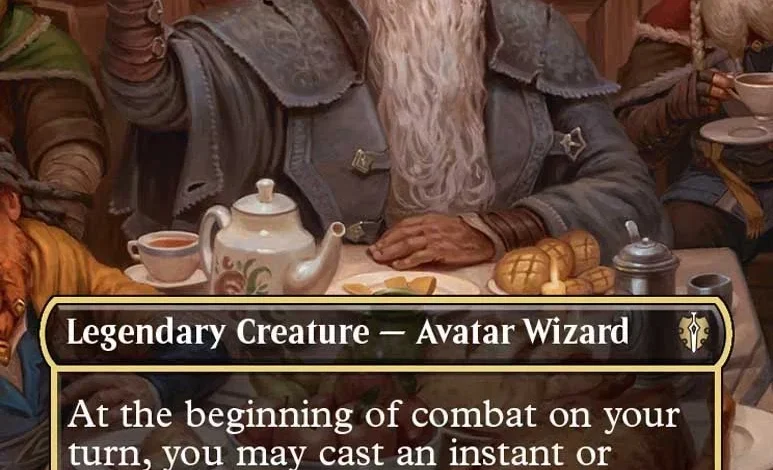
The landscape of collectible card games has been significantly shaped by Wizards of the Coast’s ambitious "Universes Beyond" initiative, which integrates beloved intellectual properties into the Magic: The Gathering (MTG) universe. Following the immensely successful launch of its Lord of the Rings: Tales of Middle-earth set, which became the second-best-selling Universes Beyond set to date, the company has now offered an in-depth look at its upcoming collaboration with The Hobbit. This new expansion, officially releasing on August 14, promises to immerse players in J.R.R. Tolkien’s foundational fantasy narrative with a wealth of new cards and unique play experiences.

The announcement builds upon the initial reveal of The Hobbit crossover at MagicCon in May, where several cards were showcased, generating considerable excitement among fans. This continued unveiling of content underscores Wizards of the Coast’s strategy of leveraging established, high-demand franchises to broaden MTG’s appeal and cater to a diverse player base. The success of the Lord of the Rings set, which followed the Warhammer 40,000 and The Walking Dead Universes Beyond releases, has paved the way for further deep dives into iconic fantasy worlds.

The Hobbit: A Legacy in Fantasy
To understand the significance of this MTG crossover, it is essential to appreciate the enduring legacy of The Hobbit. First published in 1937, J.R.R. Tolkien’s novel predates The Lord of the Rings by nearly two decades and serves as its direct prequel. The story chronicles the unexpected journey of Bilbo Baggins, a comfort-loving Hobbit of Bag End, who is swept into an epic quest by the wizard Gandalf and a company of thirteen dwarves. Their objective is to reclaim the Lonely Mountain and its vast treasure from the fearsome dragon Smaug. Along this perilous adventure, Bilbo encounters a rich tapestry of characters, discovers the One Ring, and inadvertently sets in motion events that will shape the fate of Middle-earth.

The Hobbit, along with its epic successor, has become a cornerstone of the fantasy genre, influencing countless authors, filmmakers, and storytellers. Its intricate world-building, complex mythology, and profound themes of courage, fellowship, and the corrupting nature of power have resonated with generations of readers. The cinematic adaptation of The Hobbit as a film trilogy further amplified its reach, introducing these narratives to new audiences. For Magic: The Gathering, a game deeply rooted in fantasy tropes, this partnership represents a natural and highly anticipated fusion.

A Dual Approach to Storytelling: Scene Boxes and Individual Cards
Wizards of the Coast is employing a multi-faceted approach to bring The Hobbit to life within MTG, offering both narrative-driven "scene boxes" and individual character and event cards. This strategy aims to capture the essence of the story in distinct, playable formats.

Scene Box 1: "Crack The Plates" – The Unexpected Party
The first scene box, titled "Crack The Plates," immerses players in the pivotal early moments of The Hobbit – the unexpected arrival of Gandalf and the dwarves at Bilbo’s home. This collection of cards, when assembled correctly on the battlefield, recreates the iconic "unexpected party" that marks the beginning of Bilbo’s transformative journey. The scene box includes representations of key characters and elements from this memorable sequence.

The revealed cards for this scene box are:

- Fili and Kili, Joyous: Representing the youngest dwarves of Thorin’s company, known for their bravery and adventurous spirit.
- Gandalf, Party Guest: The enigmatic wizard who orchestrates the gathering and sets Bilbo on his path.
- Thorin, King of Durin’s Folk: The proud and determined leader of the dwarven company, driven by the desire to reclaim his ancestral home.
- Bilbo, Fellow Conspirator: The reluctant hero, whose life is irrevocably changed by the events of this night.
- Bag End Banquet: A card likely representing the feast and revelry that ensues, embodying the initial chaotic hospitality of Bilbo’s home.
- Ori, Plate Stacker: A nod to the dwarves’ meticulous nature, even in their feasting.
This collection allows players to not only utilize these characters in gameplay but also to visually reconstruct a significant narrative moment, offering a unique blend of tabletop gaming and thematic immersion.

Scene Box 2: "The Desolation of Smaug" – Confrontation and Greed
The second scene box, named "The Desolation of Smaug," shifts the narrative focus to the climactic encounters and the dragon’s formidable presence. This set of cards is designed to depict Bilbo’s increasingly perilous interactions within the dragon’s lair and the broader context of Smaug’s destructive reign.

The cards featured in this scene box include:

- Long-Lost Lances: A card possibly representing the recovered weaponry of ancient kings, hinting at the historical context of the Lonely Mountain’s plight.
- Dragon-Cursed Halls: This card likely evokes the oppressive and dangerous atmosphere of Smaug’s treasure hoard.
- Smaug, the Impenetrable: The central antagonist of The Hobbit, a magnificent and terrifying dragon whose greed has laid waste to kingdoms.
- Bilbo’s Burglaring: A card capturing Bilbo’s cunning and bravery as he attempts to outwit the dragon.
- Dragon’s Desire: Representing the insatiable avarice that drives Smaug and fuels his possessiveness over his vast treasure.
- Necklace of Girion: A significant artifact within the story, hinting at the past and the lineage of those who have suffered under Smaug’s dominion.
This second scene box delves into the more action-oriented and high-stakes moments of The Hobbit, providing players with powerful cards that reflect the narrative’s escalating tension.

Iconic Characters and Locations Expanded
Beyond the scene boxes, the Magic: The Gathering The Hobbit set introduces a range of individual cards that flesh out the world and its inhabitants, drawing directly from Tolkien’s lore. These cards offer strategic depth and thematic richness for deck-building and gameplay.

Notable individual cards revealed include:

- The Eagles Are Coming: A powerful spell or creature card that embodies the timely intervention of the Great Eagles, a recurring force of aid in Middle-earth.
- Thorin Oakenshield: A distinct representation of the dwarf king, likely focusing on his martial prowess and leadership.
- The Queen of Dale: Introducing a key figure from the human kingdom that suffered under Smaug’s wrath, highlighting the broader impact of the dragon’s actions.
- The Chief Warg: Representing the formidable wolf-like creatures that play a significant role in the battles of Middle-earth.
- Supper for Spiders: A card that likely reflects the perilous encounters with the giant spiders of Mirkwood Forest.
- The Lonely Mountain: A land card or powerful artifact representing the dwarven stronghold and its vast treasure, a central objective of the quest.
- Bard the Bowman: The heroic figure from Lake-town who ultimately defeats Smaug, showcasing a pivotal character in the narrative.
- Thranduil, the Elvenking: The powerful ruler of the Woodland Realm of Mirkwood, whose interactions with Thorin and the dwarves are crucial to the story.
- Gandalf, Goblins’ Bane: A more focused portrayal of Gandalf’s combat prowess, specifically against the Goblin forces encountered.
- Desolation of Smaug: A card that likely encapsulates the destructive impact of the dragon on the surrounding lands and peoples.
- Bifur, Melodic Rider: A unique depiction of one of the more distinct dwarves in Thorin’s company.
- Bard, King of Dale: An evolved representation of Bard, signifying his eventual ascent to leadership.
- Gandalf, Party Guest: As mentioned in the scene box, this card highlights Gandalf’s role in initiating the adventure.
- Sting, Bilbo’s Sword: The iconic elven dagger that glows blue in the presence of orcs and goblins, a legendary weapon in its own right.
- Silvan Reveler: A card representing the wood-elves of Mirkwood, known for their connection to nature and their more reclusive nature.
- Bolg of the North: A formidable Orc chieftain and son of Azog, a significant antagonist in the narrative.
- Burn, Burn, Tree and Fern: A evocative card title suggesting a spell or event related to fire or destruction, possibly tied to Smaug or other fiery perils.
- Gollum, Riddle Master: An anticipated card that captures the infamous creature and his pivotal riddle game with Bilbo.
- Mox Amber: A highly sought-after artifact card, reminiscent of the powerful Moxen from early MTG sets, likely drawing thematic parallels to dwarven treasures or potent artifacts of Middle-earth.
- The Reaver Cleaver: A weapon card likely associated with a fearsome warrior or a destructive artifact.
- Treasure Vault: A land or artifact card representing the immense riches hoarded by Smaug within the Lonely Mountain.
Dwarvish Language Cards
Adding another layer of authenticity and depth, the set includes five "Dwarvish language" cards. One of these, Dwarven Warriors, was revealed at MagicCon, showcasing the unique linguistic elements of Tolkien’s creations. These cards are expected to offer unique mechanics or flavor that directly tie into the dwarven culture and heritage central to The Hobbit.

The Shadow of the One Ring
The Lord of the Rings: Tales of Middle-earth set made history with the inclusion of a singular, unique copy of "The One Ring" card, ultimately purchased by musician Post Malone for $2 million, making it the most expensive Magic: The Gathering card ever sold. This unprecedented event highlighted the immense value and collectibility of MTG cards, especially those tied to iconic narratives.

The The Hobbit expansion also features "The One Ring" in a box-topper capacity, offering players the opportunity to acquire this legendary artifact. However, the introduction of this card for The Hobbit set has been met with controversy. Reports indicate that fans and players have accused the artist, Dan Frazier, of plagiarizing the design of the original One Ring card from the Lord of the Rings set, which was illustrated by an entirely different artist.

Wizards of the Coast and Frazier have reportedly issued public apologies regarding the situation. While the company has not announced plans for a new iteration of the card for The Hobbit set, the controversy underscores the sensitivity surrounding artistic integrity and fan expectations within the Magic: The Gathering community, particularly for such high-profile releases. This incident serves as a significant point of discussion within the MTG collector and player base, raising questions about design originality and artist attribution in collaborative projects.

Broader Implications for the "Universes Beyond" Program
The continued expansion of the "Universes Beyond" program with a property as universally acclaimed as The Hobbit signifies a strategic direction for Wizards of the Coast. By tapping into established, beloved IPs, the company aims to:

- Expand Player Base: Attract players who are fans of these universes but may not have previously engaged with Magic: The Gathering.
- Deepen Engagement: Provide existing players with novel ways to interact with their favorite fictional worlds through the strategic depth of MTG gameplay.
- Enhance Collectibility: Create highly sought-after cards that appeal to both players and collectors, driven by the cross-appeal of the IPs.
- Monetization Opportunities: Generate significant revenue streams through themed sets, special editions, and unique collector’s items.
The success of the Lord of the Rings set, which has become a benchmark for the program, indicates that this strategy is effective. The detailed lore, rich character roster, and iconic moments of The Hobbit provide ample material for future expansions, suggesting that this approach to crossover content is likely to continue. The The Hobbit set, with its dual scene boxes and extensive card pool, represents a significant investment in this strategy, aiming to replicate and potentially surpass the success of its predecessor.

As the official release date of August 14 approaches, the Magic: The Gathering community eagerly anticipates the opportunity to explore Middle-earth anew through the lens of this extensive and ambitious collaboration. The fusion of Tolkien’s timeless narrative with the strategic complexity of Magic: The Gathering promises an engaging experience for both long-time fans of the fantasy saga and dedicated players of the collectible card game.