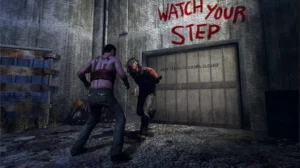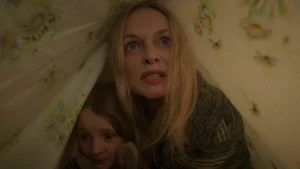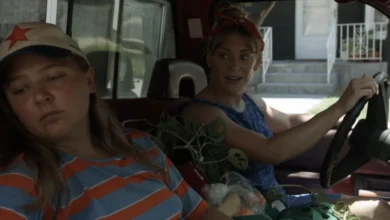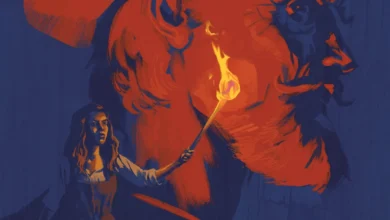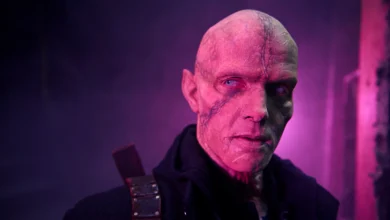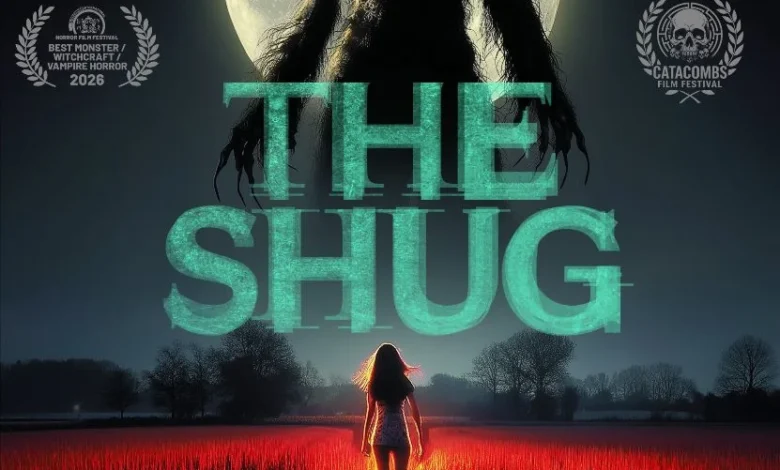
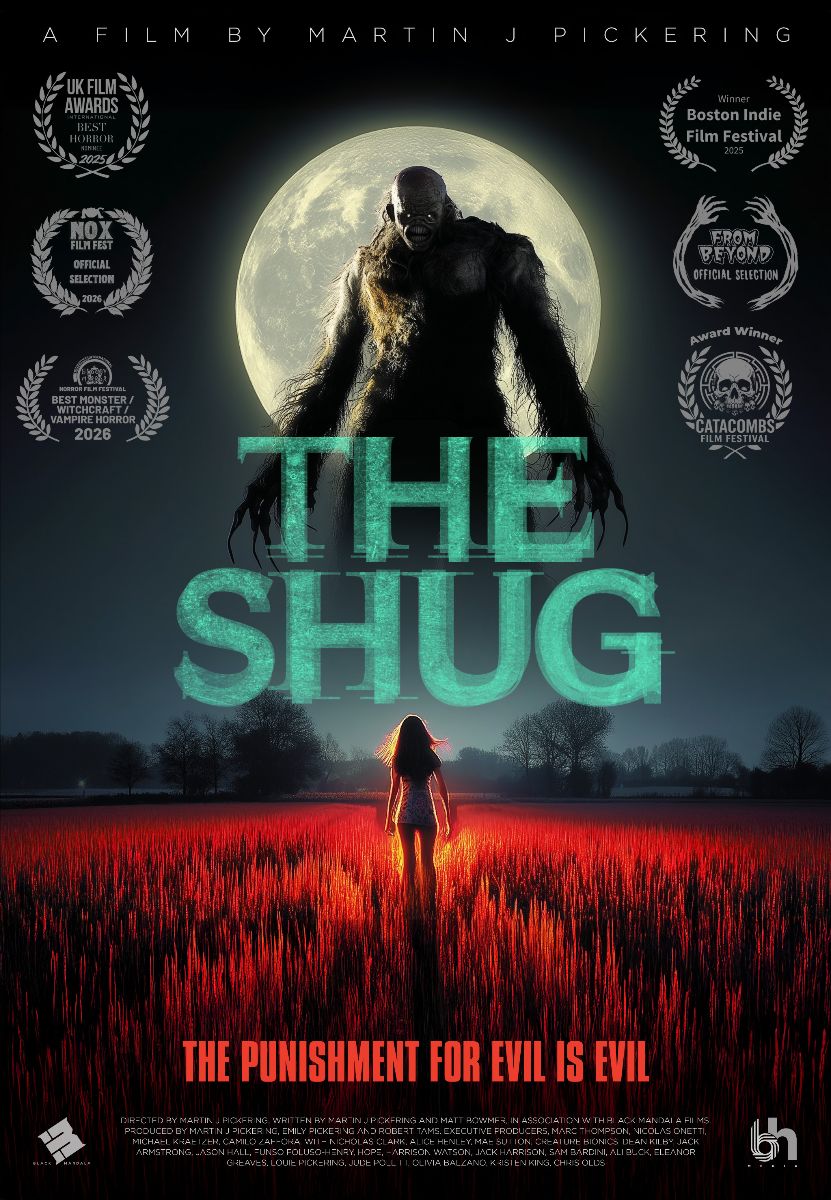
BLACK MANDALA is proud to present THE SHUG, a haunting new folk horror film from director Martin J. Pickering. Inspired by alleged real-life sightings and a recorded interview with a woman who claims to have encountered the legendary Shug Monkey, the film transports this chilling folklore into the fractured landscape of post-Brexit Britain. Blending supernatural terror with grounded emotional realism, THE SHUG explores alcoholism, generational trauma, family breakdown, and the devastating consequences of a past that refuses to remain buried. In the summer of 2024, reports of the dreaded creature known as “The Shug” begin to surface once again across the British countryside. John, an alcoholic still haunted by a violent encounter with the creature during his teenage years, is forced to confront the nightmare he has spent decades trying to forget. As fear spreads and the sightings intensify, John reluctantly joins forces with journalist Alice Bowmer and paranormal YouTuber “The Hobbo Adventurer.” Together, they begin investigating the growing reports, only to discover that the truth behind the legend may be far darker—and far more personal—than any of them imagined.
Unearthing the Folklore of The Shug
The Shug, a creature steeped in obscure British folklore, has long been whispered about in rural communities, often dismissed as the ramblings of isolated individuals or the product of overactive imaginations. While concrete historical records detailing its origins are scarce, local legends paint a picture of a primal, terrifying entity, often associated with the deep woods and desolate moors. Descriptions vary, but a common thread suggests a humanoid figure, often described as ape-like or simian in its features, possessing immense strength and a predatory nature. Some accounts link it to ancient forest spirits, while others posit it as a forgotten guardian of the wild, angered by human encroachment.
The film "The Shug" by director Martin J. Pickering, produced by BLACK MANDALA, appears to leverage these nebulous origins, grounding the supernatural threat within the contemporary anxieties of post-Brexit Britain. This thematic choice suggests a narrative that uses the creature as a metaphor for unresolved societal issues, historical grievances, and the lingering psychological scars of a nation navigating a period of profound change. The decision to base the film on alleged real-life sightings and an interview with a purported witness adds a layer of verisimilitude, aiming to blur the lines between folklore, cryptozoology, and cinematic horror.
The Narrative Arc: A Descent into Fear and Trauma
The plot of "The Shug" centers on John, a character grappling with severe alcoholism and the enduring psychological impact of a traumatic encounter with the creature during his youth. The narrative is set against the backdrop of the summer of 2024, a period marked by a resurgence of Shug sightings across the British countryside. This temporal setting places the film in the immediate present, amplifying the sense of unease and allowing for a contemporary interpretation of the folklore.
John’s personal struggle with his past is inextricably linked to the re-emergence of the Shug. His alcoholism is presented not merely as a vice, but as a coping mechanism for the unresolved trauma inflicted by his earlier encounter. The narrative forces him to confront this repressed history, suggesting that the external threat of the Shug mirrors his internal battle with addiction and memory.
The introduction of Alice Bowmer, a journalist, and "The Hobbo Adventurer," a paranormal YouTuber, signals a shift from isolated personal terror to a collective investigation. This pairing of a traditional investigative journalist with a digital-age content creator highlights the film’s engagement with contemporary methods of information gathering and dissemination. Their collaboration suggests a quest for objective truth, but also opens the door to the sensationalism and potential misinterpretation that often surrounds such phenomena. As they delve deeper into the growing reports, they uncover a truth that is "far darker—and far more personal—than any of them imagined." This suggests that the Shug’s presence is not random, but connected to the characters’ lives and perhaps to a deeper, more insidious secret within the community or their own histories.
Supporting Data and Contextual Background
While specific data points on "The Shug" sightings are fictionalized for the film’s narrative, the concept of unexplained phenomena and the rise of cryptozoological interest are well-documented. Public fascination with creatures like Bigfoot, the Loch Ness Monster, and other cryptids has seen a resurgence in recent years, fueled by the internet and social media. Platforms like YouTube host numerous channels dedicated to investigating and discussing such mysteries, providing a fertile ground for the "Hobbo Adventurer" character to exist.
The film’s setting in post-Brexit Britain also provides a rich contextual backdrop. The period following the United Kingdom’s departure from the European Union has been characterized by significant social and economic shifts, leading to increased introspection and, in some circles, a sense of fragmentation and uncertainty. This societal unease can be a powerful narrative device for horror films, as it creates a fertile ground for anxieties to manifest in supernatural or psychological threats. The "fractured landscape" of post-Brexit Britain, as described, could symbolize not only political division but also a breakdown in traditional social structures and a sense of displacement, which the Shug’s terrifying presence might exploit or embody.
The exploration of alcoholism and generational trauma are also significant themes with real-world relevance. Alcoholism remains a persistent public health concern in the UK, with significant societal and personal costs. Generational trauma, the transmission of adverse experiences from one generation to the next, is increasingly recognized as a complex issue impacting mental health and family dynamics. By weaving these themes into the fabric of a folk horror narrative, "The Shug" aims to resonate with audiences on a deeper, more human level, suggesting that the most terrifying monsters are sometimes those we carry within ourselves or inherit from our past.
Potential Reactions and Inferred Statements
Given the nature of the film’s premise, it is plausible to infer potential reactions from various parties. Cryptozoology enthusiasts and fans of folk horror are likely to express keen interest, particularly in the film’s claim to be inspired by real accounts. Online paranormal communities and forums would likely become hubs for discussion and debate, dissecting the film’s lore and comparing it to existing Shug legends.
Local communities in the areas where such folklore is prevalent might offer a range of responses. Some may embrace the film as a novel interpretation of their heritage, while others might express concern about the potential for sensationalism or the perpetuation of fear. Historical societies and folklorists might engage with the film critically, analyzing its accuracy in representing or adapting traditional narratives.
From a film industry perspective, "The Shug" represents a continued trend of genre films exploring socio-political anxieties through supernatural lenses. Critics would likely assess its success in balancing its thematic depth with its horror elements, and its effectiveness in portraying the psychological toll of trauma and addiction. Comparisons to other folk horror films that have gained critical acclaim, such as "The Wicker Man" or more recent offerings like "Midsommar," would be inevitable.
Broader Impact and Implications
The emergence of "The Shug" as a significant folk horror film has several potential implications. Firstly, it could contribute to a broader public awareness of lesser-known regional folklore, potentially sparking further research and interest in similar local legends across the UK and beyond. The film’s success could also embolden filmmakers to explore more obscure mythologies and historical narratives within the horror genre, diversifying the landscape of supernatural cinema.
The film’s thematic engagement with post-Brexit Britain and its exploration of societal ills like alcoholism and trauma suggest that contemporary horror is increasingly serving as a vehicle for cultural commentary. By grounding its supernatural elements in tangible human struggles, "The Shug" might encourage audiences to reflect on the psychological and social consequences of societal shifts.
Furthermore, the film’s use of a paranormal YouTuber character highlights the evolving nature of information consumption and the blurred lines between entertainment, investigation, and genuine belief in the digital age. This aspect of the narrative could prompt discussions about the credibility of online content creators and the impact of social media on public perception of the unexplained.
Ultimately, "The Shug" appears poised to offer a potent blend of chilling folklore, psychological depth, and relevant social commentary. Its success will likely depend on its ability to weave these elements into a cohesive and terrifying cinematic experience that resonates with audiences on multiple levels, tapping into both primal fears and contemporary anxieties. The film’s ambition to connect a legendary creature with the deep-seated issues of a nation suggests a narrative that aims to be more than just a scare-fest, but a probing examination of what truly haunts us.