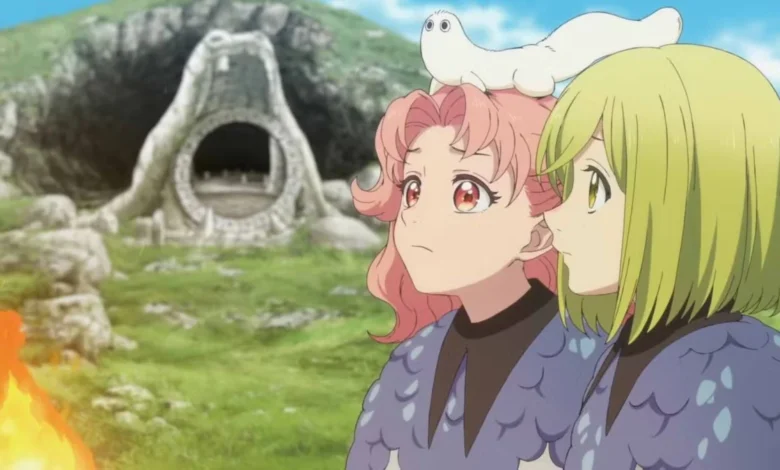
The Spring 2026 anime season has drawn to a close, culminating in the critically acclaimed finale of the first season of Witch Hat Atelier. Heralded as one of the year’s most significant anime releases, this fantasy epic has rapidly established itself as a standout production in recent memory, captivating audiences with its visually striking animation and an intricately crafted fantasy world. Despite an initial delay from its planned 2025 premiere due to production challenges, the wait proved worthwhile, as studio BUG FILMS delivered an adaptation that uncompromisingly maintained a high standard of animation quality, faithfully bringing to life Kamone Shirahama’s exquisite manga, which has been serialized in Kodansha’s seinen magazine Morning Two since 2016.
The Genesis of a Phenomenon: From Manga Pages to Animated Masterpiece
Witch Hat Atelier originates from the visionary mind and artistic hand of Kamone Shirahama, a mangaka renowned for her detailed art style and imaginative storytelling. The manga, which began its serialization in July 2016, quickly garnered a dedicated following for its unique premise: a young girl named Coco, born without magical abilities in a world where magic is an exclusive art performed by those born with it, inadvertently stumbles upon a forbidden spellbook and casts a spell that turns her mother into crystal and destroys her home. Taken in by the enigmatic witch Qifrey, Coco embarks on a journey to learn magic and reverse the spell, discovering along the way the hidden truths and ethical complexities of the magical world. Shirahama’s artwork, characterized by its intricate line work, breathtaking environmental designs, and expressive character portrayals, has been a consistent highlight, earning numerous accolades including a nomination for the Eisner Award. The narrative delves into themes of belonging, the pursuit of knowledge, the societal implications of power, and the ethical dilemmas inherent in magic, resonating deeply with a broad readership. Its consistent critical praise and strong sales figures positioned it as a prime candidate for an anime adaptation, generating considerable anticipation within the global manga and anime communities.
BUG FILMS’ Commitment to Quality: Navigating Production Challenges
The journey to bring Witch Hat Atelier to the screen was not without its hurdles. Initially slated for a 2025 debut, the production faced a delay, a common occurrence in the demanding anime industry often attributed to the meticulous requirements of translating complex art styles and narrative depth into animation. For Witch Hat Atelier, this delay was particularly notable given the manga’s reputation for its intricate visual detail and fluid magical sequences. However, instead of compromising on quality to meet an arbitrary deadline, studio BUG FILMS made the strategic decision to extend the production timeline. This commitment paid dividends, as the Spring 2026 premiere showcased an animation quality that was consistently lauded by critics and fans alike. BUG FILMS, a relatively newer player in the anime production landscape, has quickly established a reputation for its dedication to artistic integrity and high production values. Their approach to Witch Hat Atelier has cemented their position as a studio capable of handling visually ambitious and narratively complex source material, setting a new benchmark for fantasy anime adaptations. The seamless integration of 2D animation with subtle CGI elements, the vibrant color palette, and the dynamic portrayal of spellcasting sequences all underscored the extensive effort invested during the extended production period.
Season One’s Triumphant Run and Critical Acclaim
The first season of Witch Hat Atelier unfolded over several weeks, delivering one captivating episode after another before reaching its conclusion in June 2026. The series immediately distinguished itself through its stunning animation, which meticulously recreated Shirahama’s distinctive art style, and its faithful adaptation of the manga’s compelling narrative. Viewers were immersed in Coco’s journey from an ordinary village girl to an apprentice witch, experiencing the wonders and dangers of a world where magic is both a source of creation and potential destruction. The portrayal of the magical system, where spells are drawn rather than chanted, offered a fresh take on classic fantasy tropes, appealing to both long-time genre enthusiasts and newcomers.
Critics universally praised the anime for its breathtaking visuals, intricate world-building, and strong character development. Reviewers highlighted the seamless transition of Shirahama’s art to the animated format, particularly commending the fluidity of magical effects and the expressive character designs. Publications lauded it as a masterclass in fantasy adaptation, often citing its ability to evoke a sense of wonder while simultaneously hinting at darker, more complex undertones. Fan reception echoed this sentiment, with the series consistently trending on social media platforms and maintaining high ratings on streaming services. Its success not only validated the decision to prioritize quality over speed but also underscored the global appetite for thoughtfully crafted fantasy narratives. The first season effectively laid the groundwork for the overarching conflict, introducing key characters like Qifrey, the other apprentices Agate, Tetia, and Riche, and the mysterious anti-magic organization, the Brimmed Caps, while gradually revealing the deeper mysteries and inherent dangers of the magical realm.

Immediate Greenlight: A Swift Announcement for Season Two
Following its triumphant conclusion, the announcement of a second season was swiftly made, much to the delight of its burgeoning fanbase. The immediacy of this announcement, coupled with the release of an early teaser, strongly suggests that BUG FILMS intends to capitalize on the momentum generated by the first season and does not plan an extended hiatus for fans. This rapid turnaround for a second season is often indicative of a production pipeline that has already commenced preliminary work or a studio’s strong confidence in the property’s continued success and commercial viability. The teaser offered tantalizing glimpses into the next chapter, fueling speculation and anticipation for what lies ahead.
In an exclusive interview with Crunchyroll on July 16, 2026, Kamone Shirahama, the original manga creator, alongside Rena Motomura, the accomplished voice actress behind the protagonist Coco, offered insights into the narrative direction of the upcoming season and their experiences with the series. Their combined perspectives provided a rare glimpse into both the creative vision and the performance aspects that bring Witch Hat Atelier to life.
Creator’s Vision: Expanding the World and Deepening Themes
Kamone Shirahama’s comments regarding Witch Hat Atelier Season 2 were particularly illuminating, signaling a significant expansion of the narrative scope. "In Witch Hat Atelier Season 2, compared to season one, especially, the world is going to seem much wider and more expansive," Shirahama revealed. This statement holds profound implications for the series’ future, as the first season, while introducing the fundamentals of magic and the immediate dangers facing Coco, primarily focused on her apprenticeship within Qifrey’s atelier and the initial confrontations with the Brimmed Caps. An expanded world suggests that viewers will journey beyond the familiar confines, exploring new magical societies, diverse landscapes, and perhaps encountering different schools of thought regarding magic and its use. This is crucial for a fantasy series of this caliber, as robust world-building is often a cornerstone of its enduring appeal.
Shirahama further elaborated, stating, "The themes are going to get deeper, and I think everyone will see different facets of magic as well." This indicates a maturation of the narrative, moving beyond introductory concepts to explore more complex ethical and philosophical questions surrounding magic. The first season hinted at the darker aspects of magic—its forbidden uses, its potential for harm, and the societal structures that govern and restrict its practice. A deeper exploration could involve examining the history of magic, the origins of its prohibitions, the political power dynamics within the witch community, and the true motivations behind the various factions, including the enigmatic Brimmed Caps. It also suggests that Coco, as a character who defies conventional magical norms, will continue to challenge established beliefs and uncover hidden truths about the world she inhabits.
The creator concluded her remarks by emphasizing the importance of character agency and audience engagement: "In knowing these things, I want everyone to focus on ‘what choices will the characters make,’ and what new world and characters will show up in season two. Also? I’m just really looking forward to the reactions from the fans." This directive encourages viewers to actively engage with the evolving narrative and the moral dilemmas faced by the characters. Character choices are pivotal in Witch Hat Atelier, particularly for Coco, whose unconventional approach to magic often puts her at odds with established traditions. Shirahama’s excitement for fan reactions underscores the interactive nature of storytelling in the digital age, where audience feedback plays a significant role in the cultural impact of a series.
Rena Motomura’s Perspective: Bringing Coco to Life
While the interview focused heavily on Shirahama’s creative vision, Rena Motomura, the voice behind Coco, also shared her experiences, offering a glimpse into the performance aspect of the anime. Although specific quotes from Motomura were not detailed in the original report, her presence alongside Shirahama in the interview highlights the collaborative effort involved in bringing the series to life. Voice actors are integral to character development, imbuing animated figures with emotion, personality, and depth. Motomura’s portrayal of Coco has been praised for capturing the character’s unwavering curiosity, inherent kindness, and determined spirit, making her an endearing and relatable protagonist. Her insights would likely revolve around the challenges and joys of voicing such a multifaceted character, the evolution of Coco’s emotional landscape, and the anticipation of exploring new facets of her personality in the upcoming season. The synergy between the creator’s vision and the actor’s performance is crucial for an authentic adaptation, and Motomura’s continued involvement ensures consistency in Coco’s characterization.
Analyzing the Season One Cliffhanger and Season Two Tease
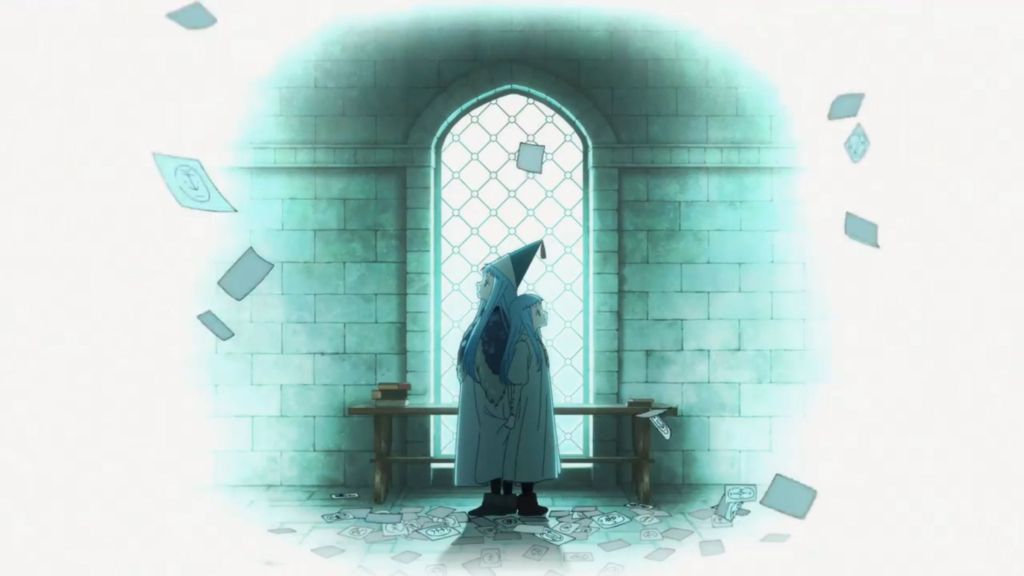
The first season concluded on an intense cliffhanger, leaving audiences eager for immediate resolution. The narrative climax saw the characters embroiled in a perilous situation within the Serpentback Cave, under attack by formidable adversaries. This dramatic turn confirmed that Qifrey, Coco’s mentor, would be pushed to his limits, fighting desperately to protect his apprentices from imminent danger. This scenario effectively raises the stakes, moving beyond the initial training arcs to confront more direct and deadly threats, signifying a shift towards a more action-oriented and suspenseful narrative for the next season.
Perhaps the most compelling aspect teased for Season 2 is the "dark new look of Coco." This visual cue strongly implies a significant development in her magical abilities, suggesting she will tap into a new, potentially formidable well of power. The implication that she "might not have enough control over" this new power introduces a layer of internal conflict and danger, hinting at potential moral compromises or unforeseen consequences. Coco’s journey has consistently been about breaking norms and uncovering forbidden secrets. Her innate ability to use magic in unconventional ways, often defying the rigid rules of the witches’ society, has been a central theme. This new development could see her further challenging established magical dogma, perhaps even venturing into areas of magic deemed too dangerous or taboo. This arc promises to be a pivotal point for her character, potentially forcing her to confront the darker side of her own unique talents and the true nature of the world’s magical foundations. The visual transformation suggests a dramatic shift, both in her appearance and her capabilities, setting the stage for a compelling exploration of power, responsibility, and the ever-present dangers lurking within the world of magic.
Broader Implications and Future Outlook
The resounding success of Witch Hat Atelier‘s first season carries significant implications for the anime industry, the fantasy genre, and the trajectory of BUG FILMS. For the industry, it reinforces the value of patience and a commitment to quality over rushed production schedules. In an era where many adaptations face criticism for animation shortcuts or deviations from source material, Witch Hat Atelier stands as a testament to what can be achieved with dedicated craftsmanship. Its success could encourage other studios to invest more time and resources into adapting complex manga, particularly within the fantasy genre.
For the fantasy genre itself, Witch Hat Atelier injects a fresh perspective, combining classic magical academy tropes with a unique visual language and a nuanced exploration of magic’s ethical dimensions. It demonstrates that there is still ample room for innovation within a well-established genre, appealing to a broad demographic that appreciates both intricate world-building and compelling character-driven narratives.
For BUG FILMS, Witch Hat Atelier has elevated its standing within the competitive anime production landscape. Having successfully delivered a high-quality adaptation of a beloved and visually demanding manga, the studio is now poised for greater recognition and potentially more ambitious projects. Their meticulous work on this series will undoubtedly serve as a strong portfolio piece, attracting future collaborations and solidifying their reputation as a studio capable of handling prestigious titles.
Kamone Shirahama’s manga continues its serialization, providing a rich and expanding source material for future anime seasons. The creator’s excitement for fan reactions and her hints at a wider, deeper world for Season 2 suggest a long and prosperous future for the Witch Hat Atelier anime. The anticipation among the global fanbase is palpable, eagerly awaiting the next chapter in Coco’s magical journey and the unveiling of the profound secrets that lie within the Witch Hat Atelier universe. The series has not only delivered a visually stunning and narratively rich first season but has also set a high bar for its continuation, promising an even more expansive and thematically resonant exploration of its enchanting world.