Playtonic Games Explains Why Yooka-Replaylee and the Impossible Lair Definitive Edition is Skipping Xbox Consoles

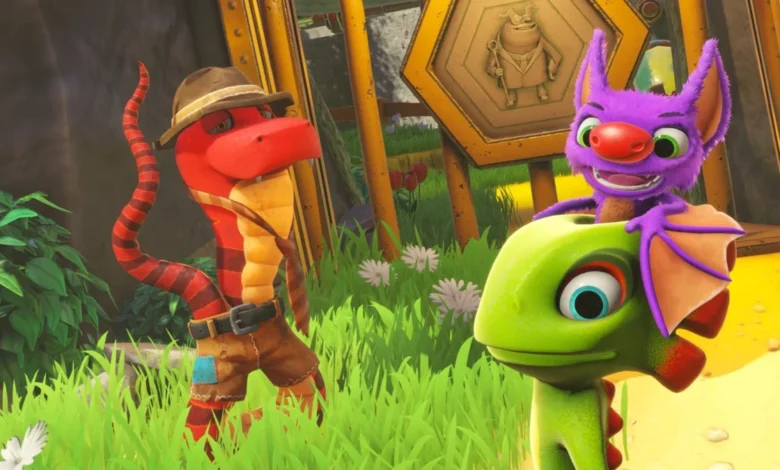
Developer Playtonic Games has officially addressed the gaming community regarding a notable omission in its upcoming release schedule: the decision to bypass current-generation Xbox consoles for the forthcoming Definitive Edition of Yooka-Laylee and the Impossible Lair. As the independent studio prepares to launch the enhanced platformer on December 15, the exclusion of Microsoft’s hardware has sparked considerable discussion across social media platforms and gaming forums.
The studio, operating as an independent entity since its formation by former Rare veterans, has pointed toward a combination of financial constraints, logistical limitations, and the realities of modern game development economics as the primary drivers behind the decision. While fans of the colorful platforming franchise on PlayStation 5 and upcoming hardware platforms prepare to experience the upgraded version, Xbox Series X and Series S owners will have to look elsewhere or rely on backward compatibility features of previous releases.
Understanding the Definitive Edition Upgrades
The impending release of Yooka-Laylee and the Impossible Lair: Definitive Edition represents a significant technical overhaul of the critically acclaimed 2D platformer. Originally praised for its tight controls, intricate level design, and evocative presentation reminiscent of classic 16-bit era platformers, the game is receiving a comprehensive modernization pass.
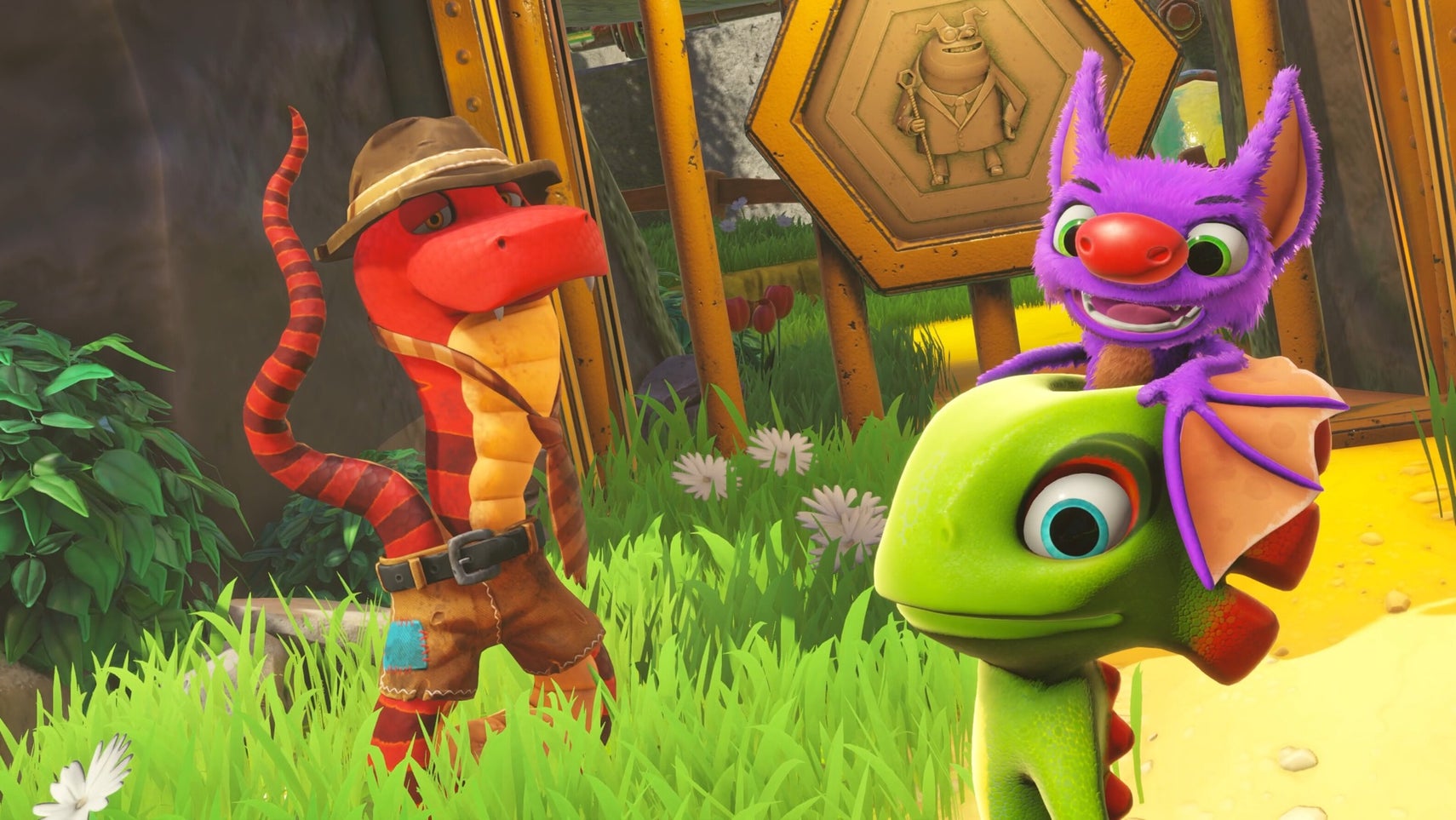
Among the primary technical enhancements slated for the Definitive Edition are support for fluid 120 frames-per-second gameplay, a complete overhaul of the title’s lighting engine, updated high-resolution textures, and refined shadow rendering. Furthermore, the package bundles the popular "Trowzer’s Top Tonic Pack" downloadable content directly into the base experience, offering players a definitive version of the adventure featuring the dynamic chameleon-and-bat duo alongside Trowzer the snake.
The visual and performance enhancements are designed to leverage the advanced capabilities of modern gaming hardware. However, the engineering effort required to optimize and port these graphical improvements across multiple distinct architectures has proven to be a formidable task for a boutique development team.
The Official Statement and Studio Constraints
Faced with growing inquiries and disappointment from the Xbox community, Playtonic Games took to official social media channels to provide transparency regarding their platform strategy. The studio expressed profound gratitude for the overall positive reception surrounding the December 15 release date while addressing the elephant in the room directly.
"We are aware of feedback regarding the lack of Xbox Series S/X support, and we just wanted to provide some clarity on the reasoning behind this decision," Playtonic Games stated in their public address. "Bringing Yooka-Laylee and the Impossible Lair: Definitive Edition to PlayStation 5 and next-generation hardware has been an exciting adventure. Unfortunately, we’ve had to prioritise our efforts given the technical challenges and costs presented in the creation of this updated version of the game, and as a result, we are unable to commit to any additional platforms for the foreseeable future."
Elaborating further on the realities of independent game development, the studio highlighted that the financial investments required to port, optimize, certify, and support additional console ecosystems simply do not align with current commercial viability metrics. With Xbox console hardware market share trailing behind primary competitors in various key territories, independent developers frequently face difficult resource-allocation choices.
"As a small team, we hope you guys can understand the challenges we face," the developers continued. "Please know that this wasn’t an easy decision to make, and we apologise to any of you affected by this. We only wish things were different, and we value every single one of every single one of you and your feedback."
Technical Context and Digital Foundry Insights
To better understand the practical impact of this decision, industry analysts and technical experts have evaluated the current state of the franchise on existing Microsoft hardware. Digital Foundry’s John Linneman weighed in on the discussion, offering reassurance to Xbox owners who might feel penalized by the omission.
Linneman pointed out that the original version of Yooka-Laylee and the Impossible Lair already exhibits remarkably robust technical performance on Microsoft’s legacy architecture. Specifically, the Xbox One X iteration of the game runs natively at a pristine 4K resolution, delivering visual fidelity that has aged remarkably well.
"The Xbox One X version of this game is already native 4K," Linneman noted via social media. "The upgrade seems minor, thus it’s already excellent on Xbox. Was the best console version by far."
Because the game already scales exceptionally well via backward compatibility on Xbox Series X and Series S consoles—benefiting from the robust hardware headroom of the newer systems—the visual delta between the base game running on modern Xbox hardware and the upcoming Definitive Edition may not be as pronounced as it is on platforms receiving more substantial structural overhauls.

Franchise Background: From Collectathon Roots to 2D Precision
The Yooka-Laylee franchise holds a unique place in modern gaming history, born from a successful crowdfunding campaign that promised to revive the dormant 3D collectathon genre popularized by titles like Banjo-Kazooie and Donkey Kong 64. Playtonic Games, founded in 2014 by key creative and technical talent from Rare, launched the original Yooka-Laylee in 2017 to a wave of nostalgic enthusiasm tempered by mixed critical evaluations regarding its adherence to dated genre tropes.
However, when the studio shifted its focus for the follow-up project, Yooka-Laylee and the Impossible Lair, critics and players alike were pleasantly surprised. Abandoning the expansive 3D open-world format in favor of a 2.5D perspective heavily inspired by Nintendo’s legendary Donkey Kong Country series, Playtonic demonstrated a remarkable mastery of tight platforming mechanics, environmental puzzle design, and responsive physics.
Upon its release, the title earned widespread critical acclaim. Eurogamer’s original review praised the game’s structural evolution, stating, "It’s the new in Impossible Lair which impresses, the tightness of the game’s 2D controls and intricately designed levels which stands out, and which seems better fitted to Playtonic’s toolbox. It’s a far more polished game than the studio’s predecessor, and one well worth exploring through."
Industry Implications for Independent Developers
The choice made by Playtonic Games highlights a broader, ongoing trend within the contemporary video game industry. As development costs soar—driven by rising labor expenses, higher consumer expectations for graphical fidelity, and the increasing complexity of multi-platform optimization—independent studios are frequently forced to exercise strict pragmatism.
For publishers and developers operating outside the financial safety nets of major conglomerates, resource management can dictate corporate survival. Supporting a fragmented console market requires dedicating specialized engineering hours to QA testing, platform-specific certification processes, and ongoing patch maintenance. When projected return on investment fails to offset these operational expenditures, supporting weaker-selling or more challenging hardware ecosystems becomes difficult to justify from a fiduciary standpoint.
While the decision to skip Xbox Series X/S with the Definitive Edition will inevitably leave a segment of the platform’s user base disappointed, Playtonic’s transparent communication has largely been met with understanding from the wider gaming community. As the studio prepares for the December 15 launch, the focus remains firmly on delivering a polished, high-performance experience to players on the supported platforms while managing the delicate balance of independent game production in an increasingly expensive industry.
Related posts: