Cyber Protocol: David Bianchi Revives the Lost Sci-Fi World of RZR for a New Generation of Audiences

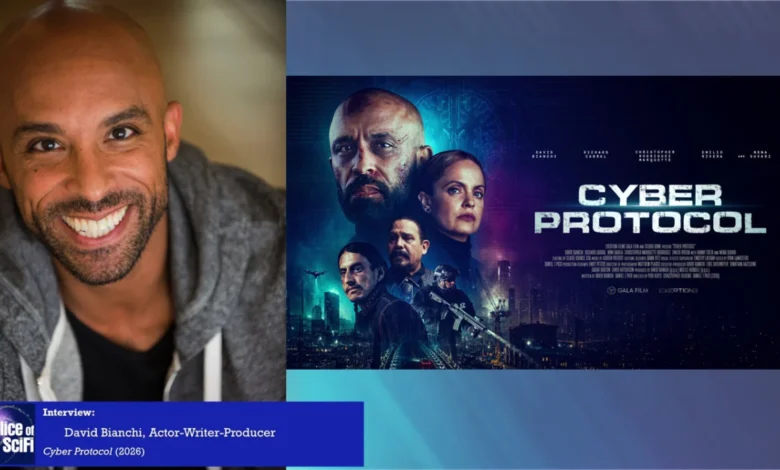
The landscape of digital media is fraught with peril for serialized content, where shifts in platform economics can render critically acclaimed works entirely inaccessible overnight. Such was the fate of RZR, an ambitious dystopian cyberpunk web series that captivated audiences with its gritty realism and high-concept storytelling. However, the abrupt collapse and closure of its hosting streaming platform, Gala Film, effectively relegated the project to the digital shadows, cutting off access for viewers despite its rising acclaim. Determined to rescue his creation from obscurity, multi-hyphenate creator David Bianchi has spearheaded the transformation of the lost digital series into a cohesive feature film titled Cyber Protocol. Scheduled for release via Studio Dome on November 10, beginning with Prime Video, the film represents both a rescue mission for a vanished artistic endeavor and an expansion of a meticulously crafted science fiction universe.
The Genesis and Fall of RZR
To understand the necessity of Cyber Protocol, one must examine the turbulent journey of RZR. Conceived, written, and produced by David Bianchi—who also starred in the project—the original web series was designed to push the boundaries of independent sci-fi production. Set in a near-future Los Angeles governed by systemic corruption, pervasive surveillance, and advanced cybernetics, the series quickly carved out a dedicated niche of followers who praised its uncompromising tone and intricate world-building.
The project’s production value and narrative ambition did not go unnoticed by the broader entertainment industry. In a major milestone for independent digital media, co-star Mena Suvari earned a prestigious Primetime Emmy Award nomination in 2024 for Outstanding Performer in a Short Form Comedy or Drama Series. This recognition validated the artistic merit of the production and signaled that short-form digital content could achieve the dramatic weight of traditional television.
Despite this critical triumph, the business realities of the streaming era dealt a severe blow to the series. Gala Film, the platform that housed RZR, ultimately went out of business. In the digital age, when proprietary streaming services shutter their virtual doors, the content hosted exclusively on them often vanishes into a legal and technical limbo. For RZR, this meant that new fans drawn in by the Emmy buzz or word-of-mouth recommendations found themselves entirely unable to watch the series. The digital archive had become a ghost town, leaving Bianchi facing the prospect of his life’s work remaining permanently lost to the public.
Building the Gridzone: A Lived-In Dystopia
Faced with the erasure of the original web series, Bianchi chose not to let the universe of RZR fade into memory. Instead, he embarked on the challenging endeavor of adapting and expanding the material into Cyber Protocol, a feature film designed to reintroduce the narrative to a broader global audience while consolidating the scattered storylines of the original episodes into a unified cinematic experience.
Central to the appeal of Cyber Protocol is its distinct aesthetic and atmospheric depth. Bianchi and his creative team meticulously crafted a dystopian Los Angeles known within the narrative as a Gridzone. Unlike the sterile, neon-drenched megacities frequently depicted in mainstream cyberpunk cinema, the world of Cyber Protocol is characterized by a grimy, lived-in authenticity. The production design emphasizes the mundane realities of a society choked by technological dependency and institutional decay.
The narrative framework of the film dives deep into the underbelly of modern technological anxieties. Within the Gridzone, advanced neural implants are commonplace, serving as both tools of liberation and chains of ultimate control. The underground economy is fueled by cryptocurrencies that empower criminal cartels, operating parallel to a corrupted law enforcement apparatus determined to maintain its iron grip on power through pervasive surveillance and counter-surveillance tactics. Bianchi has noted that this environment was intentionally designed to reflect contemporary fears regarding privacy, corporate overreach, and the commodification of human data, giving the fantastical elements of the story a chillingly realistic foundation.
The Distribution Strategy and Release Timeline
The transition from a segmented web series to a feature-length film required a strategic pivot in distribution. Recognizing the need for a reliable and accessible partner to ensure that the project would not suffer the same fate as its predecessor, Bianchi partnered with Studio Dome.
The rollout strategy for Cyber Protocol is designed to maximize visibility across digital platforms, beginning with a premiere on Prime Video on November 10. By utilizing major established video-on-demand infrastructure, the film bypasses the vulnerabilities associated with niche, standalone streaming start-ups like Gala Film. This move ensures long-term accessibility for viewers and provides a stable digital footprint for the intellectual property.
The release also serves as a case study in modern indie film adaptation, demonstrating how creators can reclaim ownership and repurpose serialized assets when distribution channels collapse. Through Exertion Films, Bianchi and his team maintained creative control throughout the transition, ensuring that the integrity of the original vision was preserved while optimizing the pacing and structure for a feature-length runtime.
Industry Implications for Independent Digital Creators
The journey of RZR to Cyber Protocol highlights a growing vulnerability within the modern entertainment ecosystem. As traditional television networks share space with an ever-multiplying array of streaming services, the risk of platform liquidation has become a tangible threat to independent artists. When a platform folds, creators frequently face complex rights issues, technical hurdles, and the permanent loss of audience accessibility.
Bianchi’s proactive approach offers a potential blueprint for other filmmakers navigating the volatile waters of digital distribution. By repackaging serialized content into feature films or migrating properties to robust, multi-tenant distribution networks, creators can safeguard their work against corporate insolvency. Furthermore, the critical success of RZR—underscored by Mena Suvari’s Emmy nomination—proves that high-caliber storytelling can emerge from non-traditional platforms, even if the infrastructure supporting those platforms proves fragile.
As science fiction continues to grapple with themes of digital preservation, artificial intelligence, and corporate surveillance, the meta-narrative surrounding Cyber Protocol mirrors the very dystopian struggles depicted on screen. The fight to keep the Gridzone visible is, in many ways, a reflection of the broader struggle for artists to maintain control over their digital digital heritage in an era of rapid corporate consolidation and platform transience.
Looking Ahead
With the official release of Cyber Protocol just days away, attention now turns to how audiences—both returning fans of the original web series and newcomers discovering the world for the first time—will receive the feature adaptation. By bridging the gap between lost digital media and mainstream accessibility, David Bianchi has not only resurrected a critically acclaimed project but has also established a resilient model for independent science fiction filmmaking in the twenty-first century.
As the film rolls out globally via Studio Dome and Prime Video, the legacy of RZR is set to find a permanent home, ensuring that the dark, surveillance-state corridors of the Los Angeles Gridzone remain open for exploration for years to come.