Klaus Kinski’s Terrifying Portrayal of Jack the Ripper Receives Worldwide 4K UHD Debut from Cauldron Films

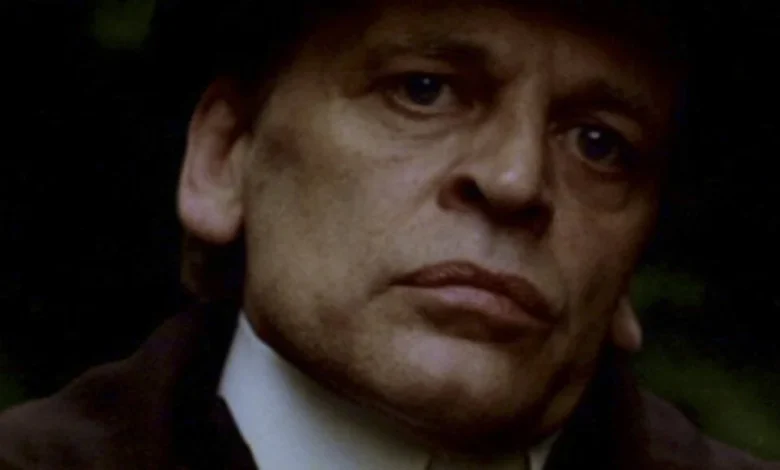
History’s most infamous unidentified serial killer is returning to the gaslit fog of late-19th-century London, this time embodied by the volatile and intense screen presence of Klaus Kinski. Specialty home-video distributor Cauldron Films has officially announced the worldwide 4K Ultra HD debut of Jack the Ripper, Spanish provocateur Jesús “Jess” Franco’s gritty, blood-soaked 1970s interpretation of the notorious Whitechapel murders. Scheduled for release on December 15, the title will arrive as a Limited Edition Slipbox 4K UHD and Blu-ray combo pack, anchored by a brand-new 4K restoration sourced directly from the original camera negative.
This comprehensive release brings one of European exploitation cinema’s most notorious titles into the modern high-definition era, offering collectors and film historians a definitive presentation of a movie that has long lived in the shadowy corners of cult film fandom.
Narrative Premise and Plot Overview
Set against the brooding backdrop of late-Victorian London, Jack the Ripper plunges audiences directly into a Whitechapel district gripped by unmitigated terror. A string of savage, ritualistic killings targets the neighborhood’s most vulnerable demographic: impoverished sex workers. The escalating brutality places immense pressure on local law enforcement, sparking a relentless manhunt.
Andreas Mannkopff stars as Inspector Selby, an investigator who grows pathologically obsessed with bringing the elusive murderer to justice before the body count rises further. However, the psychological stakes of the investigation skyrocket when Selby’s girlfriend, Cynthia—portrayed by Josephine Chaplin—unwittingly finds herself drawn directly into the killer’s deadly orbit. This narrative pivot transforms a standard historical procedural into a tense, claustrophobic cat-and-mouse game, blending the investigative mechanics of a police procedural with the personal dread of a domestic thriller.
Production History and the Franco-Dietrich Partnership
The 1976 feature represents a specific, highly productive era in the eclectic career of director Jesús Franco. During the 1970s, Franco forged a prolific partnership with Swiss producer Erwin C. Dietrich, a collaboration that yielded numerous genre films across horror, exploitation, and erotic cinema. Operating outside major studio systems, this creative pairing allowed Franco considerable artistic freedom to execute his distinct visual and narrative sensibilities.
In Jack the Ripper, Franco successfully married the traditional aesthetics of classic European Gothic horror—characterized by moody gaslit streets, rich period trappings, and an oppressive, creeping dread—with his own trademark taste for graphic violence, sleaze, and exploitation. Rather than producing a straightforward historical biopic or a prestige television-style period piece, Franco and Dietrich constructed a uniquely Euro-trash interpretation of the enduring Ripper mythos. In this cinematic universe, authentic Victorian atmosphere collides head-on with the permissive, explicit appetites of 1970s continental European exploitation cinema.
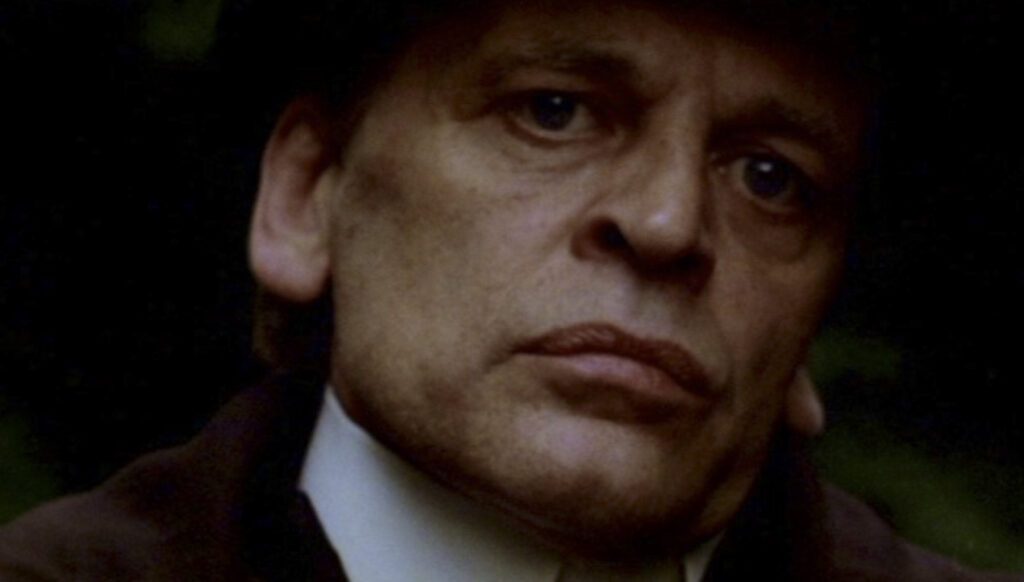
The film’s atmospheric intensity is heavily anchored by its lead performance. Klaus Kinski, known worldwide for his turbulent collaborations with Werner Herzog and his ability to project unhinged volatility, delivers a coiled, deeply unsettling portrayal of the title character. Kinski is supported by a robust international cast that includes character actor Herbert Fux and Franco’s longtime romantic and creative muse, Lina Romay. Together, the ensemble elevates the picture from a standard exploitation quickie into a fascinating artifact of 1970s European genre filmmaking.
Technical Specifications and Restoration Details
For its upcoming physical media debut, Cauldron Films has gone to significant lengths to ensure the presentation honors the source material. The two-disc home video package has been meticulously restored from a native 4K scan of the original 35mm camera negative, supplemented by the best surviving archival print materials to fill in any damaged frames.
The 2160p video presentation features Dolby Vision High Dynamic Range grading, while remaining fully compatible with standard HDR10 setups. This dynamic range upgrade is expected to enhance the film’s stark chiaroscuro lighting, emphasizing the deep shadows of Whitechapel and the lurid reds of the production’s trademark practical gore effects.
Audio options include English language tracks presented in 5.1 surround sound, 2.0 stereo, and 2.0 mono configurations, catering to both purists and home theater enthusiasts. Optional English SDH subtitles will also be included. To contextualize the feature for contemporary viewers, the release includes a newly recorded audio commentary track featuring film historians and critics Ryan Verrill and Dr. Will Dodson, who dissect the production’s troubled history, its thematic underpinnings, and its critical standing within Franco’s vast filmography.
Physical Release Contents and Packaging
True to Cauldron Films’ reputation among physical media collectors, the Limited Edition release of Jack the Ripper features a comprehensive suite of physical bonus items housed in a rigid, custom-designed slipcase.
The outer packaging showcases brand-new, original illustrations created by artist Adam Perocchi of Readful Things. In addition to the physical discs, the package includes a collectible folded theatrical poster and a comprehensive, full-color booklet. This publication features exclusive liner notes and critical essays authored by film scholars Dr. Stella Marie Gaynor and Howarth, providing academic and historical context to the film’s production and cultural impact.
Chronology of the Whitechapel Murders and Cinematic Adaptations
The real-life events that inspired Franco’s 1976 feature occurred between August and November 1888, when at least five women—known as the "canonical five"—were brutally murdered in the impoverished Whitechapel district of East London. Despite extensive police investigations, political fallout, and more than a century of amateur sleuthing, the identity of Jack the Ripper has never been definitively established. This enduring historical mystery has transformed the moniker into a global cultural archetype, inspiring hundreds of literary works, documentaries, and cinematic adaptations over the last 135 years.
Cinematic interpretations of the Ripper legend began in the silent era, most notably with Alfred Hitchcock’s 1927 thriller The Lodger: A Story of the London Fog. Over subsequent decades, filmmakers approached the subject matter through various lenses, ranging from the atmospheric Universal horror styling of 1944’s The Lodger to Bob Fosse-adjacent musical interpretations and sleazy 1970s exploitation thrillers.
Jesús Franco’s 1976 entry stands as one of the most eccentric cinematic explorations of the mythos, trading historical accuracy for stylized Grand Guignol theatrics and psychological intensity. While contemporary true crime media emphasizes forensic rigor and victim advocacy, 1970s European exploitation cinema frequently utilized historical atrocities as blank canvases for auteur-driven stylistic experimentation.
Industry Implications and the Physical Media Market
The announcement of a 4K UHD release for an obscure 1970s European exploitation title reflects broader, ongoing shifts in the home entertainment landscape. As major Hollywood studios increasingly transition their libraries to subscription streaming services, boutique physical media labels have carved out a lucrative, stable niche by catering to dedicated cinephiles, collectors, and fans of cult cinema.
Companies like Cauldron Films, Arrow Video, Vinegar Syndrome, and Second Sight have demonstrated that significant consumer demand exists for high-end, curator-driven physical releases of marginalized, out-of-print, and exploitation cinema. By investing in archival-grade 4K restorations, extensive packaging design, and newly commissioned scholarly commentary, these boutique distributors elevate historical exploitation films from bargain-bin curiosities to preserved cinematic artifacts.
The inclusion of Jack the Ripper in the 4K UHD format validates the enduring commercial viability of Jesús Franco’s work. Though frequently dismissed by contemporary mainstream critics of his era, Franco was undeniably one of the most prolific directors in European film history, completing nearly 200 feature films across multiple genres. Modern rediscovery campaigns have increasingly re-evaluated his filmography, recognizing distinct stylistic flourishes, atmospheric mastery, and a singular commitment to transgressive filmmaking.
As physical media continues to function as a vital preservation tool for cinema history, releases like Cauldron Films’ upcoming package ensure that even the grittiest corners of international genre filmmaking receive technical preservation and historical contextualization. Jack the Ripper is scheduled to slash its way onto 4K UHD and Blu-ray on December 15, inviting a new generation of horror enthusiasts to walk the fog-shrouded streets of Franco’s Whitechapel.