Ryota Takeuchi joins the cast of The Seven Knights of the Marronnier Kingdom as Saturno in episode six

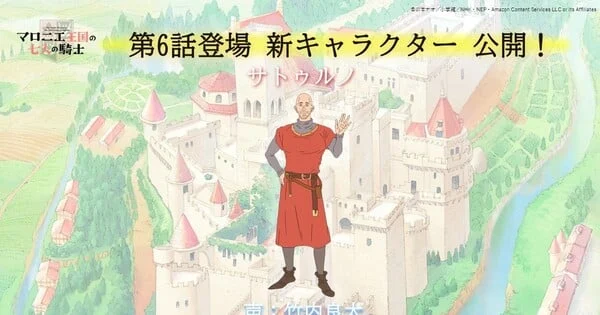
The production committee behind the television anime adaptation of Nao Iwamoto’s acclaimed fantasy romance manga, The Seven Knights of the Marronnier Kingdom, has officially announced the casting of voice actor Ryota Takeuchi. Takeuchi is set to portray the character Saturno, a pivotal addition to the narrative who makes his debut appearance in the sixth episode, scheduled to air this Saturday. This casting update serves as the latest development in a high-profile production that has garnered significant attention since its premiere earlier this autumn.
The Narrative Foundation and Character Context
The Seven Knights of the Marronnier Kingdom, known in Japanese as Marronnier Oukoku no Shichinin no Kishi, is a celebrated fantasy series that explores themes of duty, romance, and political intrigue. The story is set within a central kingdom—the Marronnier Kingdom—which acts as the geopolitical hub surrounded by seven neighboring nations. The plot revolves around seven royal brothers, each a skilled knight, who are dispatched by their kingdom as ambassadors to these surrounding lands.
The core premise of the series is a quest for connection; each brother is tasked with navigating the unique culture and challenges of their assigned territory while searching for their fated partner. The introduction of Saturno in the sixth episode represents a significant narrative milestone, as the series shifts from establishing the foundational world-building of the Marronnier Kingdom to deepening the individual arcs of its secondary cast and the complex relationships they form across borders.
Production and Creative Leadership
The adaptation is being brought to life by the veteran production studio J.C. Staff, a company well-known for its extensive portfolio of character-driven dramas and fantasy epics. The production is helmed by director Kiyoko Sayama, whose previous work includes high-profile projects such as Skip Beat!, Vampire Knight, and the second and third seasons of To Your Eternity. Sayama’s involvement has been widely cited as a primary reason for the anime’s stylistic fidelity to Iwamoto’s source material, particularly in how the show balances the intricate, delicate art style of the manga with the fluid animation requirements of a modern broadcast series.
The series composition is managed by Shinzo Fujita, who also worked on the To Your Eternity series, ensuring a cohesive thematic approach to the adaptation’s episodic storytelling. The technical side of the production features character designs by Yuriko Maeda, whose pedigree includes work on the stylized Requiem of the Rose King and the action-heavy One Punch Man television series. The sonic landscape of the kingdom is crafted by composer Yoshiaki Fujisawa, known for his work on Land of the Lustrous and Love Live!, while sound direction is handled by industry veteran Jin Aketagawa, whose credits include major hits like Dr. Stone and Fire Force.
Chronology of the Series Launch and Expansion
The trajectory of the project from page to screen has been swift and highly publicized. The initial announcement of the anime adaptation took place in June 2026, setting the stage for an October launch. The series officially premiered on the NHK Educational channel on October 3, 2026, at 6:25 p.m. JST.
Following the broadcast, the series saw an immediate international expansion via Amazon Prime Video, which secured the streaming rights for the show, providing a simultaneous release schedule and a full English dub for global audiences. This strategy aligns with current trends in the anime industry, where major distributors seek to minimize the "wait time" for international fans.
Concurrent with the anime’s launch, Viz Media moved to capitalize on the heightened visibility of the property by officially licensing the original manga. On October 1, 2026, Viz Media released the first two chapters of the series in a digital format, marking the beginning of a broader push to bring Nao Iwamoto’s work to North American readers. This cross-media strategy—pairing a streaming anime with a simultaneous digital manga release—is intended to foster a sustainable ecosystem for the franchise, allowing new viewers to explore the source material immediately after watching the broadcast.

Historical Context and Critical Acclaim
The source material, authored by Nao Iwamoto, first launched in Shogakukan’s Flowers magazine in 2016. Since its inception, the series has maintained a consistent level of critical and commercial success. A hallmark of the manga’s popularity occurred in 2018, when it claimed the top spot on the list of manga for female readers in Takarajimasha’s prestigious Kono Manga ga Sugoi! (This Manga Is Amazing!) guidebook. This annual ranking is considered one of the most influential metrics in the Japanese publishing industry for gauging reader sentiment and quality.
By the time the 11th volume of the manga was shipped by Shogakukan on June 10, 2026, the series had already solidified its status as a staple of the fantasy-romance genre. The decision to adapt the series for television reflects the ongoing industry shift toward bringing long-standing, high-quality shoujo and josei-adjacent fantasy works to a wider television audience, following the success of similar genre adaptations in recent years.
Implications of the Casting and Broadcast Strategy
The addition of Ryota Takeuchi as Saturno is expected to provide a substantial boost to the series’ fan engagement. Takeuchi is a recognized talent in the industry, and his role in the sixth episode serves as a mid-season turning point. In the context of the production, adding established voice talent is often used to signal an escalation in the series’ stakes or a shift in focus toward more intense character development.
The broadcasting schedule remains robust, with the NHK Educational channel airing the series in its Friday evening slot, followed by repeat broadcasts on Sunday mornings. This dual-broadcast strategy ensures that the show reaches both a prime-time audience and a younger demographic, maximizing the reach of the intellectual property.
Industry analysts suggest that the success of The Seven Knights of the Marronnier Kingdom serves as a case study for modern franchise management. By coordinating the anime’s release with the digital licensing of the manga and utilizing a platform like Amazon Prime for global reach, the production committee has managed to maintain a high degree of momentum. The integration of international dubbing as a standard feature, rather than a delayed luxury, demonstrates how the anime industry is moving toward a unified global release model to combat piracy and satisfy demand in secondary markets.
Looking Ahead
As the series approaches its mid-point with the introduction of Saturno, audience attention is expected to turn toward how the narrative will balance the individual quests of the seven brothers with the broader political landscape of the eight kingdoms. With the manga currently spanning 11 volumes and the anime in its early stages of character introductions, there is significant potential for further seasons, provided the current broadcast performance remains consistent.
The collaboration between Shogakukan, NHK, and Amazon indicates a long-term commitment to the brand. For fans of Nao Iwamoto’s work, the arrival of this episode is more than just a casting update; it represents the continued validation of a series that has defined its genre for a decade. As the seventh brother and his companions continue their journey, the show remains a focal point for both followers of traditional manga-to-anime pipelines and new viewers drawn in by the high production values of J.C. Staff.
With the debut of Saturno this Saturday, the production team has signaled a shift in the series’ pacing, promising a more complex exploration of the relationships that define the Marronnier Kingdom. Whether this will lead to a deeper political conflict or a more personal character study remains to be seen, but the strategic rollout of content ensures that the conversation surrounding The Seven Knights of the Marronnier Kingdom will continue well into the remainder of the 2026 broadcast year.