Dark Souls 2 and 3 multiplayer servers taken offline indefinitely by FromSoftware due to critical infrastructure issues

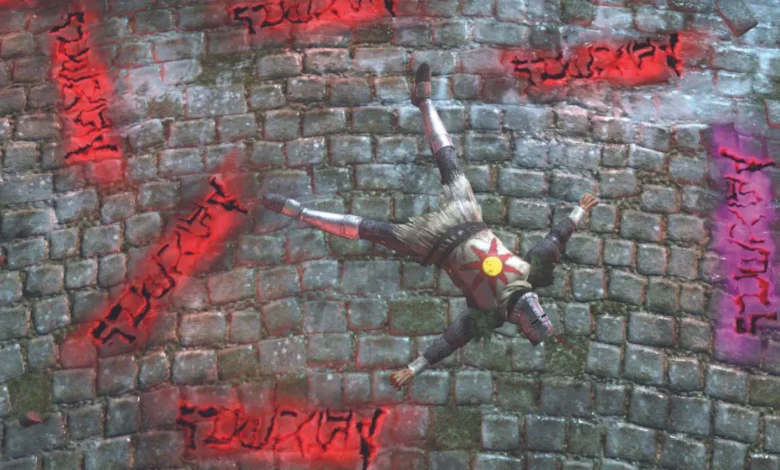
FromSoftware has officially suspended online multiplayer services for Dark Souls 2 and Dark Souls 3 across all platforms, citing unforeseen server complications. The abrupt cessation of online features—which includes player-versus-player invasions, cooperative summoning, and the iconic message system—was announced on October 30 via the company’s official social media channels. The developer has stated that these services will remain inaccessible for an indeterminate period while technical teams investigate the underlying cause of the instability.
The shutdown marks a significant disruption for the long-standing community surrounding these titles. While FromSoftware has pledged to provide an updated timeline for the restoration of services once further information becomes available, the lack of a concrete reopening date has sparked concern among the player base, particularly given the historical context of technical vulnerabilities that have plagued the franchise in recent years.
A History of Connectivity Challenges
This current outage arrives as a familiar development for veterans of the Soulsborne series. In early 2022, just weeks before the highly anticipated global launch of Elden Ring, the entire Dark Souls franchise on PC was forced offline due to a severe security vulnerability. That exploit involved a remote code execution (RCE) flaw, which, if left unpatched, would have allowed malicious actors to take control of a player’s computer through the game’s network connection.
The 2022 incident was notably more severe, leading to a months-long blackout of PC servers while FromSoftware rebuilt the security architecture for the series. However, there are distinct differences between the current situation and the 2022 crisis. First, the 2022 vulnerability was exclusive to the PC versions of the games, whereas this current issue affects all platforms, including consoles. Second, the scope is currently limited to Dark Souls 2 and 3, leaving the original Dark Souls (Remastered) and other titles largely unaffected by this specific directive. Industry analysts suggest that a multi-platform outage often points to a centralized backend or authentication server failure rather than a client-side security vulnerability, which may result in a faster resolution time than the previous, more complex security overhaul.
The Anatomy of the Outage
The technical infrastructure for the Dark Souls series relies on a combination of peer-to-peer (P2P) connections for active gameplay and centralized servers for matchmaking, bloodstains, and notes. When these servers go dark, the games shift into an "offline mode" by default. While the single-player experience remains fully functional—allowing users to complete the entirety of both games without interruption—the loss of asynchronous multiplayer elements removes a core pillar of the Souls experience.
For many players, the community-driven aspect of these games, such as reading player-written messages that provide hints or warnings about traps, is essential to the intended atmosphere. The inability to summon allies to assist with notoriously difficult boss encounters or to engage in the tactical tension of invading others significantly alters the gameplay loop. As of early November, FromSoftware has not disclosed whether the outage is the result of a cyberattack, a hardware failure, or an internal maintenance error, keeping the community in a state of speculation while they await official patches or status updates.
Community Responses and the Rise of Alternative Solutions
The reaction from the player base has been a mix of disappointment and pragmatism. On community forums such as Reddit and Discord, long-time fans have expressed frustration at the lack of transparency regarding the "server issue," while others have pointed to the resilience of the PC modding community as a viable workaround.
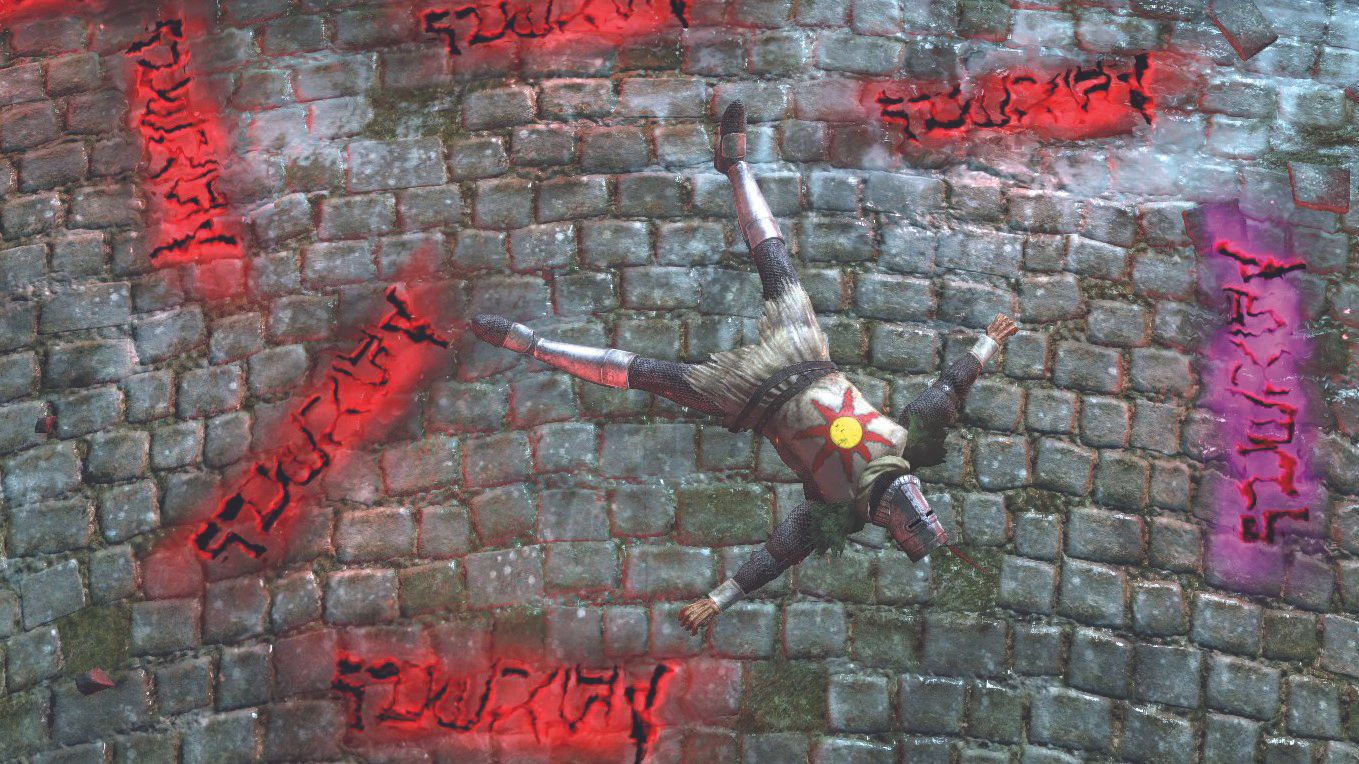
The emergence of the "Seamless Co-op" mod, developed by the modder known as Yui, has inadvertently become the most popular alternative for PC players during this downtime. Seamless Co-op operates on private, user-hosted servers, effectively bypassing the need for FromSoftware’s official network infrastructure. Following the release of the Seamless Co-op mod for Dark Souls 2 in late September—joining a long-established version for Dark Souls 3—the mod has seen a surge in downloads.
This mod fundamentally changes the multiplayer experience by allowing players to stay connected through death, boss defeats, and area transitions without the constant need for "embering" or summoning signs. By removing the limitations of the official matchmaking system, these community-led projects have provided a more stable, albeit unofficial, way for players to enjoy the games together while the developer’s infrastructure remains offline.
Broader Implications for Legacy Titles
The ongoing maintenance of older titles presents a growing challenge for game developers. As modern games move toward "live service" models, the expectation for perpetual server support for older, niche, or cult-classic titles becomes increasingly difficult to manage. FromSoftware currently manages the servers for several high-profile titles simultaneously, including the still-active and massive player base of Elden Ring, as well as Armored Core VI: Fires of Rubicon.
Industry observers note that the cost-to-benefit ratio of maintaining servers for titles that are over a decade old, such as the original Dark Souls 2 (released in 2014), is a constant point of friction. While FromSoftware has historically shown a commitment to its legacy titles that few other studios match, the frequency of these server-side interruptions raises questions about the long-term viability of official multiplayer support.
Looking Ahead
As of the latest reports, there is no verified timeline for the return of online services. The company has directed players to their official X (formerly Twitter) account for future announcements. For those currently playing, the transition to offline play or the utilization of community-developed mods remains the only way to engage with the games in the interim.
The gaming industry will likely monitor this situation closely, as it serves as a case study for the fragility of online components in single-player-focused franchises. While the games themselves are widely considered masterpieces of design, their reliance on a "always-connected" ecosystem for multiplayer means that the player experience is periodically subject to the stability of the publisher’s backend systems.
For now, the "Solaire-like" sadness of an empty, offline world continues for the thousands of players currently journeying through Drangleic and Lothric. Whether the fix takes days or weeks, the event underscores the importance of preservation and the necessity of community-driven solutions in maintaining the lifeblood of classic titles long after the developers have moved on to new, larger projects. As FromSoftware navigates the technical hurdles, the broader gaming community remains attentive, hoping for a swift restoration of the invasions and jolly cooperation that define the Dark Souls experience.