BioWare co-founder Greg Zeschuk reflects on the closure of his former studio and the shifting landscape of the gaming industry

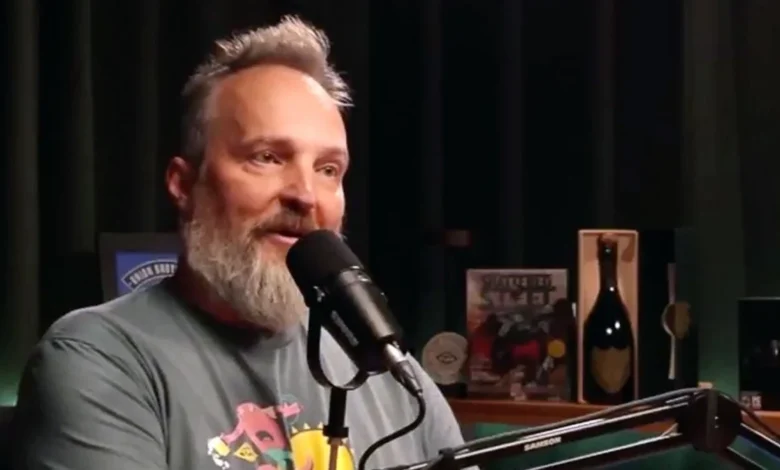
Fifteen years after departing the industry they helped define, BioWare co-founders Greg Zeschuk and Ray Muzyka have maintained a distinct distance from the world of digital entertainment. While Muzyka pivoted toward venture capital through his firm, ThresholdImpact, and academic advisory roles, Zeschuk traded the high-pressure environment of AAA game development for the craft of brewing, founding the Blind Enthusiasm Brewing Company in Edmonton. However, the recent dissolution of BioWare by Electronic Arts—a decision that signaled the end of a storied chapter in RPG history—has prompted Zeschuk to offer a rare, candid assessment of the studio’s legacy and the systemic issues currently plaguing the broader video game industry.
A Legacy of Innovation in Edmonton
The closure of BioWare represents more than just the shuttering of a corporate subsidiary; it marks the end of an era for Edmonton, Alberta. When Zeschuk and Muzyka co-founded the studio in 1995 alongside Augustine Yip, Trent Oster, Brent Oster, and Marcel Zeschuk, the gaming industry was geographically concentrated in hubs like California, Washington, and Tokyo. BioWare challenged that status quo, proving that a team of dedicated developers could produce world-class, narrative-driven RPGs from the Canadian prairies.
For over two decades, the studio served as a "beacon of hope" for local tech talent. Titles such as Baldur’s Gate, Star Wars: Knights of the Old Republic, Mass Effect, and Dragon Age did more than just sell millions of copies; they elevated the medium of interactive storytelling. Zeschuk, reflecting on the studio’s demise while on a fishing trip, noted the profound sadness of seeing that legacy extinguished. He expressed that while he had processed his own emotional detachment from the company years ago, the impact on current employees—many of whom are now navigating an increasingly volatile job market—is a source of significant concern.
Chronology of a Corporate Evolution
The trajectory of BioWare serves as a microcosm of the video game industry’s consolidation over the last two decades. To understand the current climate, one must look back at the critical milestones that shaped the studio’s identity:
- 1995: BioWare is founded in Edmonton, Alberta, focusing initially on medical software before transitioning into game development.
- 1998: The release of Baldur’s Gate revitalizes the CRPG genre, establishing BioWare as a premier developer.
- 2007: Electronic Arts (EA) acquires BioWare and Pandemic Studios for approximately $620 million, a move that promised financial stability but sparked concerns about creative independence.
- 2012: Founders Ray Muzyka and Greg Zeschuk announce their retirement from the video game industry, marking a major turning point in the studio’s leadership.
- 2012–2024: The studio experiences a period of mixed critical success, navigating the high expectations of the Mass Effect and Dragon Age franchises while facing internal challenges related to project management and "crunch" culture.
- 2024: Electronic Arts confirms the formal closure of BioWare as a standalone entity, integrating remaining assets into its broader corporate infrastructure.
The Business of "Guns and Sports"
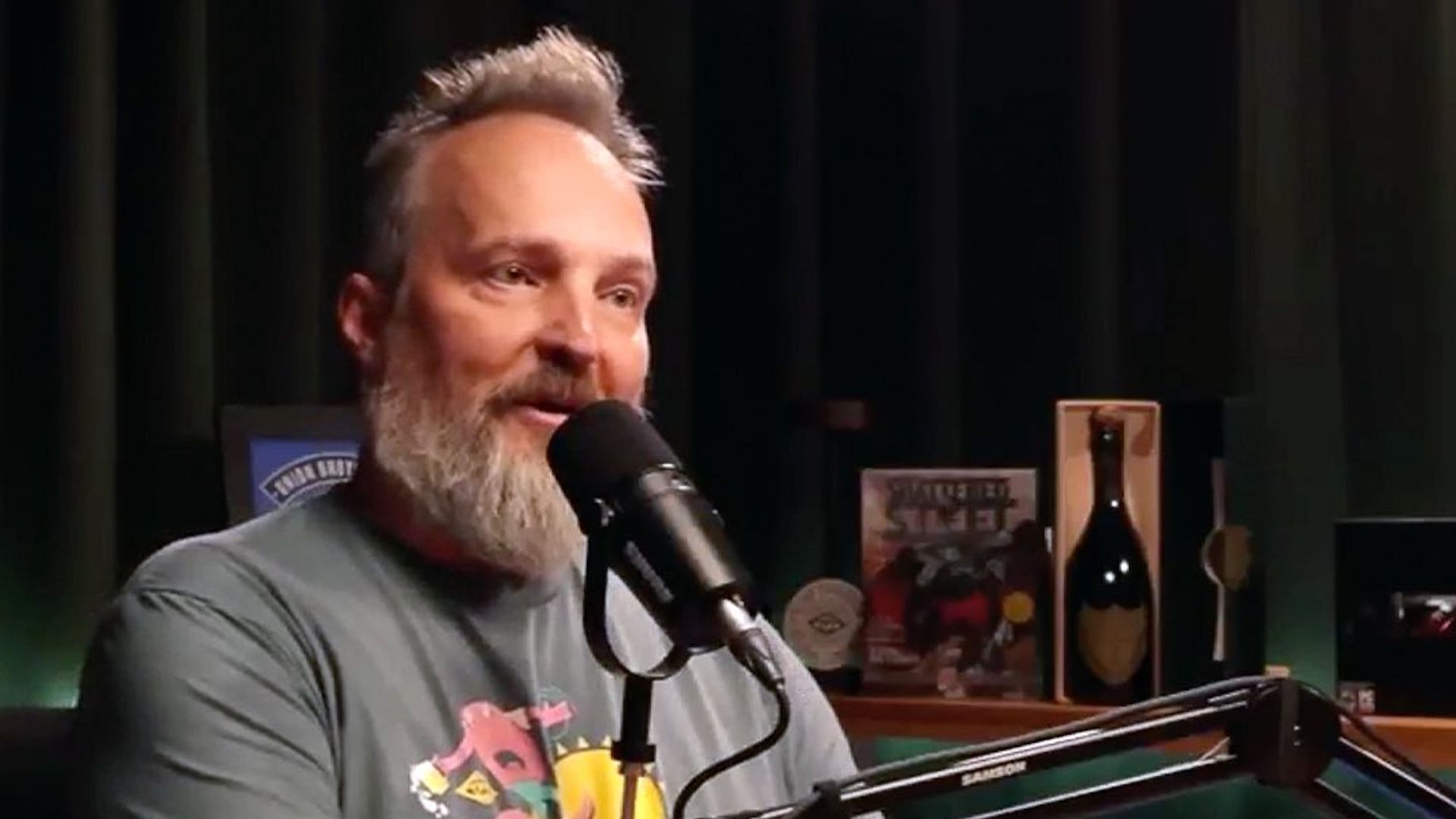
Zeschuk’s critique of the closure centers on a fundamental disconnect between the creative process of game development and the priorities of modern corporate management. He posits that BioWare’s unique identity—built on complex, long-gestation projects—often clashed with the aggressive quarterly-driven metrics preferred by parent companies like EA.
In his assessment, the industry has shifted toward a model that favors predictable, high-volume output. "BioWare makes these kind of unusual games that take a long time and they’re complicated," Zeschuk noted. "It’s easier just to pump out sports games every year, and that’s a better business model in some ways." This observation aligns with broader industry trends where "live-service" models and annual sports titles are prioritized for their reliability in generating recurring revenue, often at the expense of the labor-intensive, narrative-heavy RPGs that defined BioWare’s early success.
The Fallacy of AI and Corporate Outsourcing
Beyond the specific closure of his former studio, Zeschuk voiced skepticism regarding the current industry obsession with AI-powered development and the reliance on non-developer leadership. As studios across the globe face mass layoffs and restructuring, the narrative from corporate leadership often suggests that efficiency can be maintained through automation and generalized talent.
Zeschuk flatly rejects this premise. He argues that great games are the product of specific, human-centric vision and a deep understanding of the development lifecycle—a perspective he believes is absent in the current wave of executive management. "The other harsh reality of almost all these companies, the people that go down the business track never really come from the development track," Zeschuk stated. "Because none of these people have ever made a game… they just don’t know how it works."
Economic and Industry Implications
The closure of a studio with the historical weight of BioWare carries significant implications for the broader industry. Firstly, it signals a consolidation of power where "boutique" prestige studios are increasingly viewed as liabilities if they cannot achieve the scale of industry giants. This creates a precarious environment for mid-sized developers who rely on innovation rather than volume.
Furthermore, the "talent drain" caused by such closures is substantial. When veteran developers are pushed out of the industry due to corporate downsizing, the collective knowledge of how to build complex, high-quality interactive experiences is lost. While some talent may migrate to independent studios, the loss of a cohesive team that has worked together for years is an irreparable blow to the creative ecosystem.
A Definitive Departure
Despite his lingering connection to the people at BioWare, Zeschuk remains resolute in his decision to remain a consumer rather than a creator. He describes the process of making a game as a "crucible"—a grueling experience that demands immense personal cost and effort. Having navigated that environment for years, he views his current life as a brewer as a necessary and permanent shift.
"For me it was time to go," Zeschuk reflected. "I’m happy being a consumer and playing games. I have my opinions on how to make stuff, but as enticing as it would be, it’s just not worth the personal struggle and cost and effort required to make a great game."
As the industry moves forward, the loss of BioWare will likely be studied as a case study in the tension between creative ambition and corporate fiscal responsibility. For those who grew up playing the studio’s titles, Zeschuk’s words serve as a sobering reminder: the industry is no longer the same landscape that allowed a group of doctors in Edmonton to change the world of entertainment. Whether that evolution results in a more sustainable future for developers or a dilution of the art form remains a subject of intense debate among industry analysts and fans alike.