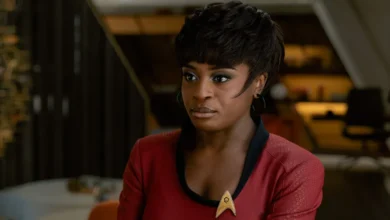
Wilson Cruz Reflects on the Legacy of Star Trek and the Future of Inclusive Storytelling at the Broadcast and Cable Hall of Fame Gala

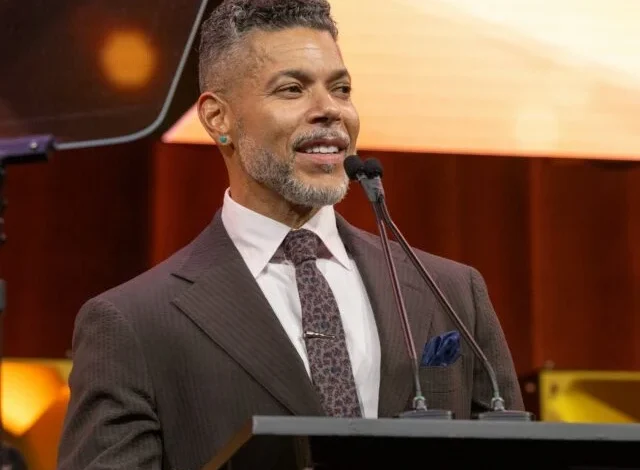
The Broadcast and Cable Hall of Fame recently served as the stage for a landmark moment in television history, as the Star Trek franchise was honored with the inaugural Franchise of the Year Award. The gala, held in New York City, brought together luminaries from across the media spectrum to recognize a property that has redefined the boundaries of science fiction for six decades. Representing the modern era of the franchise, Star Trek: Discovery star Wilson Cruz appeared on the red carpet alongside franchise icons Kate Mulgrew and Celia Rose Gooding to accept the historic accolade. The event underscored the cultural significance of the series, which has evolved from a cult television program in the 1960s into a multi-platform media empire that continues to influence contemporary discourse on diversity, representation, and social equity.
A Legacy Defined by Progress and Inclusion
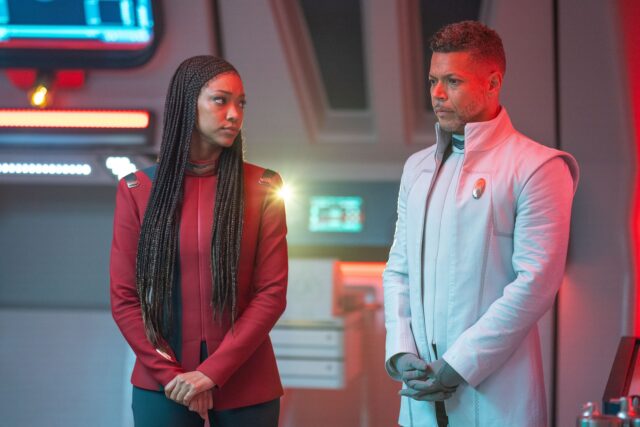
Since its inception in 1966, the Star Trek franchise has consistently used the lens of space exploration to examine the complexities of the human condition. While the original series challenged 1960s societal norms, the arrival of Star Trek: Discovery in 2017 signaled a new era of explicit inclusion. Wilson Cruz, who portrayed Dr. Hugh Culber, played a pivotal role in this transformation. Reflecting on his tenure as the franchise approaches its 10th anniversary in 2027, Cruz highlighted the importance of his character’s narrative arc.
"Dr. Culber was the patron saint of second chances," Cruz noted during the gala. As part of the first canonically gay couple in the franchise’s history, alongside Anthony Rapp’s Paul Stamets, Cruz’s character provided a blueprint for modern queer representation in mainstream science fiction. Beyond the groundbreaking nature of his identity, the character’s trajectory—surviving death and navigating the existential challenges of the 32nd century—offered a thematic exploration of human potential. Cruz emphasized that the franchise’s true value lies in its ability to force audiences to "take a second look at their ambitions" and strive for a version of themselves that benefits not only their personal lives but the greater collective.
The Landscape of the Star Trek Universe: A Chronology of Growth
The induction of Star Trek as the first-ever Franchise of the Year by the Broadcast and Cable Hall of Fame serves as a culmination of the brand’s recent revitalization. The timeline of this expansion is marked by several critical milestones:
- 1966: Star Trek: The Original Series premieres, establishing the foundational concepts of the franchise.
- 2017: The launch of Star Trek: Discovery on CBS All Access (now Paramount+) marks the return of the franchise to television after a 12-year hiatus.
- 2020: Expansion continues with the debut of Star Trek: Lower Decks and Star Trek: Picard.
- 2022: Star Trek: Strange New Worlds launches to widespread critical acclaim, further broadening the franchise’s demographic reach.
- 2026: The franchise receives the inaugural Franchise of the Year Award at the Broadcast and Cable Hall of Fame Gala, recognizing its enduring cultural and industrial impact.
The expansion of the "Star Trek Universe" under the current executive leadership has been characterized by a multi-genre approach, ranging from serialized drama to adult animation. This strategy was designed to ensure that the franchise remained relevant to younger, more diverse audiences, a goal that appears to have been validated by the sustained interest in the brand despite industry-wide shifts in streaming media.

Addressing the Cancellation of Starfleet Academy
The conversation at the gala also turned toward the recent and controversial decision to cancel the development of the anticipated Starfleet Academy project. This cancellation has sparked significant speculation within the fan community and industry circles. When asked about the abrupt end to the project, Cruz expressed a sentiment of disappointment, noting that he believed there were significant narrative opportunities left unexplored.
"My heart broke knowing that it wasn’t going to continue because I think there was a lot more story there," Cruz remarked. While he acknowledged that he lacked inside information regarding the specific internal deliberations at the studio level, he did not discount the possibility of "political" factors influencing the decision. In an era of media consolidation and shifting corporate strategies—most notably the ongoing transitions involving Paramount—the cancellation of high-profile projects has become a common, albeit contentious, reality.
Cruz’s response serves as a poignant reminder of the tension between the artistic goals of the franchise and the fiscal realities of the modern media environment. He expressed a hope that future stewards of the franchise would remain committed to the core tenet of the series: the idea that diversity is not merely a box-checking exercise, but a prerequisite for the success of any mission.
The Myth of the "Negative Voice"
During the interview, the dialogue shifted toward the vocal, often negative, online discourse that has accompanied the franchise’s recent era. Cruz, who has been an outspoken advocate for the importance of diverse storytelling, addressed the perception that the franchise faced a "concerted effort" of backlash.
He characterized the opposition as a "smaller group of people who are louder," noting that while the negativity was initially distracting, the cast and crew eventually recognized it as a minority viewpoint. Industry data supports this observation; audience retention metrics for the recent Star Trek series have consistently shown strong engagement among core demographics. The success of the franchise in attracting new subscribers and maintaining a loyal viewer base suggests that the "loud voices" of internet critics are not representative of the broader audience’s sentiment.
"I got caught up in getting angry about some of the response," Cruz admitted. "But I understood once I really kept going that there was an enormous majority of Star Trek fans that really loved the show and loved the fact that we were expanding the idea of what it could be."
Implications for the Future of the Franchise
The current state of the Star Trek universe is defined by a transition period following the Paramount merger and a general recalibration of streaming content strategies. For actors like Cruz, this transition does not dampen the desire to return to the franchise. He stated clearly that if asked to participate in future iterations of the series, he would be eager to do so, provided the content continues to challenge viewers to imagine a better, more inclusive world.
The broader implication here is the professionalization of the "legacy" actor in the modern era. Actors who have spent a decade in a franchise are no longer just performers; they are stewards of a cultural institution. Cruz’s insistence that he will "protect [Dr. Culber] at all costs" mirrors his previous work as a pioneer for LGBTQ+ characters in television, most notably as Rickie Vasquez in My So-Called Life. By connecting his current work to his past, Cruz situates the Star Trek franchise within a long-term historical narrative of social progress in American media.
Conclusion: A Lasting Cultural Anchor
The recognition by the Broadcast and Cable Hall of Fame is not merely a celebration of past achievements; it is an acknowledgement of the franchise’s resilience in an era of rapid technological and social change. As the Star Trek universe looks toward its next decade, the emphasis remains on the balance between tradition and innovation.
Whether through the legacy of characters like Dr. Hugh Culber or the high-production standards of its modern iterations, the franchise continues to function as a mirror to society. For observers of the television industry, the trajectory of Star Trek serves as a case study in how a legacy brand can successfully pivot to remain relevant while holding true to its foundational ideals. As Cruz aptly summarized, the goal is to continue to provide content that helps people see their own futures—a mission that remains as relevant today as it was when the franchise first premiered in the 1960s. With the industry currently in a state of flux, the enduring popularity of the Star Trek model offers a compelling argument for the commercial and cultural value of diverse, forward-thinking storytelling.
Related posts: