The Corporate Crossroads of Gaming: Navigating a Landscape of Mass Layoffs and Strategic Pivots


The global video game industry is currently navigating one of the most volatile periods in its half-century history, characterized by a paradoxical environment of record-breaking acquisitions and unprecedented workforce reductions. While the industry has historically been viewed as a high-growth sector capable of weathering broader economic downturns, the events of 2023 and 2024 have revealed deep-seated structural instabilities within the world’s largest publishers. From Sony’s expensive and often abortive attempts to capture the live-service market to Microsoft’s massive internal restructuring following its $69 billion acquisition of Activision Blizzard, the strategic direction of the medium is being questioned by developers, analysts, and consumers alike.

The Sony Strategy: Live Services and the Bungie Paradox
Sony Interactive Entertainment (SIE) has spent the better part of the last three years attempting to diversify its portfolio beyond the high-fidelity, single-player narratives that defined the PlayStation 4 era. This strategic pivot was intended to create recurring revenue streams through "live-service" titles—games designed to be played and monetized over several years. However, the execution of this pivot has been marked by significant financial losses and internal friction.
The most visible casualty of this strategy was Concord, a hero shooter developed by Firewalk Studios. Despite an estimated development budget exceeding $200 million and years of production, the game was shuttered just two weeks after its launch due to abysmal player numbers. This failure followed the cancellation of several other high-profile projects, including a standalone multiplayer game set in The Last of Us universe.

Perhaps the most confusing element of Sony’s strategy involves its $3.6 billion acquisition of Bungie, the creators of Destiny and Halo. Bungie was purchased specifically to act as a "north star" for Sony’s live-service ambitions, providing expertise to other internal studios. Yet, less than two years after the acquisition, Sony and Bungie leadership executed massive layoffs, gutting the Destiny 2 team even after the successful launch of The Final Shape expansion. This reduction in force has raised concerns about the long-term viability of Bungie’s upcoming project, Marathon, particularly following the recent departure of its game director.
Furthermore, Sony’s decision to move toward a digital-only distribution model by 2028 suggests a focus on maximizing profit margins by eliminating the secondary market for used games. While this aligns with quarterly balance sheet goals, it risks alienating a segment of the consumer base that relies on the resale value of physical media to fund their gaming hobby.

Microsoft and the High Stakes of Game Pass
Microsoft’s gaming division, Xbox, has undergone a radical transformation under the leadership of Phil Spencer and, more recently, Asha Sharma. The company’s strategy has centered almost entirely on Xbox Game Pass, a subscription service intended to become the "Netflix of Games." To fuel this service, Microsoft engaged in an unprecedented acquisition spree, bringing ZeniMax Media (Bethesda) and Activision Blizzard under its umbrella.
However, the gamble on Game Pass has yet to yield the explosive subscriber growth required to sustain such massive investments. Internal documents revealed during regulatory hearings suggested Microsoft aimed for 100 million subscribers by 2030, but growth has reportedly plateaued around the 34-million mark. This stagnation has led to a ruthless "efficiency" drive within the company.

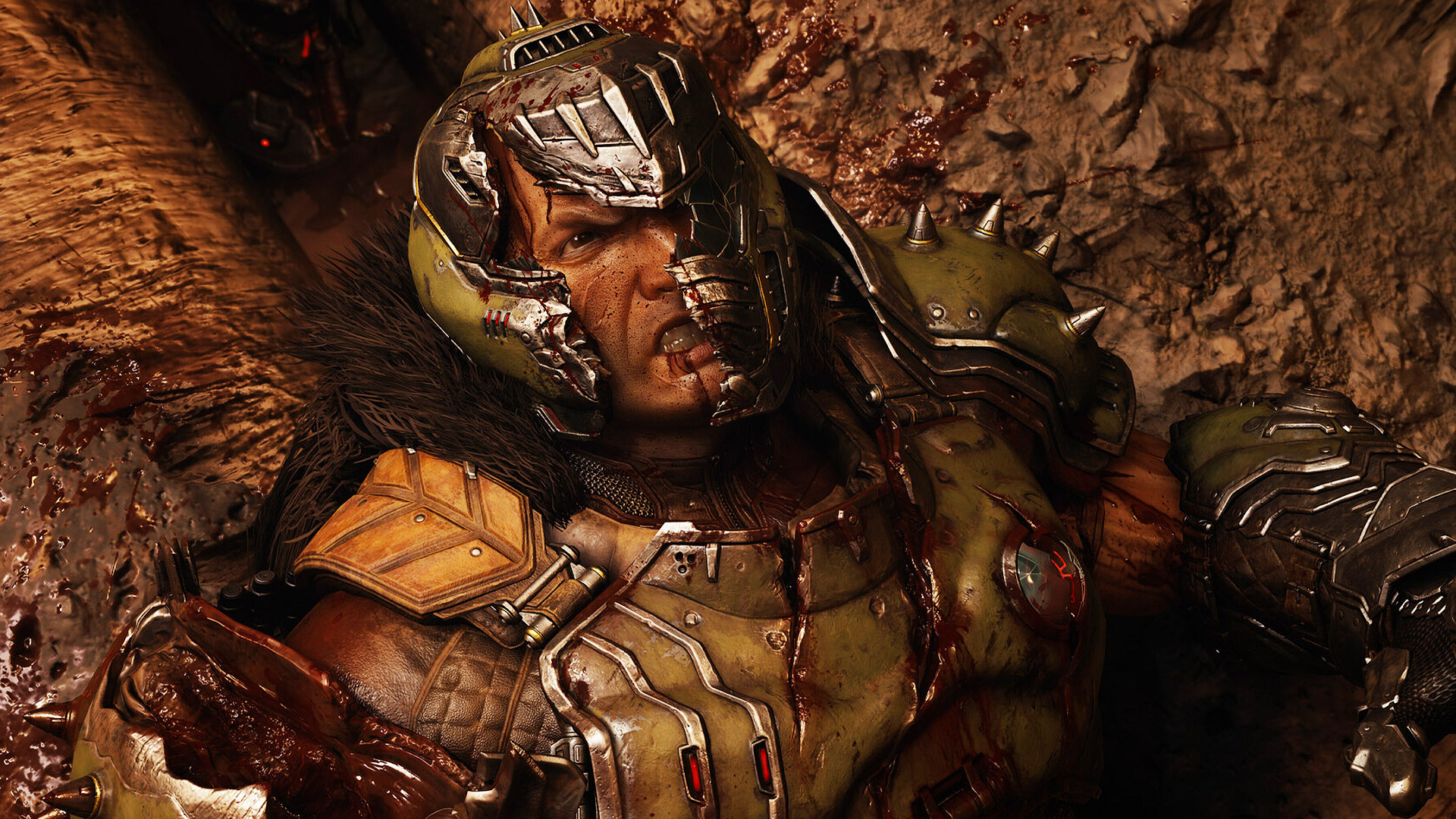
In July 2024, Microsoft announced the layoff of 1,600 employees, with plans to cut an additional 1,600 by the end of the 2027 fiscal year. These cuts have not been limited to underperforming sectors; they have hit storied institutions like id Software and ZeniMax Online Studios. The reduction of 136 staff members at id Software—the studio behind Doom and Quake—has sparked fears regarding the future of id Tech, the proprietary engine that powers many of Bethesda’s most successful titles.
The closure of Tango Gameworks in 2024 was particularly jarring for the industry. The studio’s final game, Hi-Fi Rush, was a critical and commercial success that Microsoft executives previously claimed exceeded all key performance indicators. The decision to shutter the studio despite this success suggests that "making good games" is no longer a guarantee of survival within the Microsoft ecosystem.

A Chronology of Industry Turmoil (2022–2024)
To understand the scale of the current crisis, one must look at the timeline of workforce reductions and studio closures that have redefined the industry landscape:
- Late 2022: Ubisoft initiates a "cost-reduction plan" after disappointing sales of its holiday lineup, eventually shedding 2,000 jobs over two years.
- Early 2023: Microsoft announces 10,000 corporate layoffs, with a significant portion hitting the Xbox and Bethesda divisions.
- August 2023: BioWare lays off 50 veteran developers during the final stages of Dragon Age: The Veilguard‘s development.
- October 2023: Bungie lays off approximately 8% of its workforce following a decline in Destiny 2 player retention.
- February 2024: Sony lays off 900 employees across its global PlayStation studios, including the total closure of London Studio.
- May 2024: Microsoft closes Tango Gameworks, Arkane Austin, and Alpha Dog Games.
- July 2024: Xbox announces a multi-year plan to reduce its workforce by an additional 3,200 roles.
Supporting Data: The Concentration of Playtime
Market analysis from firms such as Newzoo provides a sobering explanation for why publishers are so desperate to pivot to live services. Data indicates that in 2023, 66% of all collective playtime was spent on titles that are more than six years old. Games like Fortnite, Roblox, Minecraft, and League of Legends dominate the market, leaving very little "oxygen" for new releases.

When users spend thousands of hours in a single ecosystem, they are less likely to purchase a $70 standalone game. This has led to an "arms race" where every major publisher is trying to create their own "forever game." The result, however, has often been a series of expensive failures. Titles like Suicide Squad: Kill the Justice League (Warner Bros.) and Skull and Bones (Ubisoft) struggled to find an audience in a market already saturated with established giants.
The Human Cost and Institutional Knowledge
The long-term impact of these layoffs extends beyond immediate financial savings. The video game industry relies heavily on "institutional knowledge"—the specialized understanding of proprietary tools, workflows, and creative philosophies. When a studio like id Software or BioWare loses a significant portion of its veteran staff, the remaining team must spend months, if not years, rebuilding their momentum.
Industry analysts argue that the current cycle of "hire and fire" is contributing to the ballooning development times and budgets of modern "AAA" games. A project that might have taken four years to complete a decade ago now often takes seven or eight. When development is interrupted by mass layoffs, those timelines are extended further, creating a vicious cycle of rising costs and diminishing returns.
Models of Stability: Capcom and Larian Studios
Amidst the widespread instability, two companies have emerged as counter-examples to the prevailing corporate trend: Capcom and Larian Studios.
Capcom has enjoyed a multi-year streak of critical and commercial hits, including Resident Evil Village, Street Fighter 6, and Monster Hunter: World. Notably, Capcom has avoided mass layoffs since 2018, instead focusing on internal promotions and steady wage increases for its developers. By maintaining a stable workforce, Capcom has been able to iterate on its proprietary RE Engine, leading to faster development cycles and consistent quality.
Similarly, Larian Studios achieved generational success with Baldur’s Gate 3 in 2023. As an independent, privately-owned company, Larian was not beholden to quarterly shareholder expectations. This allowed the studio to keep the game in Early Access for three years, refining the experience based on player feedback while maintaining high employee retention. The success of Baldur’s Gate 3—a complex, turn-based RPG with no microtransactions—proved that there is still a massive market for high-quality, traditional gaming experiences that do not follow the live-service model.
Broader Implications: The Shift Toward AI and UGC
As major publishers struggle to manage the rising costs of human-led development, many are turning toward Artificial Intelligence (AI) and User-Generated Content (UGC) as potential solutions. Microsoft’s new chief strategist, Matthew Ball, is a prominent advocate for the "metaverse" and UGC-driven economies. The goal is to move toward a model where the players themselves create the content, similar to the Roblox ecosystem, thereby reducing the need for large, expensive development teams.
However, this shift remains highly controversial. Critics argue that the reliance on AI-generated assets and "gig economy" content creation will lead to a decline in the artistic integrity and technical polish that consumers expect from premium titles.

The gaming industry currently stands at a crossroads. The pursuit of "infinite growth" through live services and subscription models has led to a period of profound instability for the people who actually make the games. While the financial ledgers of companies like Sony and Microsoft may look leaner in the short term, the loss of talent and the erosion of consumer trust could have lasting consequences for the future of the medium. Whether the industry can return to a more sustainable model of development remains the most pressing question for the years ahead.
Related posts: