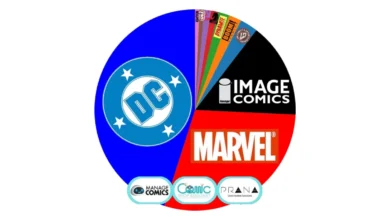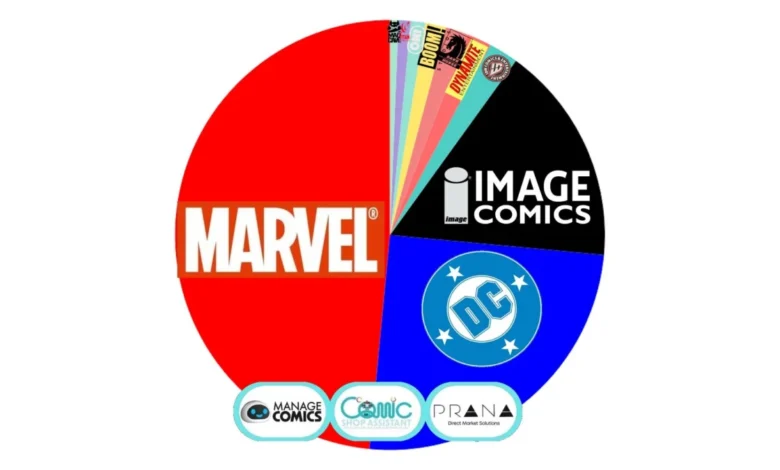
The landscape of the comic book direct market experienced a significant and rapid shift during the third week of November 2026. Following a period of tightly contested market dominance, Marvel Comics seized a commanding 48.5% share of total comic shop sales for the week spanning November 17 to November 2026. This figure places the publisher at nearly double the market share of its closest competitor, DC Comics, which captured 25% of the direct market during the same seven-day window.

The latest Point-of-Sale (POS) data illustrates a dramatic turnaround from just two weeks prior, when Marvel held only a razor-thin majority over its rivals. Furthermore, the intermediate market space saw an aggressive surge from Image Comics, which successfully pushed past the 15% threshold. This market intelligence, compiled through weekly tracking systems across the United States, highlights the volatile nature of consumer spending in local comic book shops and underlines the immediate impact of targeted publishing strategies by major comic book houses.
The Driving Forces Behind the Numbers
Industry analysts tracing the sales data from November 17 through November 23, 2026, point to specific publishing milestones as the primary catalysts for the week’s skewed market share. Marvel’s robust performance was heavily anchored by the rollout of its "Midnight Universe" second issues, which capitalized on the momentum of their initial launches to secure repeat customer traffic and strong re-orders across retail storefronts.

Conversely, DC Comics experienced a quieter release week relative to its usual heavy-hitter rotation. The publisher’s new releases were spearheaded by just a single entry from its prominent "Absolute" imprint—Absolute Flash—while major tentpole characters like Batman were largely absent from the weekly shipping manifests, save for ongoing issues of Detective Comics.
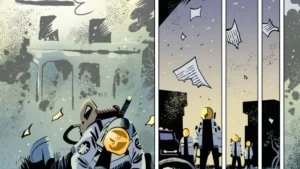
Simultaneously, Image Comics benefited from a strong showing led by breakout independent titles such as Chainkata!, which captured consumer interest and boosted the publisher’s overall footprint well north of 15%. This squeeze from both Marvel’s dominant output and Image’s high-performing creator-owned properties left DC Comics working with a significantly narrowed slice of the direct market pie.

Understanding Direct Market Data Collection
To fully contextualize these weekly market share fluctuations, industry observers rely on empirical Point-of-Sale metrics rather than initial publisher distribution estimates. The data driving these reports is gathered through comprehensive tracking mechanisms utilized by independent comic book retailers.
The weekly sales figures are aggregated from a robust sample size of over 600 comic book specialty stores operating across the United States. This information is drawn directly from store inventory and sales management software, specifically the Manage Comics and Comic Shop Assistant platforms, and is curated by Prana Direct Market Solutions.

Given that the current North American direct market comprises an estimated 1,800 to 2,000 active retail storefronts that order through traditional distribution channels, a sample size of more than 600 stores represents a statistically significant cross-section of the industry. Operating on a Monday-through-Sunday reporting cycle, this sales data provides an accurate reflection of what everyday consumers are actively purchasing off the racks, offering a transparent look at real-time retail performance.
Historical Context and Market Trends
The comic book direct market has historically experienced ebbs and flows tied directly to event scheduling, milestone issue numbers, and the strategic deployment of major brand initiatives. The late-fourth-quarter publishing calendar is traditionally a battleground where publishers position high-profile miniseries, universe-wide tie-ins, and prestige formats to capture holiday-season foot traffic and dedicated collector spending.

Marvel’s aggressive capture of nearly half the market highlights a recurring trend wherein cohesive publishing lines—such as the interconnected narratives of the "Midnight Universe"—succeed in driving multi-title purchasing habits among readers. When fans buy into a line-wide initiative, they frequently purchase multiple interconnected books in a single week, rapidly inflating a publisher’s collective market share.
DC Comics, meanwhile, has relied heavily on the rollout of its high-profile "Absolute" universe initiatives throughout late 2024, 2025, and into 2026 to restructure its line and attract lapsed readers. However, because these major initiatives operate on staggered release schedules, weeks devoid of anchor titles like flagship Batman issues naturally expose the publisher to dips in weekly retail dominance when competitors deploy heavier slates.

Retailer and Publisher Implications
The implications of these weekly shifts extend far beyond boardroom bragging rights, directly influencing inventory management, cash flow, and shelf-space allocation for independent comic shop owners.
For local retailers, a week heavily skewed toward one publisher means managing cash flow and display space to accommodate high-demand releases while balancing steady-selling independent books. When a publisher like Marvel commands nearly 50% of the sales volume in a given week, retailers must carefully forecast re-orders to avoid missing out on unanticipated breakout hits, particularly among second-issue releases that manage to retain or grow their initial readership base.

At the same time, the strong performance demonstrated by Image Comics—hovering comfortably above 15%—serves as an ongoing indicator of consumer appetite for diverse, creator-owned storytelling outside of the traditional superhero duopoly. Titles like Chainkata! prove that inventive concepts and striking visual styles can effectively challenge established cape-and-cowl properties for valuable retail wallet share.
As the industry moves deeper into the fourth-quarter retail season, publishers will undoubtedly monitor these Point-of-Sale metrics to adjust their publishing frequencies, promotional pushes, and promotional tie-ins. Whether Marvel can sustain its commanding lead or if DC and Image will reclaim ground in the coming weeks will depend entirely on upcoming holiday shipping slates and reader response to upcoming event arcs.