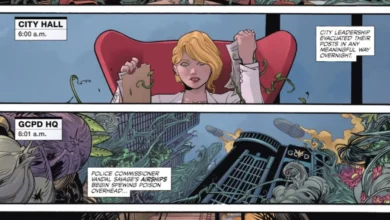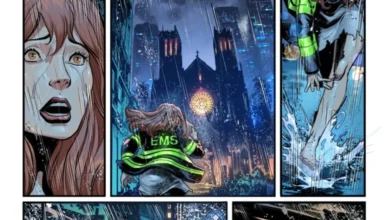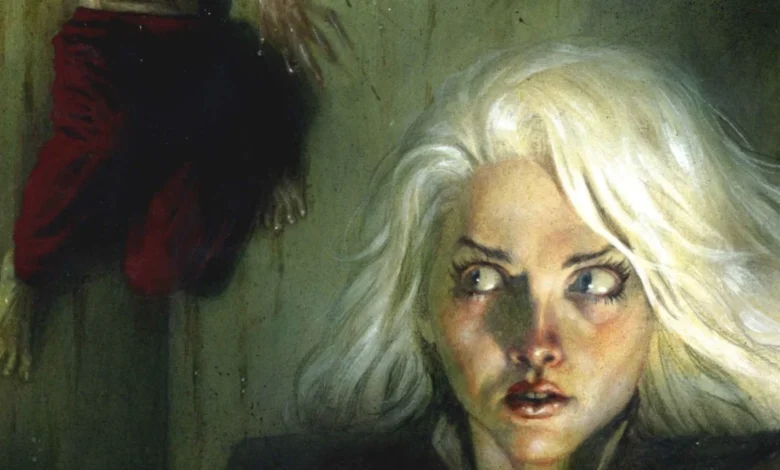
The comic book industry experienced a massive shift in retail performance over the recent sales cycle, as Marvel Comics completely eclipsed its competitors by capturing a dominant seven spots in the latest Wednesday-To-Weekend Comic Book Bestseller List. Spearheaded by the runaway success of its "Midnight Universe" publishing initiative, the House of Ideas demonstrated unprecedented strength across direct market retail stores in North America and the United Kingdom. Led by powerhouse creative teams and high-profile sophomore issues, the publisher’s dark, atmospheric line captured the imagination of Wednesday Warriors—the dedicated collectors who line up at local comic shops the moment new inventory hits the shelves.

According to sales data compiled from over one hundred participating direct market storefronts utilizing ComicHub point-of-sale (POS) systems, Marvel’s overarching event architecture proved virtually unassailable. While competitors such as DC Comics and Image Comics offered formidable titles, consumer demand remained heavily concentrated around Marvel’s serialized second issues, leaving rival publishers fighting for scraps at the bottom of the top ten.
The Midnight Universe Takes Total Control of the Charts
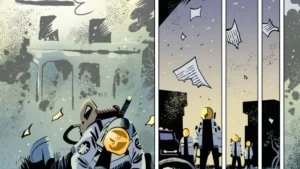
The pinnacle of last week’s sales chart was firmly seized by Phillip Kennedy Johnson and artist Scietronc’s Midnight Spider-Man #2, which claimed the number one position with a baseline index score of 100.0. Hot on its heels was Jonathan Hickman and Matteo Della Fonte’s Midnight X-Men #2, securing the second slot with a remarkable 93.4 ratio compared to the top seller. Rounding out the podium at number three was Ben Percy and Kev Walker’s Midnight Fantastic Four #2, pulling in a solid 74.8 ratio.

These figures illustrate a rare phenomenon in modern comics publishing: three books from the same thematic imprint launching simultaneous or sequential second issues that all retain massive, highly engaged audiences. Retailers reported unprecedented foot traffic specifically driven by fans seeking out the next chapter of the Midnight Universe saga, indicating that Marvel’s promotional push successfully converted initial curiosity into sustained pull-list loyalty.
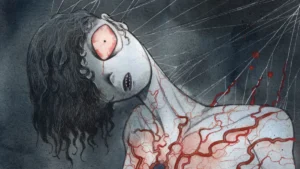
Publisher dominance extended further down the list, with Marvel securing positions five, seven, eight, and nine. Ashley Allen and German Peralta’s X-Orcists #1 debuted at a respectable fifth place with a 43.8 ratio, outperforming several high-profile launches from competing lines. Meanwhile, Jed Mackay’s prolific output remained a cornerstone of store revenue, with DNX #5 taking seventh place (24.1 ratio), Fantastic Four #19 landing at eighth (20.4 ratio), and Marc Spector Moon Knight #10 rounding out the lower tier at ninth (20.0 ratio).

Image Comics and DC Comics Fight for Retail Footprint
While Marvel commanded the numerical majority of the chart, Image Comics punched significantly above its weight class by securing the fourth overall position. Renowned creator Daniel Warren Johnson delivered a standout performance with Chainkata #1, a creator-owned launch written and illustrated entirely by Johnson. Pulling a robust 70.4 ratio at a lower cover price of $3.99, Chainkata managed to outsell nearly every Marvel challenger outside of the primary Midnight trio. Industry analysts noted that Johnson’s dedicated fanbase and distinct kinetic art style continue to make his creator-owned debuts bulletproof investments for comic shop owners.
DC Comics, conversely, faced a quieter week on the direct market sales floor, capturing only two spots within the top ten. Jeff Lemire and Haining’s Absolute Flash #21 secured the sixth position with a 28.9 ratio, acting as DC’s highest-ranking book of the cycle. Tom Taylor and Mikel Janin’s critically acclaimed Detective Comics #1115 closed out the list at number ten, achieving a 19.6 ratio. While DC continues to maintain strong performance in bookstore markets and digital platforms, these POS direct market figures suggest that weekly superhero single-issue pull lists leaned heavily toward Marvel’s event-heavy catalog during this specific reporting window.

Understanding the Data: The Wednesday Warriors Methodology
To contextualize these rankings, it is essential to examine how the Bleeding Cool Bestseller List is compiled. Unlike historical distribution metrics that relied solely on publisher shipping estimates—which frequently conflated retailer orders with actual consumer purchases—this chart is built on real-world retail point-of-sale data.
The metrics are aggregated via ComicHub, a software provider utilized by roughly 1,800 to 2,000 independent comic book shops worldwide, primarily across the United States, Canada, and the UK. For this specific weekly chart, data is filtered from a core group of 120 to 150 mid-range direct market stores. These establishments are monitored from store opening on Wednesday through the close of business on Friday, capturing the vital "Wednesday Warrior" consumer wave that typically accounts for the vast majority of a new comic’s weekly velocity.

In this ranking system, the highest-selling individual comic book of the week is designated as the 100.0 benchmark. Every other title on the chart is measured as a direct percentage of that leading book’s sales volume. This methodology provides publishers, creators, and retailers with an exceptionally accurate snapshot of consumer demand, stripping away the distortion of over-ordered speculator stock sitting idly in back rooms.
Broader Industry Implications and Retailer Reactions
The overwhelming triumph of the Midnight Universe line underscores a broader trend in the direct market: readers are increasingly drawn to cohesive, event-driven publishing initiatives that offer clear entry points across multiple familiar franchises. By clustering high-concept genre shifts—such as blending classic Marvel heroes with supernatural, darker storytelling motifs—the publisher successfully incentivized multi-title purchasing behavior. Retailers interviewed across various North American storefronts noted that customers frequently purchased all three primary Midnight books in a single transaction, explaining the tightly clustered sales ratios at the top of the chart.

At the same time, the strong performance of Daniel Warren Johnson’s Chainkata highlights the enduring viability of creator-owned books amidst corporate superhero dominance. In an era where $4.99 price points have become the industry standard for major publisher output—as evidenced by nine out of the ten top-charting books carrying that price tag—Image Comics’ ability to capture the fourth spot with a $3.99 title proves that pricing strategy and distinct artistic identity still heavily influence consumer purchasing decisions at the counter.
As the holiday retail season approaches, comic shop owners will be watching closely to see whether Marvel can sustain the staggering momentum of the Midnight Universe or if competing tentpole events from DC and Image will reclaim market share. For now, however, the direct market belongs firmly to the midnight hour.