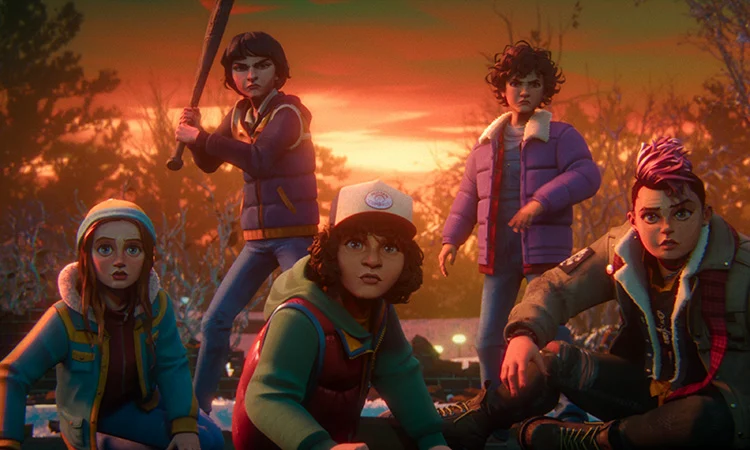
The latest animated offering from the Stranger Things universe, Stranger Things: Tales from ’85, has landed on Netflix, aiming to translate the franchise’s signature blend of nostalgic creature-feature thrills into a kid-friendly format. This spin-off series echoes the strategy of 1980s cartoon tie-ins, designed to capture a younger demographic while leveraging the established popularity of the original show. However, while Tales from ’85 succeeds in its visual and thematic homage, it struggles to fully replicate the suspense and narrative depth that have defined its live-action predecessor.
A New Chapter in Hawkins’ Animated History
Released on April 23, 2026, Stranger Things: Tales from ’85 is set against the backdrop of the winter of 1985. The series introduces the Hawkins Investigation Club, a new initiative formed by the young protagonists in the wake of a particularly harrowing encounter with a formidable creature. This development coincides with the temporary sabbatical of their beloved science teacher and AV Club mentor, Mr. Clarke. Stepping into his role is Miss Baxter, a brilliant biologist portrayed by Janeane Garafolo. Miss Baxter brings her daughter, Nikki, a punk enthusiast, into the fold. Nikki quickly integrates with the group of "fellow weirdos," embarking on a series of perilous adventures that mirror the investigative spirit of the original series. A notable subplot involves Nikki bonding with Will over music, introducing him to the vibrant and rebellious world of punk rock. This cultural immersion includes a spotlight on influential bands like X-Ray Spex, a detail that has garnered appreciation from critics and fans familiar with the era’s music scene.
The strategic decision to create an animated spin-off mirrors the marketing playbook of the 1980s. Following the immense success of the Ghostbusters films, the animated series The Real Ghostbusters was launched in 1987. This move was instrumental in expanding the franchise’s reach, introducing its supernatural lore and iconic characters to younger audiences who might not have yet engaged with the cinematic offerings. The Duffer Brothers, creators of Stranger Things, appear to have adopted a similar strategy, recognizing the broad appeal of animation in drawing in new viewers and reinforcing the loyalty of existing fans. The visual style of Tales from ’85 is described as reminiscent of Telltale Games animations, known for their distinctive character designs and narrative-driven gameplay. The series is rated PG, underscoring its accessibility for a family audience.
Voice Cast Shifts and Narrative Departures
A significant departure from the original Stranger Things series is the complete overhaul of the voice cast for the young protagonists. While Braxton Quinney delivers a commendable performance as Dustin, the changes in the vocal performances for the other core characters create an element of uncanny viewing for long-time fans. This recasting necessitates an adjustment period, as the familiar vocal inflections and nuances are absent. The show’s creators have also experimented with the iconic opening credits music, offering a fresh interpretation that aligns with the animated format.
The narrative premise of Tales from ’85 is a compelling amalgamation of classic 1980s genre tropes. The plot is described as a blend of Little Shop of Horrors, The Thing, and The Last of Us. This fusion suggests a story that balances elements of biological horror, grotesque transformations, and a desperate struggle for survival, albeit within a PG-rated framework. While the animated format allows for imaginative creature designs and fantastical scenarios, the inherent limitations of a kid-friendly approach inevitably temper the stakes and the visceral impact that characterized the original show.

Analysis: Strengths and Limitations of the Animated Adaptation
Stranger Things: Tales from ’85 presents a dual experience for its audience. For younger viewers, the series offers an engaging and accessible entry point into the Stranger Things universe. The introduction of Nikki and her burgeoning relationships, particularly her connection with Will and Eleven, serves as a narrative strength. This dynamic is reminiscent of the "The Lost Sister" episode from the second season of the original show, where Eleven experiences a period of autonomy and self-discovery away from her friends. Nikki’s punk aesthetic and her influence on Will’s musical tastes also contribute to a vibrant and culturally rich portrayal of the era.
However, for dedicated fans of the original Stranger Things, the animated spin-off may feel somewhat repetitive. The core appeal of the live-action series lies in its ability to build suspense and deliver genuine scares, often through sophisticated character development and a gradual escalation of peril. Tales from ’85, by its very nature as a PG-rated animated show, inherently sacrifices much of this suspense. Viewers are aware that the narrative will likely conclude with a resolution that is appropriate for children, thereby diminishing the element of surprise and the feeling of genuine threat. The "you already know how it’s going to end" sentiment suggests a predictable trajectory that might not satisfy those seeking the complex emotional and psychological tension of the original.
Broader Context and Potential Implications
The release of Stranger Things: Tales from ’85 signifies a strategic move by Netflix to further capitalize on the immense popularity of the Stranger Things franchise. The show’s success, with its fifth and final season reportedly in production, has cemented its status as a cultural phenomenon. By expanding into animation, Netflix aims to broaden its audience demographics and create new revenue streams through merchandise and licensing. The introduction of animated content can also serve as a bridge between seasons of the main series, keeping the franchise in the public consciousness and fostering anticipation for future installments.
The success of Tales from ’85 will likely be measured not only by viewership numbers but also by its ability to introduce the Stranger Things narrative and its underlying themes to a new generation of viewers. The inclusion of 1980s music and cultural touchstones, such as punk rock, can also serve an educational purpose, exposing younger audiences to influential aspects of that decade’s popular culture. Furthermore, the series’ narrative choices, particularly the introduction of new characters like Nikki, could potentially influence the direction or character dynamics in future live-action projects, though this remains speculative. The fact that Janeane Garafolo is lending her voice to the series also adds a layer of recognition and potential appeal to adult viewers who are fans of her past work.
The Stranger Things franchise has consistently demonstrated a keen understanding of nostalgia and its power to resonate with audiences. Tales from ’85 is the latest iteration of this strategy, offering a playful and accessible interpretation of the beloved series. While it may not deliver the same level of dread or complexity as its live-action counterpart, it provides a valuable opportunity for younger fans to engage with the world of Hawkins and its enduring mysteries. The long-term implications of this animated venture will become clearer as viewership data and critical reception solidify, but its immediate impact is to further solidify Stranger Things‘ position as a multi-faceted entertainment powerhouse. The enduring appeal of the Duffer Brothers’ creation continues to manifest in innovative ways, ensuring its presence in the pop culture landscape for years to come.