Dice Throne Digital Campaign Adjusts Tiers and Adds Features Amidst Overwhelming Kickstarter Success

The highly anticipated digital adaptation of the beloved tabletop game Dice Throne, titled Dice Throne Digital, has achieved remarkable success on Kickstarter, surpassing its initial funding goal in mere minutes and accumulating over $435,000 to date. In a move reflecting exceptional community responsiveness, the development team has announced significant adjustments to its pledge tiers, introducing more accessible entry points while simultaneously enhancing the game’s feature set with ambitious new modes and future content. These strategic changes aim to broaden the game’s appeal, ensuring that Dice Throne Digital not only meets but exceeds the high expectations of its dedicated fanbase and new players alike.
The Legacy of Dice Throne: From Tabletop Phenomenon to Digital Frontier
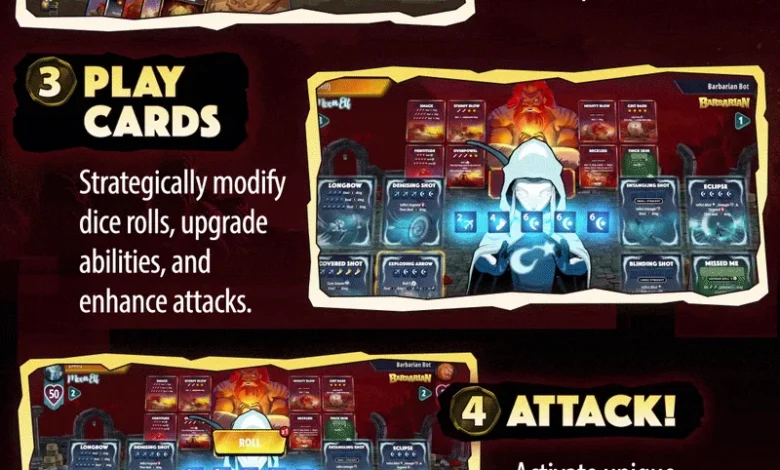
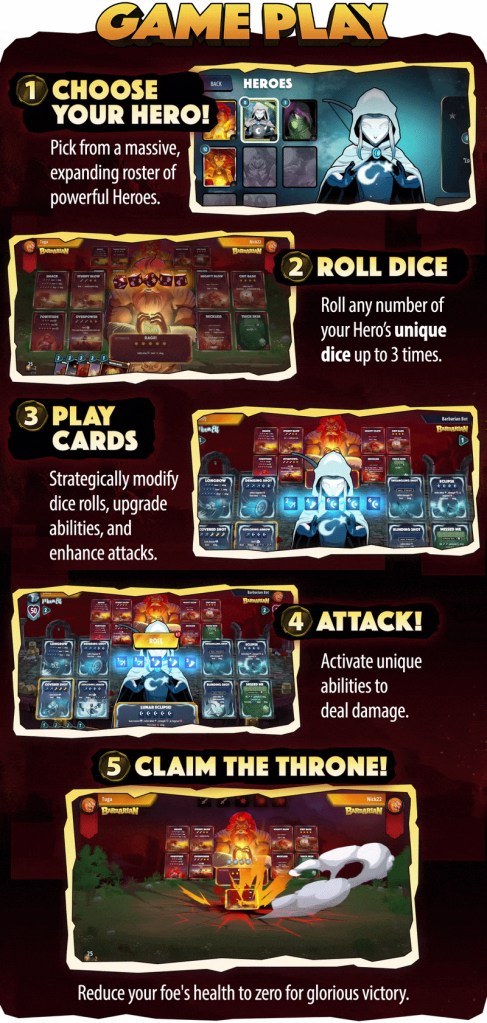
Before delving into the digital adaptation, it is crucial to understand the foundation upon which Dice Throne Digital is built. Dice Throne is a celebrated competitive dice-rolling game created by Nate Chatellier and Manny Trembley, published by Roxley Games. Since its initial release, it has captivated players with its unique blend of Yahtzee-style dice mechanics and sophisticated card-driven combat, allowing players to embody distinct heroes, each with their own set of unique abilities, dice, and playstyles. The game’s core loop involves players rolling their character’s custom dice up to three times to match symbols and activate powerful abilities, all while managing combat points and strategic card play to defeat their opponent. This engaging mix of luck and tactical depth has garnered a strong following, leading to numerous expansions, including Dice Throne Adventures and the highly popular Marvel Dice Throne.
The appeal of Dice Throne lies in its accessibility, quick playtime, and the sheer variety offered by its diverse roster of characters. Each hero feels distinct, offering unique strategies and counter-strategies, which has fostered a vibrant competitive scene and a passionate community. Given this robust foundation, the demand for a digital version has been a consistent request from fans for years. A digital adaptation promised to eliminate setup time, automate complex rules, facilitate online matchmaking, and ultimately make the game more accessible to a global audience, bypassing geographical limitations and the need for physical components. The success of other digital board game adaptations, such as Slay the Spire and Wingspan Digital, further underscored the potential for Dice Throne to thrive in the digital realm.
A Swift and Overwhelming Crowdfunding Triumph
The journey for Dice Throne Digital into the digital landscape officially began with its Kickstarter campaign, which launched to an immediate and overwhelming response. The initial funding goal of $100,000 was not just met, but obliterated within an astonishing 21 minutes of the campaign going live. This unprecedented speed highlighted the immense pent-up demand and the strong faith the community placed in the development team. As of the latest update, the campaign has amassed over $435,000, significantly exceeding its target and unlocking numerous stretch goals that promise to enrich the final product.
The rapid and substantial funding demonstrates several key factors at play. Firstly, the established reputation of the Dice Throne brand and its creators provided a strong bedrock of trust. Backers were confident that the team behind the physical game would deliver a high-quality digital experience. Secondly, the marketing and presentation of the Kickstarter campaign effectively conveyed the vision for Dice Throne Digital, showcasing compelling gameplay concepts, potential features, and a clear roadmap. Finally, the existing, passionate community of Dice Throne players rallied behind the project, eager to support its evolution and ensure its success. This level of early engagement is often a strong indicator of a project’s future viability and ability to foster a sustained player base.
Responding to the Community: Mid-Campaign Adjustments and Enhanced Value
In a move that surprised many but was widely praised, the Dice Throne Digital team announced significant adjustments to its pledge tiers mid-campaign. This decision was a direct response to community feedback, demonstrating a commitment to accessibility and player value. The team’s promptness in addressing backer concerns, particularly regarding pricing and entry barriers, is a testament to their player-centric development philosophy.
The core changes involved the introduction of two new value-focused "Release Tiers" and a reduction in the pricing of existing "Founder Tiers." This strategy aims to make the game more approachable for a wider audience, from casual players looking for a taste of the action to dedicated fans wanting to invest deeply in the game’s development.
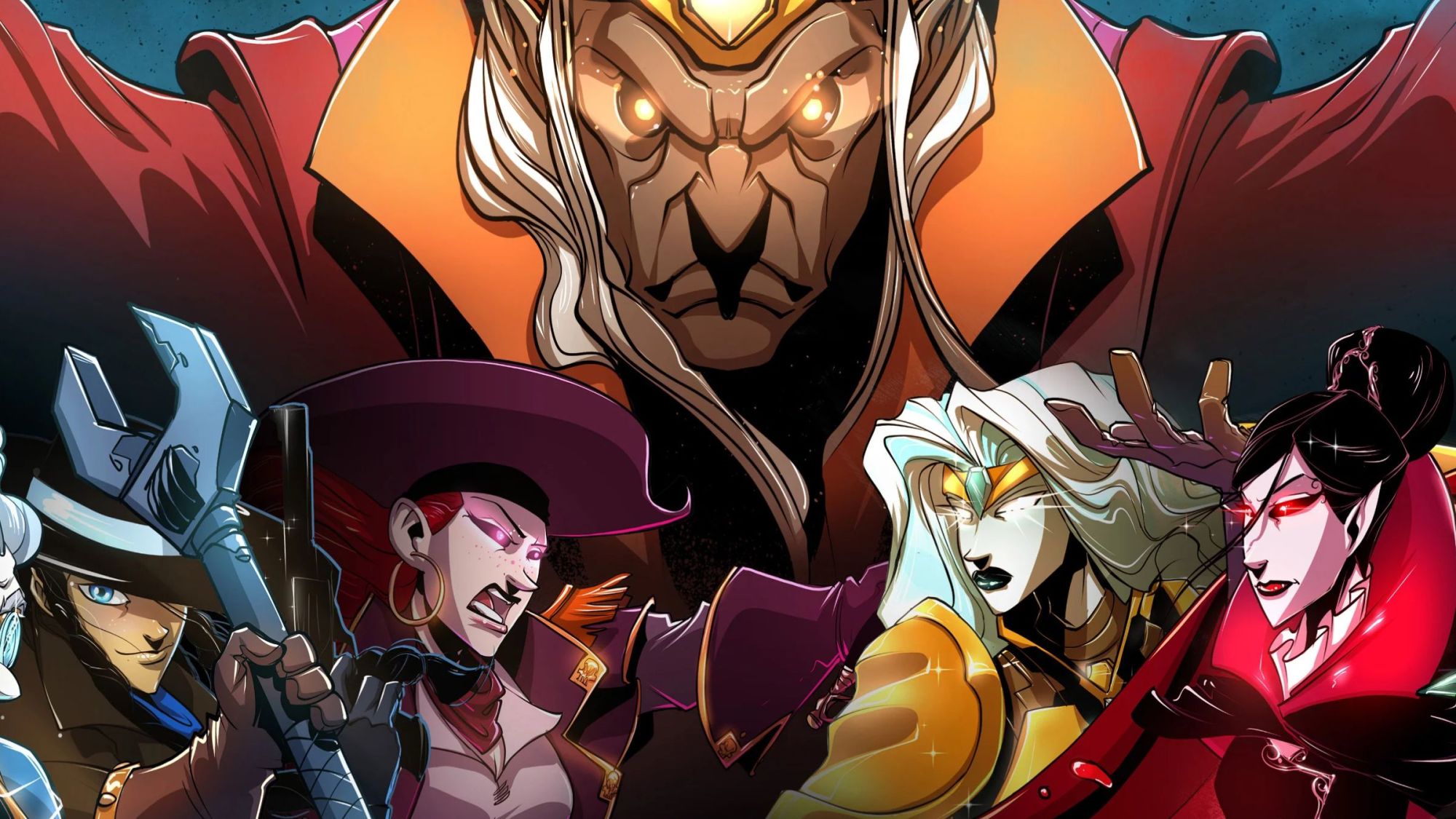
The new Release Tier 1, priced at $20, offers players a choice between two distinct bundles of four heroes each at launch. These bundles include the "Fiery Brawn Hero Pack" (featuring Barbarian, Moon Elf, Pyromancer, and Shadow Thief) and the "Strength & Spirit Hero Pack" (comprising Monk, Paladin, Treant, and Ninja). This option provides an excellent entry point for players to experience the core gameplay with a diverse set of characters. The Release Tier 2, available for $30, elevates this offering by granting access to all heroes available at launch, alongside every unlocked funding quest (stretch goals), ensuring a comprehensive day-one experience for those willing to commit a little more.
Concurrently, the prices of the more extensive "Founder Tiers" were lowered. The Gold Founder tier saw a reduction from $60 to $50, the Diamond Founder from $80 to $70, and the Ultimanium Founder from $120 to $110. These tiers are designed for players who wish to be more deeply involved in the game’s development, often granting early access, exclusive cosmetic items, and a direct line to the developers. The price reduction makes these premium tiers more attractive, acknowledging the financial commitment required and rewarding early supporters.
Nate Chatellier, Co-creator of Dice Throne and President of Nerd Ninjas, articulated the rationale behind these changes: "From the beginning, our goal has been to make the Dice Throne Digital arena a place where all fans can play together. After listening to our community’s feedback, we’ve expanded our pledge options and adjusted our pricing to make it easier for more fans to join us on this journey. Whether you’re jumping in at launch or partnering with us through our Backstage Access tiers to help build the most feature-rich version of the game possible, every backer is a vital part of the team bringing this dream to life." This statement underscores the developers’ dedication to fostering an inclusive and engaged community, positioning the game as a collaborative effort between creators and players.
Expanding the Digital Sandbox: Innovative Modes and Future Enhancements
Dice Throne Digital is not merely a direct port of its physical counterpart; it is being developed with an expanded vision that leverages the capabilities of the digital medium to introduce new gameplay experiences. While retaining the compelling core gameplay loop that defines Dice Throne, the digital version will offer innovative modes designed to enhance replayability and cater to diverse player preferences.
One of the most exciting additions is a new Roguelite campaign mode, which has drawn comparisons to the highly acclaimed deck-building game Slay the Spire. This mode promises a dynamic, procedurally generated single-player experience where players will likely embark on a series of encounters, making strategic decisions about upgrades, relics, and hero progression. The roguelite structure inherently offers immense replayability, with each run presenting unique challenges and opportunities, ensuring that players can delve into the Dice Throne universe for countless hours without repetition. This mode significantly broadens the game’s appeal beyond competitive player-versus-player combat, tapping into the growing market for engaging single-player experiences within the digital board game genre.
For competitive enthusiasts, Dice Throne Digital will feature Thronebound, a seasonal ranked 1v1 mode. This will allow players to test their skills against others, climb leaderboards, and prove their mastery of various heroes. A robust ranked system is crucial for fostering a competitive community and providing long-term engagement for dedicated players.
Beyond these announced modes, the development team has teased a roadmap of future upgrades that promise to further enrich the game. These include the implementation of offline mode, which is vital for mobile players or those with unreliable internet access, allowing them to enjoy the game anywhere. The introduction of guilds suggests a social component, enabling players to form communities, organize matches, and potentially participate in guild-specific challenges or events. The continuous teasing of additional features indicates a commitment to a live-service model, where the game will evolve and expand post-launch, keeping the experience fresh and engaging for years to come.
Personalization and Cross-Platform Accessibility
Leveraging its digital nature, Dice Throne Digital will offer extensive customization options, allowing players to personalize their heroes and in-game presence. These cosmetic enhancements include visual effects for abilities, unique hero skins, avatar frames, emotes for in-game communication, and custom card backs. Such personalization features not only enhance the player experience by allowing self-expression but also provide potential avenues for ongoing monetization and engagement, similar to popular competitive online games.
Furthermore, a critical aspect of Dice Throne Digital‘s strategy is its commitment to cross-platform play. The game is slated for release across a wide array of platforms, including Meta (suggesting mixed reality capabilities), iOS, Android, and Steam. This broad compatibility ensures that players can connect and compete regardless of their preferred device, fostering a unified and expansive player base. Cross-platform functionality is increasingly becoming a standard expectation for online multiplayer games, as it maximizes player pool size and facilitates easier matchmaking, enhancing the overall online experience. The mention of Meta also hints at potential integrations with virtual or augmented reality, pushing the boundaries of traditional digital board game interfaces.
Broader Impact and Implications for the Digital Board Game Landscape
The journey of Dice Throne Digital—from its highly successful Kickstarter to its responsive mid-campaign adjustments and ambitious feature roadmap—carries significant implications for both the Dice Throne franchise and the broader digital board game market.
For the Dice Throne franchise, this digital adaptation represents a monumental step in its evolution. It is poised to introduce the game to a vast new audience who may not typically engage with physical tabletop games, thereby expanding the brand’s reach and solidifying its presence in the gaming industry. The digital version provides a platform for continuous content updates, balance changes, and new hero releases that can seamlessly integrate into the existing ecosystem, potentially revitalizing interest in the physical game as well. The roguelite mode, in particular, offers a fresh perspective on the Dice Throne universe, allowing for narrative exploration and gameplay styles not easily achievable in the physical format. This dual presence, physical and digital, creates a symbiotic relationship that can mutually reinforce the brand’s strength and longevity.
For the digital board game market, Dice Throne Digital‘s approach sets a high bar for development and community engagement. The rapid crowdfunding success underscores the continued growth and financial viability of digitally adapted board games. More importantly, the decision to actively solicit and implement community feedback during the Kickstarter campaign is a powerful demonstration of agile development and player-centric design. This responsive model, where developers openly adjust pricing and features based on backer input, builds immense goodwill and trust, which are invaluable assets in the competitive gaming landscape. It highlights that successful crowdfunding is not just about raising capital, but about cultivating a loyal and engaged community that feels heard and valued.
Moreover, the inclusion of innovative modes like the roguelite campaign signifies a trend towards expanding beyond mere digital replication. Developers are increasingly exploring how digital platforms can enhance and transform tabletop experiences, offering new gameplay loops and narrative dimensions that are unique to the digital medium. This evolution pushes the boundaries of what a "digital board game" can be, moving towards hybrid experiences that blend traditional board game mechanics with video game genres. The commitment to cross-platform play and potential mixed reality integration also positions Dice Throne Digital at the forefront of technological adoption in this niche, indicating a forward-thinking approach to accessibility and immersion.
The projected 2026 release window allows ample time for robust development, ensuring a polished and feature-rich launch. As the campaign continues to draw support and unlock further stretch goals, the vision for Dice Throne Digital becomes increasingly ambitious and promising. The ongoing conversation on the Kickstarter page and in community forums reflects a vibrant and engaged fanbase, poised to welcome this digital evolution of a beloved classic. The success of Dice Throne Digital thus far is not just a triumph for the developers, but a beacon for the entire digital board game industry, showcasing the power of community, innovation, and responsive development.
Related posts: