
DEAD afterlife Announced from the Creator of Marketing Macabre


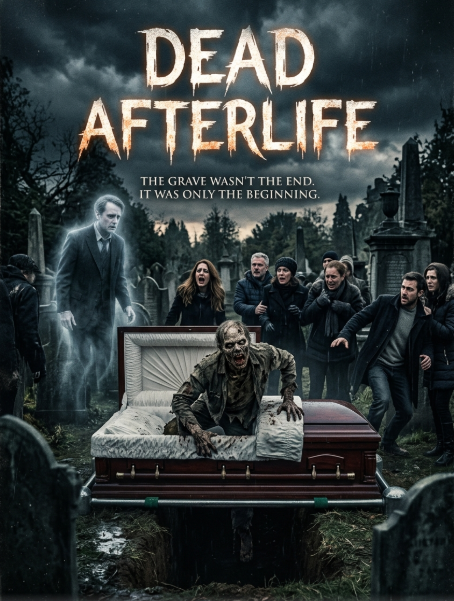
Michael Joy, a prominent figure in the independent horror film marketing landscape, has announced his significant pivot from publicist to producer with the forthcoming horror feature, DEAD afterlife. This ambitious project marks a new chapter for Joy, who has spent over a decade cultivating the careers of numerous independent filmmakers through his specialized publicity firm, Marketing Macabre. DEAD afterlife is described as a genre-bending fusion of zombie and ghost horror, promising a fresh and disturbing narrative.
A Decade of Promotion Culminates in Production
Joy’s journey into film production is a natural progression, stemming from his deep understanding of what resonates with horror audiences. Marketing Macabre has become synonymous with innovative and effective promotional strategies, often credited with launching the careers of emerging talent within the independent horror scene. The firm’s success is built on a keen eye for what makes a horror film connect, a skill Joy is now channeling into his own creative vision.
"I’ve spent the last decade helping other horror creators find their audience," stated Michael Joy in a recent press release. "With DEAD afterlife, I’m finally bringing my own disturbing visions to life, and offering proof that true originality is not dead." This statement underscores Joy’s personal investment in the project and his commitment to pushing creative boundaries within the horror genre. The film’s premise, a unique blend of supernatural and reanimated terror, suggests a departure from conventional zombie or ghost tropes, aiming for a narrative that is both familiar and strikingly original.
Funding and Fan Engagement: The Kickstarter Initiative
Currently, DEAD afterlife is in its crucial final funding phase, leveraging the power of crowdfunding through a dedicated Kickstarter campaign. This approach not only seeks financial backing but also actively engages the horror community, offering supporters an opportunity to become intimately involved in the filmmaking process. The campaign features a range of exclusive perks designed to appeal to dedicated fans, including the chance to have on-screen deaths named after them and access to professional publicity packages, allowing them to experience the film’s promotional journey firsthand.
Kickstarter campaigns for independent films have become a vital avenue for production, democratizing the filmmaking process and allowing creators to bypass traditional studio gatekeepers. For DEAD afterlife, this initiative signifies a direct connection between Joy’s vision and the audience he aims to captivate. The success of such campaigns often hinges on the compelling nature of the project and the ability of the creator to articulate their vision persuasively. The inclusion of tangible, insider-level rewards further incentivizes participation, fostering a sense of ownership and community around the film.
A Macabre Premise: The Tale of Donald Conlee
The narrative of DEAD afterlife centers on the unfortunate fate of Donald Conlee, a pharmaceutical scientist. Conlee’s demise is not merely an end but a catalyst for a uniquely horrific sequence of events. Following his murder, he becomes the unwitting recipient of his own experimental super-drug, codenamed "Awake." This drug, intended to grant a form of heightened consciousness or perhaps even extended life, instead plunges Conlee into a terrifying post-mortem existence.
The true horror unfolds when Donald’s ghost, now a spectral observer, witnesses his own funeral. In a shocking turn of events, his reanimated zombie body defies the natural order, climbing out of its coffin and proceeding to attack his former friends and family. This dual-threat scenario – a vengeful ghost and a ravenous zombie – presents a complex and potentially terrifying antagonist. The premise allows for exploration of themes related to scientific hubris, the afterlife, and the enduring bonds of family and friendship, even in the face of unimaginable horror. The juxtaposition of a ghost’s ethereal torment and a zombie’s visceral aggression offers fertile ground for innovative scares and narrative depth.
Production Timeline and Location
With the funding campaign nearing its conclusion, DEAD afterlife is poised to move into its next developmental stages. Official casting announcements are slated for May 2026, a crucial step in bringing the characters to life. Following this, principal photography is scheduled to commence in the fall of the same year. The chosen location for filming is Camden County, New Jersey, a region that has historically provided diverse backdrops for cinematic productions.
The timeline suggests a focused and efficient production schedule, aiming to capitalize on the momentum generated by the Kickstarter campaign and the anticipation for Joy’s directorial debut. The choice of Camden County may offer specific aesthetic qualities or logistical advantages that align with the film’s visual and thematic requirements. The production team will undoubtedly be working to assemble a cast and crew capable of realizing Joy’s distinctive vision for this zombie-ghost hybrid.
Industry Context and Potential Impact
Michael Joy’s transition from marketing guru to producer is a notable development in the independent horror film industry. His extensive experience in promoting films has given him unparalleled insight into market trends, audience preferences, and the crucial elements that contribute to a film’s success. By stepping behind the camera, Joy is not only pursuing a personal creative ambition but also potentially setting a precedent for other successful industry professionals.
The independent horror sector has consistently been a breeding ground for innovation, with filmmakers often operating outside the constraints of major studio systems. This environment fosters experimentation with genre conventions and narrative structures. DEAD afterlife, with its dual-threat concept, appears to be a prime example of this innovative spirit. The success of such a project could encourage further exploration of hybrid horror subgenres, potentially influencing future trends in independent filmmaking.
Furthermore, the film’s reliance on Kickstarter highlights the growing power of direct-to-fan engagement. This model not only provides essential funding but also builds a dedicated fanbase long before the film’s release, creating a built-in audience eager to support the project. For filmmakers, it represents a direct channel to their supporters, fostering transparency and a collaborative spirit.
The choice of Camden County for principal photography also warrants consideration. While New Jersey has a history of film production, specific locations within counties can offer unique visual palettes. The production may leverage the industrial, suburban, or natural landscapes of the area to create a specific atmosphere for DEAD afterlife, further enhancing its distinctive visual identity.
The industry will be watching closely as DEAD afterlife progresses through its production phases. Michael Joy’s established reputation in marketing suggests a strong understanding of how to build buzz and connect with an audience. His application of these skills to his own creative endeavor, combined with a unique genre concept, positions DEAD afterlife as a compelling project to follow within the independent horror landscape. The film’s ability to deliver on its promise of originality and terrifying entertainment will ultimately determine its impact on both the genre and the broader film industry. The success of this venture could pave the way for more established marketers to transition into producing, further enriching the diverse ecosystem of independent cinema.
Supporting Data and Industry Trends
The independent horror film market has seen significant growth in recent years. Data from various market research firms indicate a consistent demand for horror content across streaming platforms, VOD services, and niche film festivals. For instance, reports from companies like Statista show that the horror film genre consistently ranks among the top-performing genres in terms of audience engagement and revenue generation, particularly within the independent sector where lower budgets can yield high returns.
Crowdfunding platforms like Kickstarter and Indiegogo have become indispensable tools for independent filmmakers. A study published by Kickstarter itself revealed that film and video campaigns consistently attract a significant portion of the platform’s funding, with many horror projects achieving their financial goals and exceeding expectations. This trend indicates a strong investor and audience appetite for unique, passion-driven projects that might not find backing through traditional channels. The success of films like The Babadook or It Follows, which originated as independent projects with significant grassroots support, serves as a testament to the potential of this model.
The zombie genre, while often saturated, continues to retain a dedicated following. However, recent trends suggest that audiences are increasingly seeking fresh takes on established tropes. The introduction of supernatural elements, as seen in DEAD afterlife, can revitalize the genre by creating novel scenarios and expanding the possibilities for scares and narrative complexity. The ghost element adds a layer of psychological terror and ethereal dread that can complement the visceral, physical threat of a zombie.
The pharmaceutical industry and its potential for creating unintended consequences is a recurring theme in science fiction and horror. The concept of a "super-drug" gone wrong taps into societal anxieties about scientific advancement and the ethical boundaries of research. This thematic resonance can contribute to a film’s ability to connect with a broader audience beyond just genre fans.
Conclusion
DEAD afterlife represents more than just a new horror film; it signifies a strategic evolution for Michael Joy and a potential benchmark for independent filmmaking. By leveraging his decade of experience in promotion and embracing innovative funding models, Joy is poised to deliver a project that promises both commercial appeal and artistic originality. The fusion of zombie and ghost elements, coupled with a compelling narrative premise, positions the film as a noteworthy contender in the ever-evolving landscape of horror cinema. As production gears up and casting announcements loom, the industry will be keenly observing the development of this ambitious endeavor, eager to witness the manifestation of Joy’s "disturbing visions" brought to life.


