From Screen to Shelf: The Evolution and Strategic Appeal of Invincible Plush Collectibles

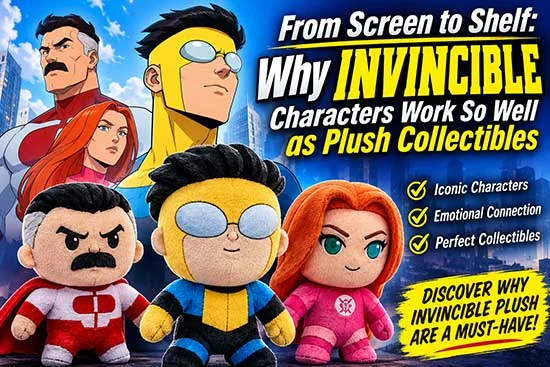
The transformation of the Invincible franchise from a seminal comic book series into a globally recognized animated powerhouse has necessitated a sophisticated merchandising strategy that transcends traditional action figures. As the brand continues to expand its footprint through Amazon Prime Video, the introduction of high-quality plush collectibles—most notably through partnerships with manufacturers like Youtooz—marks a significant shift in how intellectual property is monetized and displayed by fans. These soft-sculpted figures, typically standing at a standardized nine-inch height, represent a deliberate attempt to capture the iconic silhouettes of characters like Mark Grayson, Omni-Man, and Atom Eve in a medium that bridges the gap between high-stakes storytelling and domestic decor.
The Anatomy of Iconic Design in Animation
At the core of the Invincible aesthetic is a reliance on hyper-distinctive visual cues. In the realm of animation, character design must adhere to the principle of "readability," which ensures that a character remains identifiable regardless of their movement, distance from the camera, or the complexity of the surrounding scene. Invincible creators Robert Kirkman, Cory Walker, and Ryan Ottley meticulously crafted characters with specific color palettes, costume geometry, and hair profiles that serve as shorthand for their personalities.
When transitioning these designs into plush form, manufacturers employ a process of simplification that retains these essential markers. By prioritizing the "big shapes"—the silhouette of Omni-Man’s cape or the specific color blocking of Atom Eve’s suit—designers ensure that the plush serves as a recognizable avatar of the character. This methodology reflects a broader trend in the collectibles market where "lifestyle" items are increasingly favored over hyper-realistic statues. Data from the toy and collectibles industry suggests that adult collectors, who constitute a growing segment of the merchandise market, prefer items that integrate seamlessly into living and working spaces rather than requiring specialized display cases or intensive maintenance.
Chronology of a Merchandise Phenomenon
The rise of Invincible-themed plush merchandise coincides with the critical and commercial surge of the animated series, which debuted in March 2021. Following the show’s immediate success, the demand for physical merchandise grew exponentially, prompting a shift from traditional apparel and graphic novels to a diversified portfolio of physical collectibles.
- Early 2021: The premiere of the animated series creates an immediate demand for show-accurate character merchandise.
- 2022–2023: Strategic partnerships are solidified with boutique manufacturers. Unlike mass-market toy lines, these deals focus on "limited-run" availability to create a sense of scarcity and collectibility.
- Late 2023–2024: The introduction of plush variants begins, shifting the focus from static, hard-plastic figures to tactile, displayable plush items.
- 2025–2026: The market matures to include a mix of plushies, enamel pins, and construction sets, allowing for complex "diorama-style" displays that reflect the series’ narrative arcs.
This timeline reflects a deliberate strategy by the license holders to control supply and quality, ensuring that the brand maintains a premium status while catering to a diverse fan base ranging from younger viewers to legacy comic book readers.
The Psychology of Tactile Collectibles
The shift toward plush materials introduces a unique psychological dimension to character ownership. Invincible is, by nature, a series defined by intense conflict, graphic violence, and high-stakes moral dilemmas. Transforming characters like the formidable Battle Beast or the authoritarian Omni-Man into soft, huggable figures creates an intentional juxtaposition. This "softening" of aggressive imagery allows fans to curate a domestic environment that balances their appreciation for the series’ narrative weight with the aesthetic requirements of a modern home.
Industry analysts note that this trend—often referred to as "de-escalation through design"—has been successful for other major franchises. By presenting a dangerous antagonist in a non-threatening, 9-inch plush format, the manufacturer provides the collector with a sense of "ownership" over the character’s threat level. It is a way of domesticating the chaos of the Invincible universe, rendering the most complex or dangerous figures approachable for display on a desk, bookshelf, or bedside table.
Strategic Display and Narrative Context
A significant driver for the purchase of these items is the potential for thematic arrangement. Collectors rarely buy a single figure in isolation; they are encouraged to purchase characters that share historical or narrative ties. For example, the pairing of an Invincible plush with an Omni-Man plush allows the owner to physically reenact or memorialize the core familial tension that drives the show’s first season.
This relational collecting strategy is supported by the specific sizing of these products. At nine inches, these figures are large enough to display significant facial embroidery and costume detail, but small enough that a collection of four or five characters occupies less than two linear feet of shelf space. This efficiency is critical for modern urban living, where shelf real estate is a premium commodity. The addition of accessories—such as spinning pins or modular brick sets—further allows for a tiered display where the plush acts as the focal point, anchored by smaller, more intricate items that provide historical or contextual depth.
Industry Implications and Market Analysis
The success of the Invincible plush line is an indicator of the broader "collector-centric" shift in the toy industry. Historically, licensed merchandise was categorized as "toys for children" or "statues for enthusiasts." The current market has erased that binary, favoring high-quality, mid-price-point items that bridge the gap.
Market research indicates that the average age of a "collector" has risen significantly over the past decade. For brands like Invincible, which target a demographic that includes young adults and professionals, this means that product durability and aesthetic cohesion are more important than traditional "play features." The use of embroidered details, high-quality fabrics, and precise color-matching is not merely a production choice; it is a response to a consumer base that demands premium execution.
Furthermore, the "sold-out" status of many early releases suggests that scarcity remains a powerful tool in sustaining interest. By utilizing limited-edition windows, manufacturers can gauge interest and prevent the market saturation that often leads to retail depreciation. This model protects the long-term value of the collection, ensuring that those who invest in the series today are not seeing their collections devalued by massive, low-quality restocks in the future.
Practical Guidelines for the Modern Collector
For those looking to build or expand their Invincible collection, maintaining the integrity of these items requires a departure from standard toy storage practices. Because plush materials are susceptible to environmental factors, collectors should consider the following professional standards:
- Environmental Controls: Plush materials are highly sensitive to UV radiation. Prolonged exposure to direct sunlight will cause fading of the vibrant primary colors that define the Invincible aesthetic. Displays should be kept away from windows or treated with UV-filtering glass.
- Structural Maintenance: While the nine-inch scale provides a sturdy profile, stuffing can settle over time. Periodically rotating figures and ensuring they are not compressed by heavier objects will prevent the "flattening" effect that can ruin the silhouette.
- Visual Cohesion: When arranging figures, consider the "color-read" test. If a group of figures, when viewed from a distance of five feet, blends into a single, indistinguishable mass, the display is too crowded. Maintaining at least one inch of space between figures allows the eye to appreciate the specific costume design of each individual character.
- Verification of Authenticity: Given the prevalence of third-party knockoffs in the plush market, collectors should prioritize purchasing through authorized retail channels or direct-from-manufacturer sites. Authenticity is typically marked by high-density stitching and consistent fabric weights that cheaper alternatives cannot replicate.
Conclusion: The Future of the Invincible Brand
The evolution of the Invincible merchandise line into the realm of plush collectibles is a testament to the brand’s enduring strength. By leveraging the inherent visual language of the source material—bold colors, clear silhouettes, and complex character relationships—the franchise has successfully migrated from the page and screen into the physical lives of its audience.
As the series progresses and new characters are introduced, the potential for expanding this plush line is significant. Whether through the inclusion of the Guardians of the Globe or the expansion into more specialized, battle-damaged variants, the medium remains a versatile tool for storytelling. For the collector, the value lies not just in the object itself, but in the ability to curate a tangible piece of the Invincible universe that is both a nod to the show’s intensity and a comfortable, enduring addition to their personal space. By carefully selecting pieces that represent the most pivotal relationships and visual designs, fans are effectively building their own narrative shrines, ensuring that the legacy of Invincible remains a fixture in their homes for years to come.