
The return of the Justice League to the global stage has precipitated a fundamental shift in the international order, forcing a re-evaluation of the role of metahumans in governance and public safety. In the second chapter of the retrospective analysis of the seminal 1996 narrative Kingdom Come, the geopolitical landscape of Earth-22 reveals a world struggling to balance the desire for security with the erosion of democratic agency. As the Justice League attempts to impose order upon a chaotic generation of metahumans, they find themselves in direct conflict with traditional state structures and the clandestine, high-tech surveillance operations spearheaded by Bruce Wayne. This analysis examines the implications of self-appointed interventionism and the rise of a privatized police state in an era of unprecedented metahuman proliferation.
Chronology of Escalation: From Immigration Tensions to Global Intervention
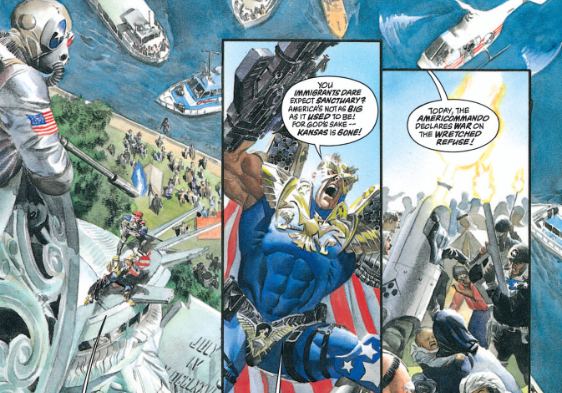
The current crisis began with a flashpoint incident at the Statue of Liberty, where the vigilante group known as the Minutemen, led by the individual known as Americommando, attempted to enforce an exclusionary policy against incoming migrants. This event, which resulted in significant collateral damage, highlighted the dangers of non-state actors wielding lethal force. The intervention by the Justice League, while effective in neutralizing the immediate threat, raised critical questions regarding the legitimacy of their presence.
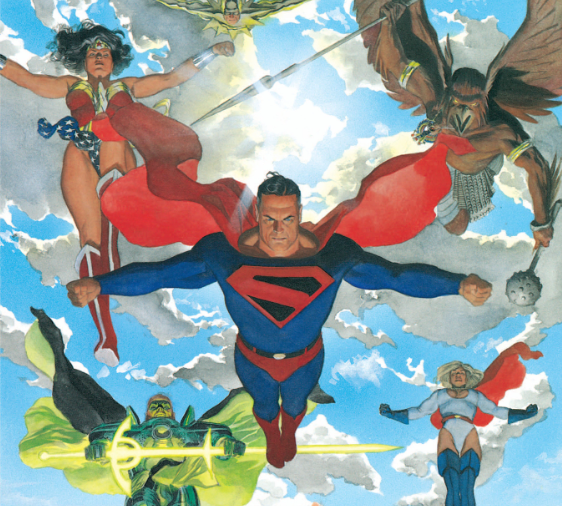
By intervening in a sovereign matter of national security, the Justice League effectively bypassed established diplomatic and legal channels. The subsequent press conference at the United Nations, during which Superman announced an intent to restore order "if necessary, with force," signaled a transition from the heroes’ previous role as public servants to that of global arbiters. This shift in posture has been met with skepticism by international leaders, who view the League’s unilateral decision-making as a direct challenge to the authority of elected governments.

The Rise of the Surveillance State in Gotham
While Superman seeks to centralize authority under the Justice League, Bruce Wayne has adopted a disparate, though equally concerning, strategy. Utilizing the infrastructure of the Bat-Cave and an expansive network of remote-controlled robotic units, Wayne has established a pervasive surveillance apparatus across Gotham City and Star City.
This model of governance relies on the collection of biometric data, persistent monitoring, and the use of automated enforcement. Unlike the Justice League’s overt display of power, Wayne’s approach operates in the shadows, creating an environment of perpetual state-managed security. This development has effectively turned Gotham into a controlled testing ground for the integration of artificial intelligence into law enforcement—a move that legal scholars argue bypasses the Fourth Amendment and other protections against unreasonable search and seizure. The implication is a transition from a society governed by law to one managed by algorithmic oversight and the discretionary judgment of a private citizen.
Economic and Political Motivations: The Role of the Mankind Liberation Front
The destabilization of the traditional criminal justice system, exacerbated by the destruction of facilities such as Arkham Asylum, Belle Reve, and Blackgate, has created a power vacuum that private entities are eager to fill. Lex Luthor’s Mankind Liberation Front (MLF) has emerged as a significant, if deceptive, player in this arena. By framing their operations as humanitarian relief efforts for the victims of the Kansas disaster, the MLF has successfully laundered its reputation while simultaneously recruiting and re-branding former inmates as "superheroes."
Data indicates that the MLF is currently responsible for approximately 8% of the new vigilante population. While this percentage may appear statistically minor, the strategic placement of these individuals has served to accelerate public distrust in metahumans. Luthor’s stated long-term goal is the total eradication of super-powered individuals from public life; however, his current tactical maneuvers suggest a willingness to use these figures to incite conflict, thereby forcing a public outcry that necessitates his specific "solution."
Comparative Analysis: The Justice League vs. The Gotham Model
The fundamental tension currently defining the global crisis lies in the divergence between two distinct ideologies of control:
- The Justice League’s Direct Interventionism: This approach is characterized by the use of overwhelming force to impose moral and social order. It relies on the charisma and status of the heroes to command compliance. The primary risk, as evidenced by the creation of the new super-prison, is the concentration of power in the hands of individuals who are not accountable to any electorate or international body.
- The Wayne-Luthor Surveillance Paradigm: This approach focuses on the mitigation of risk through data-driven control and automated enforcement. It minimizes the need for direct confrontation but maximizes the erosion of individual privacy and civil liberties.
Both models share a common failure: the exclusion of the general populace from the decision-making process. Whether through a "punch first" policy or a "monitor everything" mandate, the agency of the ordinary citizen is systematically reduced.
Official Responses and Diplomatic Stagnation
Attempts by the Justice League to engage in traditional diplomacy have largely failed. Meetings with figures such as Arthur Curry (formerly Aquaman) and representatives from the New Gods have resulted in gridlock, as the League’s mandate to "make things right" is perceived by these entities as an overreach of jurisdiction.
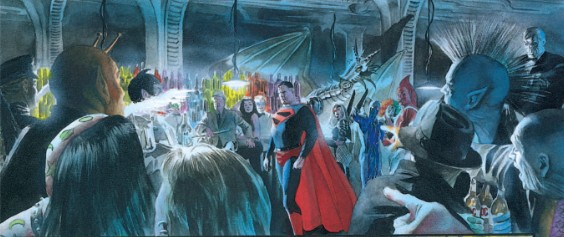
The fracture within the Justice League itself—specifically between Superman and Wonder Woman—reflects the growing impossibility of their mission. Diana’s increased reliance on lethal force and her frustration with the incompetence of the new generation of heroes suggest that the League’s internal cohesion is rapidly deteriorating. This instability is further compounded by the looming threat of Magog, whose rise to prominence a decade ago serves as the primary justification for the League’s current, more aggressive posture.
Implications for Future Governance
The emergence of a "super-prison" as a solution to metahuman criminality presents a long-term logistical and ethical hazard. By concentrating high-risk individuals in a single, isolated location, the Justice League has effectively created a single point of failure that could, if compromised, lead to a catastrophic security breach. Furthermore, the decision to maintain this facility without legal oversight or judicial review marks the end of the traditional penal process for metahumans.
The recent, unthinkable alliance between Bruce Wayne and Lex Luthor signifies a tipping point. By aligning with his long-time adversary to oppose the Justice League, Wayne has indicated that he views the League’s "order" as a greater threat than the chaos they were intended to suppress. This coalition of convenience suggests that the coming conflict will not be a simple struggle between good and evil, but a multi-faceted war for the future of the human social contract.

Conclusion: The Cost of Security
As the international community watches these developments unfold, the central question remains: at what point does the pursuit of order necessitate the sacrifice of the very principles of justice that the heroes claim to defend? The history of Earth-22 suggests that the desire for a "quick fix" to complex societal issues often leads to the creation of larger, more systemic problems.
The reliance on extraordinary individuals to manage the affairs of ordinary people has proven to be a volatile experiment. Whether it is the overt, god-like authority of the Justice League or the covert, algorithmic control of the Wayne-Luthor network, the result is the same: the disenfranchisement of the public and the centralization of power in an untouchable, unaccountable elite. The upcoming confrontations will likely serve as the ultimate test of whether humanity can reclaim its destiny or if it will permanently cede its future to those who believe they have the right to dictate it. The historical record of the past thirty years provides a sobering warning: when power is divorced from authority, the stability that follows is merely a prelude to a more profound collapse.