Nintendo Switch 2 Price Increases Spark Consumer Concern Amidst Shifting Market Conditions

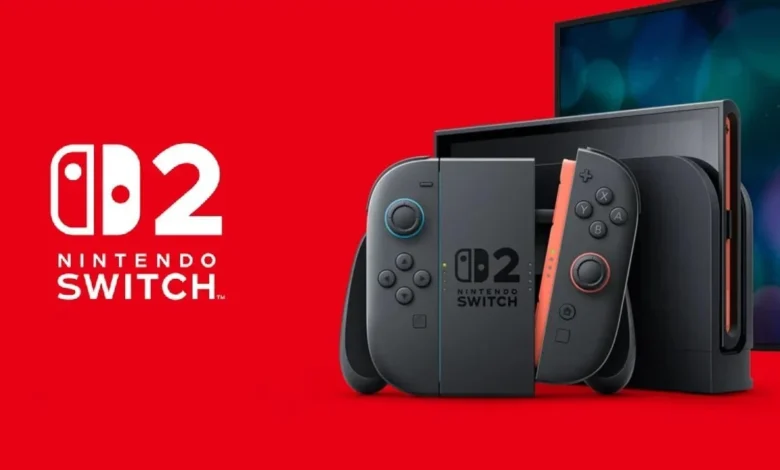
The landscape of gaming hardware pricing has seen a significant shift as Nintendo has announced a series of price adjustments for its popular Switch console line, including the successor model, the Switch 2. This move, impacting consumers across North America, Europe, and Japan, comes amidst a backdrop of evolving market dynamics, supply chain pressures, and an ongoing global economic climate that has already strained household budgets. The price hikes, set to take effect on September 1st in North America and Europe, and May 25th in Japan, have predictably generated discussions and concerns among the dedicated Nintendo fanbase.
Escalating Costs for a Beloved Console
Initially, when the Nintendo Switch experienced a price increase late last year, there was a degree of reassurance that the upcoming Switch 2 would maintain its original pricing. However, this period of price stability for the new console has proven to be relatively short-lived. Reports, notably from Polygon, confirm that the Switch 2 will see a substantial price jump of $50, bringing its new retail price to $499.99 in the United States. This adjustment is not isolated to the US market. In Europe, consumers will face an increase of €30, pushing the console’s price to €499.99. Similarly, Canadian consumers will see a CA$50 increase, resulting in a new price of CA$679.99.
The impact on Japanese consumers is particularly pronounced, as the price increases will affect both the original Nintendo Switch models and the Switch 2, with the changes beginning on May 25th. Furthermore, Nintendo Switch Online subscriptions are also slated for significant price increases, adding another layer of financial consideration for existing and prospective subscribers.
Nintendo’s Rationale: Market Conditions and Global Outlook
In explaining these price adjustments, Nintendo has cited "changes in market conditions, and after considering the global business outlook." This statement suggests a multifaceted approach to pricing strategy, influenced by factors beyond simple manufacturing costs. While Nintendo has not explicitly detailed every contributing factor, industry analysts and observers have pointed to several prevailing economic trends that likely underpin these decisions.
A significant contributing factor often cited is the ongoing global shortage of computer memory. The increased demand and limited supply of RAM and storage components, essential for modern gaming consoles, have driven up their costs. This, in turn, affects the bill of materials for hardware manufacturers like Nintendo. Moreover, broader inflationary pressures and increased shipping and logistics costs globally have also been identified as potential drivers for these price revisions. The era of consistently declining hardware prices, a trend that characterized some previous console generations, appears to be giving way to a more dynamic and reactive pricing environment.
Historical Context and Consumer Response
The original Nintendo Switch, launched in March 2017, was lauded for its innovative hybrid design, allowing seamless transitions between handheld and home console gaming. Its success was monumental, defying initial skepticism and becoming one of the best-selling consoles of all time. The anticipation surrounding the Switch 2 has been equally high, fueled by the original’s enduring popularity and Nintendo’s consistent delivery of compelling exclusive titles.
The news of price increases, however, has been met with a predictable wave of disappointment and concern from the gaming community. In an economic climate where consumers are increasingly scrutinizing discretionary spending, a $50 price hike on a premium gaming device can be a significant barrier. Online forums, social media platforms, and gaming news comment sections have been abuzz with discussions ranging from understanding the economic realities to expressing frustration over the perceived diminishing value proposition. Many consumers had hoped that advancements in manufacturing and economies of scale would lead to more accessible pricing for newer hardware, making this announcement a setback for those expectations.
Sales Projections and Nintendo’s Market Position
Despite the potential consumer backlash, Nintendo appears confident in the Switch 2’s market appeal. The company has reportedly sold an impressive 19 million units of the Switch 2 console to date. This figure places the Switch 2 in a strong competitive position, even exceeding the sales trajectory of the original Switch during its equivalent second year on the market. Projections indicate that even with a slightly lower anticipated sales figure of 16.5 million units for the next fiscal year, the Switch 2 would still maintain its lead over the original console’s performance at the same stage of its lifecycle.
This resilience in sales can be attributed to several factors. Nintendo’s unique approach to console innovation, often prioritizing gameplay experiences and unique hardware features over raw graphical power, has cultivated a loyal and dedicated fanbase. Furthermore, the company’s robust portfolio of first-party titles, such as the Super Mario and The Legend of Zelda franchises, continues to be a major drawcard, often justifying the investment in their hardware. The Switch 2, building upon the proven success of its predecessor, likely benefits from this established brand loyalty and the continuous release of highly anticipated games.
Official Statements and Apologies
In response to the impending price adjustments, Nintendo has issued official statements acknowledging the impact on its customers. A representative for the company stated, "We sincerely apologize for the impact these price revisions may have on our customers and other stakeholders, and we deeply appreciate your understanding." This acknowledgment of the potential financial strain on consumers is a standard practice in such situations. However, whether these apologies will fully assuage consumer sentiment remains to be seen. The ultimate test will be in the market’s reception and Nintendo’s ability to continue delivering compelling gaming experiences that justify the increased investment for its player base.
Broader Implications for the Gaming Industry
The Nintendo Switch 2 price increase is not an isolated event but reflects broader trends within the video game industry. The cost of developing and manufacturing high-fidelity gaming hardware has been steadily rising. Developers face increasing pressure to deliver visually stunning and technically complex games, which necessitates more powerful and thus more expensive hardware. Furthermore, the global supply chain disruptions experienced over the past few years have introduced significant volatility and cost increases for components across various industries, including electronics.
This trend could have several implications for the broader gaming market. It might lead to a greater bifurcation of the market, with premium consoles commanding higher prices, while more budget-friendly options or subscription services become increasingly attractive to a wider audience. It could also incentivize manufacturers to explore alternative materials or manufacturing processes to mitigate future cost increases. For consumers, it underscores the importance of carefully considering their purchases and prioritizing value in a market where the cost of entry for high-end gaming continues to rise.
The Nintendo Switch 2’s price adjustment serves as a clear indicator that the era of perpetually falling hardware prices may be behind us, at least for the foreseeable future. As the gaming industry navigates these evolving economic realities, consumers will likely remain vigilant, weighing the cost of new technology against the experiences it promises. Nintendo, with its unique brand strength and loyal following, is arguably better positioned than many to weather this shift, but the coming months will undoubtedly reveal the full extent of consumer reaction and market adaptation.