Studio 54 Legend Rockin Ronnie Boards Paranormal Found-Footage Horror Witchcraft: The Lanterne of Light

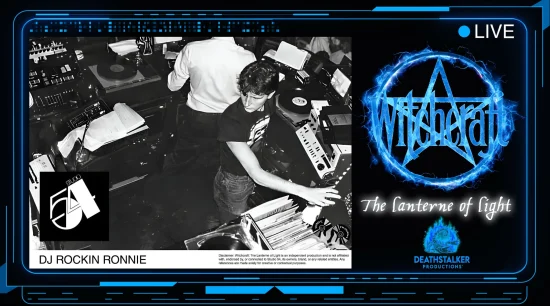
New York, NY – May 2, 2026 – In an unexpected and intriguing casting move, veteran Studio 54 DJ Rockin Ronnie has been confirmed as a participant in the upcoming paranormal found-footage horror film, Witchcraft: The Lanterne of Light. This latest installment in the long-running Witchcraft franchise aims to revitalize the series by embracing a more grounded, atmospheric, and character-driven approach to the supernatural genre, with Ronnie’s inclusion adding a unique and seasoned presence to the production.
Ronnie, a name synonymous with the vibrant and legendary nightlife of the late 1970s and early 1980s, brings an undeniable charisma and a distinct aura to the project. His background, forged in the crucible of one of the most iconic nightclubs in history, offers a stark contrast to the dark and often unsettling themes explored in horror cinema. This juxtaposition is precisely what has generated considerable buzz surrounding his involvement. He will share the screen with established genre actors Andrew Pierson, known for his work in previous Witchcraft entries and other horror productions such as A Soldier’s Descent and Return of the Living Dead: Trash’s Revenge, and Kristina Lafser, who also appeared in A Soldier’s Descent and The Last Sleepover.
Witchcraft: The Lanterne of Light is set to delve into the chilling folklore of North Carolina, focusing on a paranormal investigation team. Their mission involves documenting the shadowy legend of "The Children of the Hollow," a purportedly ancient pagan cult deeply embedded within the region’s rich and often mysterious history. As the team ventures deeper into their investigation, seeking to uncover the truth behind the cult’s enduring legacy, they find themselves drawn into increasingly perilous situations, blurring the lines between spectral phenomena and tangible danger. The film’s commitment to a found-footage aesthetic is intended to amplify the sense of realism and immediacy, allowing the audience to experience the unfolding terror through the eyes of those who are living it.
A Fusion of Eras and Genres
Rockin Ronnie’s transition from the pulsating beats of Studio 54 to the hushed dread of a paranormal investigation is a testament to the evolving landscape of filmmaking and the potential for unexpected talent to enrich diverse narratives. His formative years were spent orchestrating the soundscape of an era defined by glamour, excess, and groundbreaking music. This experience, while seemingly disparate from horror, has instilled in him a keen understanding of atmosphere, pacing, and the ability to command an audience’s attention – skills that are surprisingly transferable to the art of crafting suspense and fear.
While the specifics of Rockin Ronnie’s role in Witchcraft: The Lanterne of Light are currently being kept under wraps by the production team, his casting is a clear indicator of the film’s ambition to weave together disparate elements into a cohesive and compelling narrative. The producers appear to be leaning into the inherent intrigue of pairing a cultural icon from one sphere with the demands of another, suggesting a character-driven approach that values authenticity and unique life experiences.
Director’s Vision: Atmosphere and Authenticity
Director Carissa Pierson, who has been instrumental in shaping the direction of the Witchcraft franchise, expressed her enthusiasm for Rockin Ronnie’s inclusion, highlighting the intangible quality he brings to the film. "Rockin Ronnie brings a presence you can’t manufacture," Pierson stated. "There’s a lived-in authenticity to him that immediately adds texture to the world we’re building. The Lanterne of Light is about atmosphere, about history bleeding into the present – and his energy fits right into that."
This statement underscores the film’s emphasis on creating an immersive and believable experience. The found-footage format, when executed effectively, relies heavily on the naturalism of its performers and the palpable sense of dread that can be generated through realistic portrayals of fear and unease. Pierson’s comments suggest that Rockin Ronnie’s established persona and his unique background will contribute to this authentic portrayal, adding a layer of gravitas and perhaps even an unexpected warmth to the film’s darker themes.
The narrative’s grounding in North Carolina folklore provides a fertile ground for atmospheric horror. The region is steeped in a history of ghost stories, unexplained phenomena, and isolated communities, offering a rich tapestry of tales that can be woven into a compelling cinematic experience. The "Children of the Hollow" are a fictional construct designed to tap into these existing regional anxieties and legends, creating a sense of place that is as crucial to the horror as the supernatural elements themselves.
Franchise Evolution and Industry Context
The Witchcraft franchise, which has a history dating back to the early 1990s, has seen various iterations and approaches to its supernatural lore. Witchcraft: The Lanterne of Light represents a deliberate effort to reimagine the series for a contemporary audience, moving away from potentially dated tropes and embracing the visceral, immersive qualities of found-footage horror. This genre, popularized by films like The Blair Witch Project and Paranormal Activity, relies on its ability to make the audience question the reality of what they are seeing, often through handheld cameras, unscripted dialogue, and a pervasive sense of unease.
The inclusion of Rockin Ronnie can be seen as part of a broader trend in the entertainment industry to cast individuals with unique backgrounds and established public personas in unexpected roles. This strategy can generate significant marketing buzz and introduce a fresh dynamic to established franchises. For a film aiming to reintroduce a long-running series, such a move is a calculated risk that could pay significant dividends if the casting proves successful in capturing the intended tone and audience interest.
The production timeline for Witchcraft: The Lanterne of Light is currently in the development phase, with principal photography expected to commence later this year. The filmmakers have indicated that additional casting announcements are anticipated in the coming weeks, suggesting a comprehensive ensemble is being assembled to support the film’s narrative ambitions. The focus on "additional casting" hints at a desire to round out the paranormal investigation team with individuals who can bring a range of expertise and personalities, further enhancing the found-footage realism.
Broader Implications and Audience Reception
The success of Witchcraft: The Lanterne of Light will likely hinge on its ability to balance its unconventional casting with the core tenets of effective horror filmmaking. The found-footage genre, while popular, is also subject to scrutiny regarding its authenticity and its ability to deliver genuine scares rather than relying on jump scares or predictable plot devices. Rockin Ronnie’s presence, while a notable draw, must ultimately serve the narrative and contribute to the overall atmosphere of dread.
The film’s exploration of pagan cults and North Carolina folklore offers an opportunity to tap into a specific niche of horror fandom interested in occult themes and regional mythos. The success of films like Midsommar, which explored folk horror with a stark visual style, demonstrates a growing audience appetite for these kinds of narratives. By grounding its supernatural elements in a specific cultural and historical context, Witchcraft: The Lanterne of Light has the potential to resonate with viewers seeking a more substantive and nuanced horror experience.
Furthermore, the film’s reintroduction of the Witchcraft franchise suggests a desire to either recapture past glories or reinvent the series for a new generation of horror enthusiasts. The evolution of the franchise will be closely watched by fans of the original films and by critics of the genre alike. The strategic decision to embrace found-footage and the unconventional casting of Rockin Ronnie indicate a clear intent to differentiate this installment from its predecessors and to make a bold statement within the competitive landscape of horror cinema.
As production progresses, the industry will be observing closely to see how this unique collaboration between a disco legend and a paranormal horror film unfolds. The "Lanterne of Light" may indeed cast a new and unexpected glow on the Witchcraft saga, illuminating pathways to a fresh and compelling cinematic terror. The coming months will undoubtedly bring further details regarding the film’s production and the specific contributions of its diverse cast, offering a clearer picture of the eerie tapestry being woven by Rockin Ronnie and his new collaborators.