Producers Eric Martinez and Curt Fulster have unveiled the first chilling glimpse of their forthcoming found-footage horror feature, Last Look, a film poised to redefine the boundaries of digital dread and supernatural terror. The project, slated for a 2026 release, centers on a high-profile social media influencer whose meticulously curated online existence unravels when he stumbles upon a mysterious deck of collectible cards. These aren’t just any cards; they are instruments of escalating terror, each draw unleashing a more formidable and grotesque entity into his once-familiar surroundings. As the influencer is forced to document his descent into a nightmare for his online audience, the film promises a visceral and raw intensity characteristic of modern horror, amplified by the inherent immediacy of the found-footage format.
The Genesis of a Nightmare: From Childhood Wonder to Unforeseen Terror
The core concept of Last Look draws a fascinating parallel to the beloved childhood game Jumanji, albeit twisted into a far more sinister and lethal experience. Director A.J. Bennett, in collaboration with producers Martinez and Fulster, aimed to capture the initial sense of wonder associated with such games and then subvert it into something "unrecognizable and terrifying." This creative intention suggests a deliberate effort to tap into a primal fear of the unknown, amplified by the ubiquitous nature of influencer culture. The filmmakers’ stated goal is to immerse the audience in the protagonist’s escalating dread, creating a shared experience of anticipation for the next horrifying revelation emerging from the cards.
The narrative unfolds as the influencer, whose identity and specific platform remain undisclosed at this early stage, discovers this peculiar deck of cards. What begins as a potentially intriguing find quickly morphs into a desperate struggle for survival. His local sanctuary transforms into a hunting ground, a chilling testament to the unpredictable and destructive power unleashed by the cards. The found-footage element is crucial here, suggesting that the audience will witness the unfolding horror through the protagonist’s own lens, likely captured via his smartphone or other recording devices. This perspective inherently lends itself to a sense of authenticity and immediacy, making the terror feel more palpable and personal.
The Mechanics of Fear: The Deck of Deadly Draws
At the heart of Last Look lies the titular deck of cards, described as "battle-style collectible cards," each representing a distinct and increasingly perilous threat. The narrative structure appears to hinge on a series of draws, with each card escalating the danger and summoning a new, nightmarish entity into the protagonist’s reality. This creates a ticking clock of suspense, as the audience, along with the protagonist, anticipates the nature and severity of the next summoned horror. The film’s title, "Last Look," implies a final, climactic encounter or a definitive moment of realization, the ultimate consequence of this deadly game.
The description of the creatures as "grotesque" and "nightmarish" aligns with established tropes in the horror genre, but the unique mechanism of their manifestation through collectible cards offers a fresh narrative device. This fusion of the digital age’s obsession with collectibility and the primal fear of supernatural invasion creates a potent cocktail of contemporary anxieties. The film’s premise taps into the idea that even seemingly innocuous hobbies or trends can harbor dark secrets and unforeseen dangers.
The Digital Echo Chamber: Fame, Fear, and the Audience
The focus on a high-profile social media influencer is a deliberate and timely choice. In an era where digital fame often dictates validation and livelihood, the film explores the potentially perilous intersection of online persona and the harsh realities of survival. The influencer’s compulsion to document his terrifying ordeal for an audience underscores the pervasive influence of social media on modern life. Even in the face of mortal danger, the instinct to broadcast, to share, and to garner engagement remains. This creates a meta-narrative layer, where the audience of the film becomes, in a sense, a reflection of the protagonist’s online viewership, complicit in the spectacle of his suffering.
This element raises pertinent questions about the nature of fame, the ethics of voyeurism, and the potential for technology to both connect and isolate us. The idea that an audience "can’t look away" speaks to the addictive quality of online content, even when that content involves genuine peril. Last Look appears to be a commentary on this phenomenon, using the horror genre to explore the darker aspects of our digital existence.
A Glimpse into the Production: The Creative Team Behind the Terror
The revelation of Last Look comes from producers Eric Martinez and Curt Fulster, who have expressed their excitement and vision for the project. Their collaboration with director A.J. Bennett signifies a unified creative force aiming to deliver a distinct horror experience. The statement from the filmmakers highlights their ambition to innovate within the found-footage genre, a subgenre that has a rich history in horror, from The Blair Witch Project to Paranormal Activity.
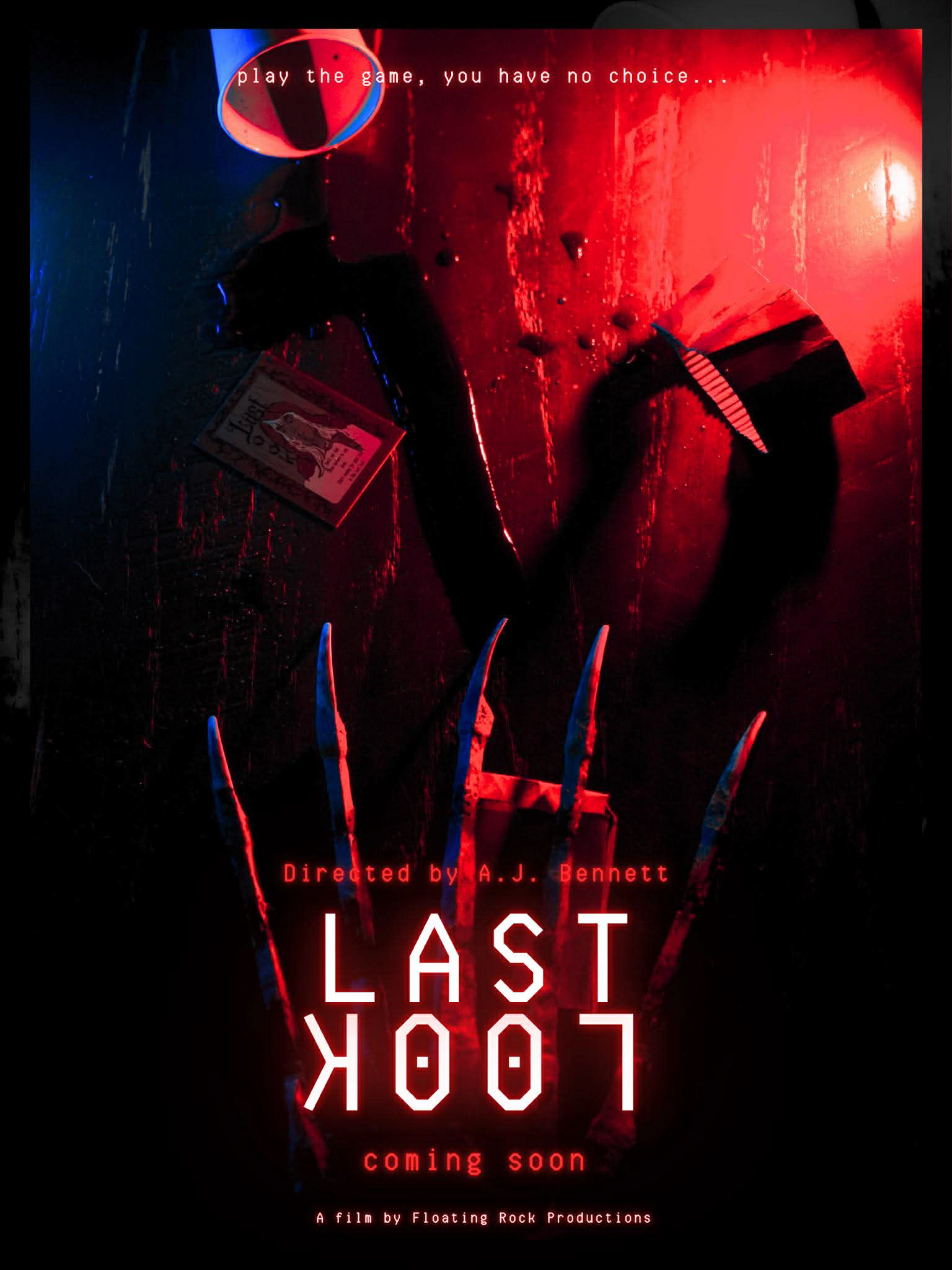
The found-footage format, while popular, can be challenging to execute effectively. It relies heavily on believability, atmospheric tension, and a compelling narrative to overcome the inherent limitations of its style. The producers’ commitment to blending "high-stakes supernatural suspense with the visceral, raw intensity of modern horror" suggests a focus on both the psychological and the visceral aspects of fear. This indicates a potential for well-crafted scares and a pervasive sense of unease that goes beyond mere jump scares.
Supporting Data and Context in the Horror Landscape
The horror genre is perpetually evolving, with new trends and subgenres emerging regularly. The found-footage subgenre, while not as dominant as it once was, continues to find new audiences when executed with originality and genuine terror. Films like Host (2020), which utilized Zoom calls for its narrative, demonstrated the continued relevance of technology-driven horror. Last Look‘s premise, combining collectible cards with influencer culture and found footage, positions it within this contemporary wave of horror that often reflects societal anxieties and technological advancements.
The market for horror films remains robust. In 2023, horror films continued to perform well at the box office, with titles like Talk to Me and M3GAN demonstrating strong audience engagement. This suggests a receptive market for well-executed, original horror concepts. The success of films that blend supernatural elements with grounded, relatable characters or situations is a recurring theme. Last Look‘s premise, with its focus on a relatable influencer and a supernatural threat rooted in a tangible object, has the potential to resonate with a broad audience.
Timeline and Anticipated Release
While specific details regarding the production timeline are not fully disclosed, the announcement of the first glimpse and the projected 2026 release date indicate that the film is in an active development and production phase. Typically, a film announced for a 2026 release would have completed significant pre-production, potentially be in or nearing principal photography, and be entering post-production stages by late 2024 or 2025. The unveiling of promotional materials, such as the poster, suggests that marketing efforts are beginning to ramp up. This phased release of information is standard practice in the film industry, designed to build anticipation and generate buzz leading up to the film’s debut.
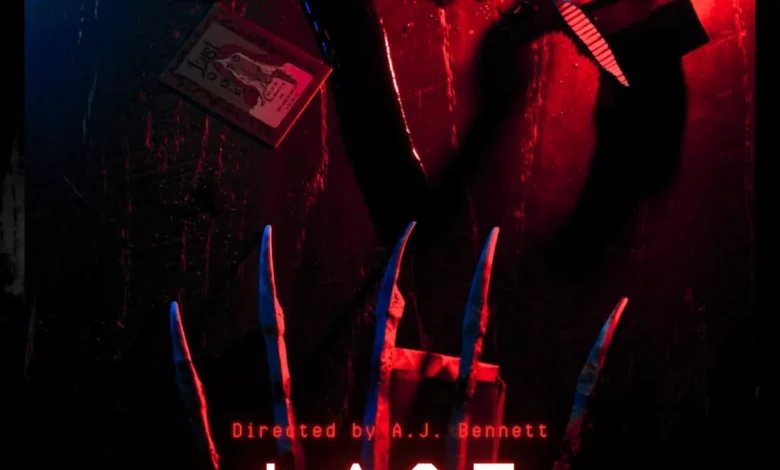
The initial announcement serves as a foundational piece of information, with further details regarding cast, specific plot points, and release dates expected to emerge closer to the film’s premiere. The presence of a promotional poster, as indicated by the embedded image, further solidifies the film’s progression in the production pipeline.
Broader Impact and Implications: The Perils of the Digital Age
The implications of Last Look‘s thematic exploration are far-reaching. In an increasingly digitized world, where online personas can overshadow real-world identities, the film’s narrative serves as a cautionary tale. The blurring lines between curated online content and lived experience are a significant aspect of modern society, and horror has always been a potent medium for exploring our deepest fears and anxieties.
The film’s potential to dissect the psychology of influencers, the pressures of maintaining an online presence, and the audience’s insatiable appetite for spectacle offers a contemporary commentary. It raises questions about the ethical boundaries of content creation and consumption, particularly when it involves genuine danger or exploitation. The found-footage format, in this context, becomes not just a stylistic choice but a narrative tool that amplifies these themes by presenting the horror in an unvarnished, immediate manner.
The success of Last Look could further solidify the trend of horror films that engage with the anxieties of the digital age. As technology continues to advance and integrate further into our lives, so too will the potential for new forms of terror to emerge, often reflecting our deepest societal concerns. The film’s premise suggests a thoughtful engagement with these contemporary issues, wrapped in the thrilling and terrifying package of a supernatural horror narrative. The producers’ ambition to create something both familiar in its roots and terrifyingly new in its execution suggests a promising addition to the horror film landscape.