Analyzing the Pivotal Missteps: Seven Decisions That Shaped Superman’s Comic Book Trajectory

Superman, the quintessential superhero of DC Comics, stands as a towering figure in global mythology. More than just a character, Kal-El, the Last Son of Krypton, is an archetype, a symbol of hope, truth, and justice that has transcended the comic book medium to become a cultural icon. While Batman may frequently outpace him in raw comic sales, Superman’s foundational status is undeniable; he paved the way for the entire superhero genre. Yet, despite his enduring legacy, the public perception and editorial direction of the Man of Steel have undergone significant shifts over the decades. Once universally regarded as the industry’s standard-bearer—the unwavering "boy scout" in red, blue, and yellow—Superman’s journey has been marked by periods where the character seemed to lose his footing amidst the changing tides of the comic book landscape. This narrative drift was not an inevitable outcome but often the result of critical editorial and creative decisions made by DC Comics.
Throughout his illustrious history, Superman has been the subject of countless acclaimed narratives, stories that have cemented his place in the pantheon of heroes. However, interwoven with these triumphs are periods, concepts, and entire eras that, in hindsight, are widely considered missteps. These decisions, driven by various factors ranging from commercial pressures to attempts at modernization, have at times pulled the character away from his iconic status, stifled his momentum, and arguably diluted his appeal. This article delves into seven such pivotal moments, examining the context, implications, and long-term consequences of these creative choices that continue to cast a shadow over Superman’s storied comic book legacy.
The Editorial Tug-of-War: Balancing Tradition and Innovation
The challenge of maintaining a character like Superman’s relevance across multiple generations is immense. He embodies timeless ideals, yet the medium in which he operates is constantly evolving. DC Comics has consistently grappled with this dichotomy, often oscillating between reverence for tradition and a desire for radical reinvention. These seven identified "mistakes" highlight this ongoing struggle, showcasing instances where the pursuit of novelty or commercial success inadvertently undermined the character’s core appeal.
7) The "Death of Superman" (1992-1993): A Precedent for Gimmickry
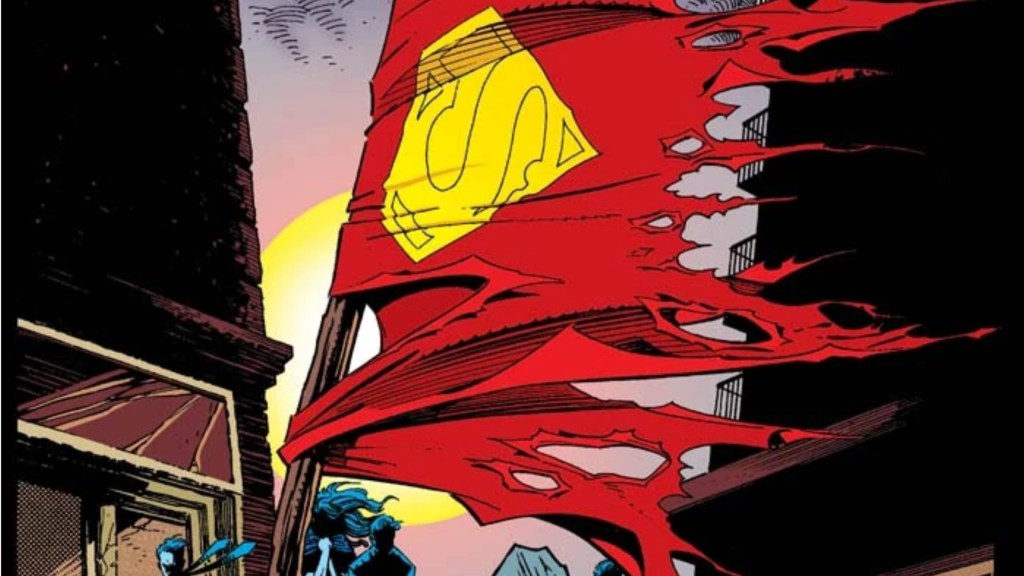
The storyline known as "The Death of Superman" is paradoxically one of the most beloved and, in retrospect, problematic narratives in the character’s history. Published between 1992 and 1993, this multi-part epic saw Superman engage in a brutal, no-holds-barred battle with the monstrous Doomsday, culminating in both combatants seemingly dying. The event was a monumental commercial success, garnering unprecedented mainstream media attention, with news outlets across the globe reporting on the demise of the iconic hero. It became a cultural phenomenon, selling millions of copies and bringing a flood of new readers, many of whom were speculators drawn by the promise of valuable collector’s items.
Background and Context: The early 1990s were a boom period for the comic book industry, fueled in part by a speculative market. Publishers were increasingly looking for "event" comics that could generate significant sales and media buzz. DC Comics, seeking to boost Superman’s profile and sales, decided on a drastic measure. The initial plan was to have Superman marry Lois Lane, but editorial changes pushed this back, leading to the "death" storyline as an alternative major event.
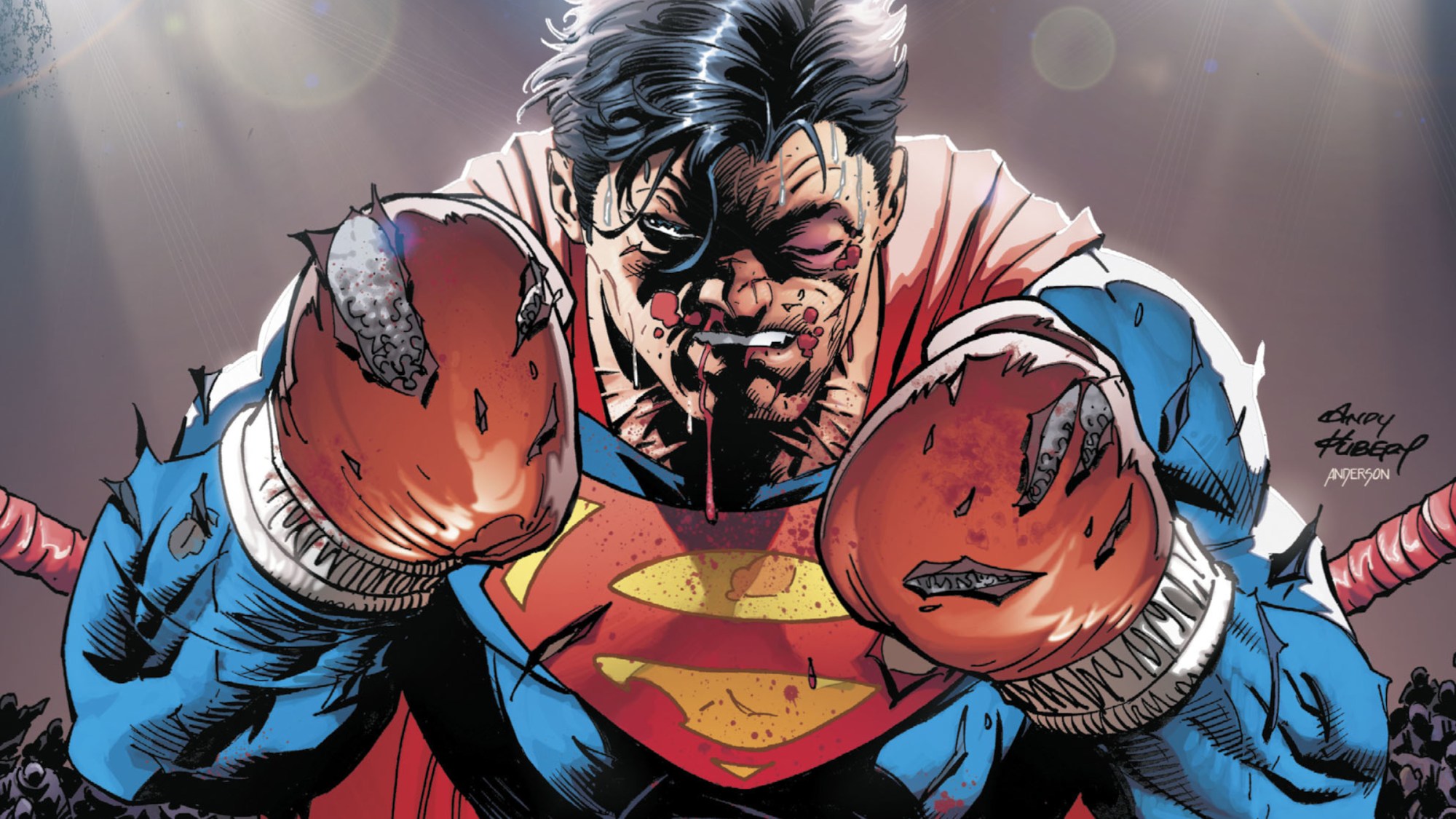
Initial Reception and Commercial Impact: The immediate impact was phenomenal. The issue Superman #75, depicting his death, famously sold over three million copies. The subsequent "Funeral for a Friend" and "Reign of the Supermen" arcs, which introduced various contenders for Superman’s mantle, kept reader engagement high.
Long-term Implications: While a massive short-term victory, "The Death of Superman" inadvertently set a detrimental precedent. DC, and indeed the wider industry, concluded that the most effective way to sell comics was through monumental, often temporary, character changes, particularly "deaths" and subsequent resurrections. This led to a cycle of diminishing returns, where major events became increasingly frequent and less impactful. The weight of death in comics was significantly diluted, as readers came to expect that any major hero’s demise would be temporary. For Superman, it initiated an era where editors seemed to believe that only radical alterations could maintain his relevance, diverting focus from consistent, character-driven storytelling. The initial success masked the long-term erosion of narrative integrity that such stunts could inflict.
6) Superman’s Energy Powers (1997-1998): A Misguided Reinvention
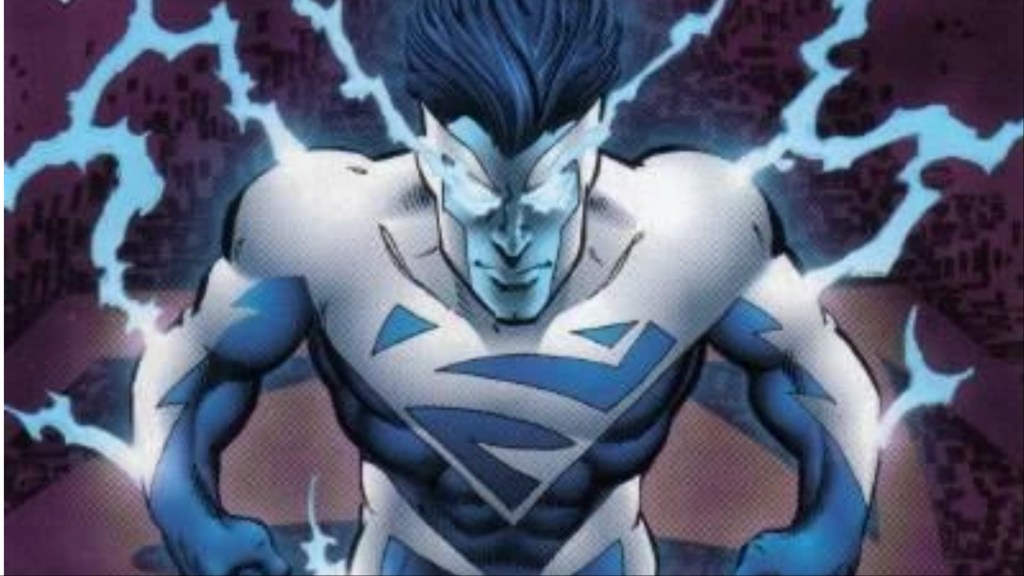
Following the high-stakes drama of his death and return, DC continued to search for ways to keep Superman "fresh." This quest led to one of the most visually and conceptually jarring changes in his history: his transformation into a being of pure energy, commonly referred to as the "Electric Blue" Superman. In 1997, Kal-El’s classic powers gave way to the ability to manipulate electromagnetic energy, complete with a new blue and white containment suit.
Background and Context: The mid-90s saw a continued push for "extreme" makeovers in comics, often driven by a desire to appear edgy or modern. After the success of "The Death of Superman," the editorial team was still under pressure to deliver high-impact changes. The idea was to fundamentally alter Superman’s power set to introduce new storytelling opportunities and visually distinguish him.
The Transformation and Creative Utilization: The change saw Superman able to phase through objects, generate energy blasts, and generally interact with the world in a vastly different manner. While creators like Grant Morrison, in JLA, found intelligent ways to integrate these new abilities into team dynamics, most other writers struggled. The core Superman titles often failed to explore the full potential of these powers in compelling ways, leaving many fans feeling that the character had been stripped of his iconic essence.
Initial Reception and Fan Backlash: The public reaction was largely negative. Fans expressed considerable dissatisfaction with the radical costume change, which departed significantly from the timeless red and blue, and the wholesale alteration of his powers. Many felt it was a desperate attempt to fix something that wasn’t broken, alienating long-time readers without attracting a significant new audience. The character became almost unrecognizable to many, both visually and functionally.
Implications and Legacy: The "Electric Blue" era is largely remembered as a creative misstep. It highlighted the dangers of prioritizing novelty over character integrity. The potential for innovative storytelling was overshadowed by fan rejection and a general inability by most creative teams to make the concept truly resonate. It ultimately proved that superficial changes to an icon often backfire if they don’t align with the character’s fundamental identity. The experiment was relatively short-lived, signaling DC’s recognition of its unpopularity.
5) The Bendis Superman Run (2018-2021): Derailed Momentum
Brian Michael Bendis arrived at DC Comics in 2018 with immense fanfare. As one of the most influential and successful writers of the 2000s, having been instrumental in Marvel Comics’ commercial and critical resurgence, his move was a seismic event. DC entrusted him with the keys to their flagship character, giving him control over both Superman and Action Comics. However, despite the anticipation, his tenure is widely viewed as having stalled the positive momentum Superman had recently gained.
Background and Context: Prior to Bendis’s arrival, the "DC Rebirth" initiative had successfully revitalized the Superman line. Writers like Peter J. Tomasi, Patrick Gleason, and Dan Jurgens had re-established a classic, optimistic Superman, married to Lois Lane, and raising their son, Jon Kent. This era was celebrated for restoring hope, family values, and a sense of legacy to the character, earning strong critical praise and fan appreciation. The books were enjoying a new level of popularity and stability.
Key Decisions and Storylines: Bendis’s run introduced several significant changes. He famously revealed Clark Kent’s secret identity to the world, sent Lois Lane and Jon Kent into space, and, most controversially, rapidly aged Jon Kent from a child to a teenager, effectively removing the popular "Super Sons" dynamic. He also introduced new antagonists and concepts, such as the United Planets.
Initial Reception and Fan Division: While some critics appreciated Bendis’s signature dialogue and attempts at a fresh direction, the run proved highly divisive among fans. Many felt that the rapid aging of Jon Kent and the disruption of the stable, family-centric status quo established during Rebirth were detrimental. The reveal of Superman’s identity, while a bold move, was also met with mixed reactions, with some arguing it removed a crucial element of the character’s civilian life. The pacing and overall direction were often criticized for feeling less impactful than the preceding runs.
Implications and Legacy: Bendis’s run, while not universally "terrible," undeniably cooled off the Superman titles at a critical juncture. It disrupted a period of renewed popularity and positive fan engagement. The perceived momentum killer was a significant blow, as it required subsequent creative teams to address and, in some cases, course-correct the changes implemented during his tenure. It serves as an example of how a high-profile writer, even with good intentions, can misjudge the pulse of a character’s fanbase and inadvertently hinder their trajectory.
4) Superman Red/Superman Blue (1998): Doubling Down on a Flop
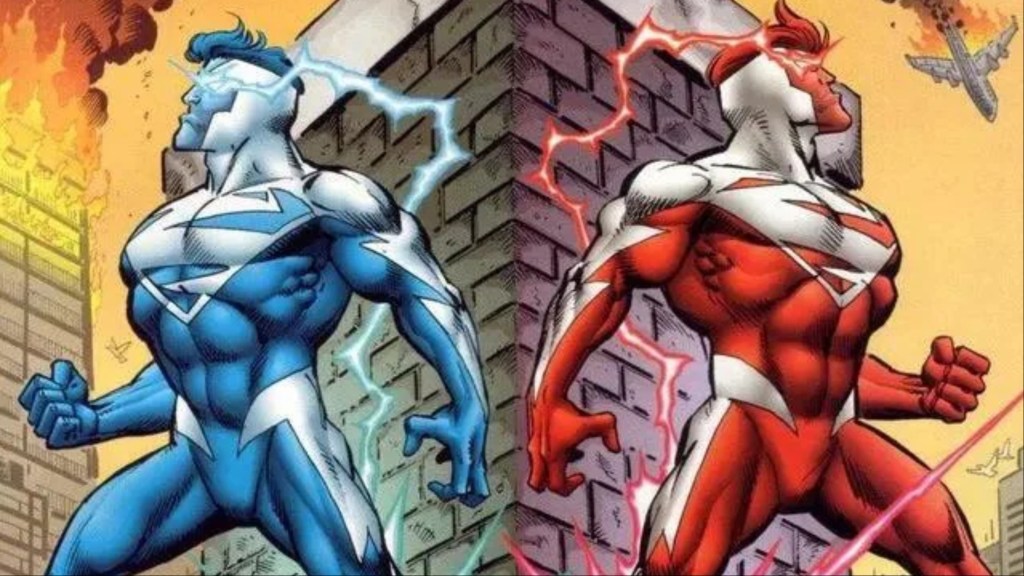
The "Electric Blue" era, already struggling for acceptance, reached its nadir with the "Superman Red/Superman Blue" storyline in 1998. This event was a desperate attempt to inject new life into the failing energy powers concept, but instead, it effectively delivered its death blow.
Background and Context: With the energy powers failing to resonate with readers, the Superman editorial team was under immense pressure to either fix the concept or move on. Drawing inspiration from an obscure, light-hearted Silver Age story from Superman #162 (1963) where Superman splits into two versions, one with a "positive" personality and the other "negative," the creative teams decided to adapt this whimsical concept for the late-90s era.
The Storyline and Execution: The plot saw the energy Superman split into two distinct entities: Superman Red and Superman Blue. Each possessed a different aspect of his personality and some of his powers, and each even pursued a relationship with a different woman (Lois Lane and Lana Lang, respectively). The narrative was convoluted and struggled to maintain internal consistency or emotional resonance.
Initial Reception and Critical Failure: The storyline was largely panned by critics and fans alike. It was perceived as a ridiculous gimmick, an uninspired and poorly executed effort to salvage an already unpopular status quo. Rather than revitalizing interest, it further alienated readers and solidified the widespread belief that the "Electric Blue" era was a creative dead end. Sales figures continued to decline, indicating a clear rejection from the market.
Implications and Legacy: "Superman Red/Superman Blue" marked the ignominious end of the energy powers saga. It epitomized the editorial office’s over-reliance on gimmicks to boost sales, demonstrating how such tactics, when poorly conceived and executed, can backfire spectacularly. The storyline not only failed to save the energy powers concept but also damaged the character’s credibility and the reputation of the titles. It underscored the need for a fundamental shift away from such superficial alterations and back towards character-driven narratives that respected Superman’s core identity.
3) New 52 Superman (Besides Grant Morrison) (2011-2016): A Reboot’s Folly
The New 52, launched in 2011, was DC Comics’ ambitious company-wide reboot, intended to streamline continuity, modernize characters, and attract new readers. While some characters benefited, Superman, outside of Grant Morrison’s critically acclaimed Action Comics run, largely suffered a tumultuous and often unpopular five-year period.
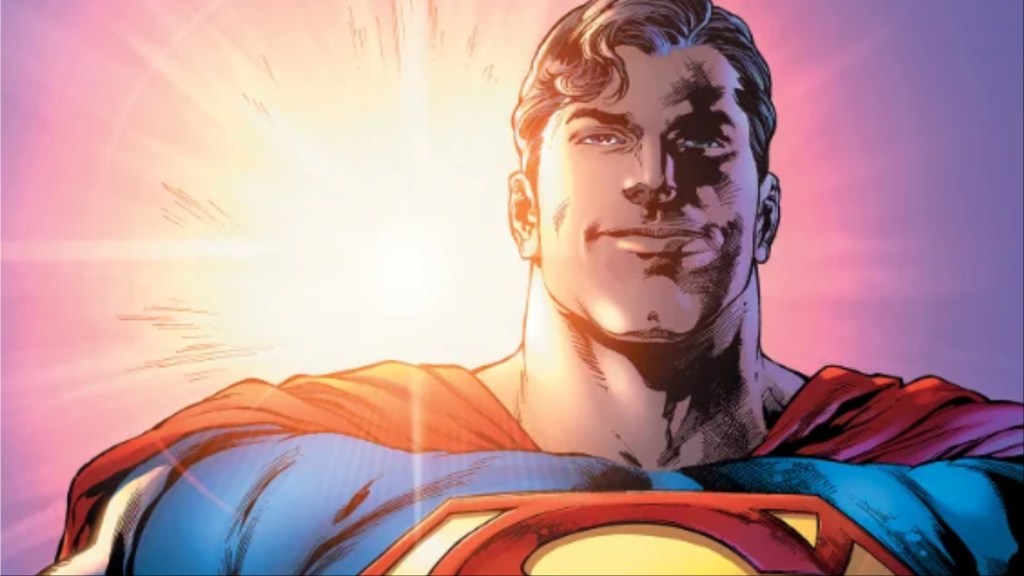
Background and Context: The New 52 was a direct response to perceived continuity bloat and declining sales across the industry. The goal was a fresh start for all DC characters. For Superman, this meant a younger, more rebellious, and less established hero. Grant Morrison’s Action Comics (Volume 2), which explored Superman’s early years as a social justice crusader, was a standout. However, the main Superman title (Volume 3) and his depiction in other books often struggled.
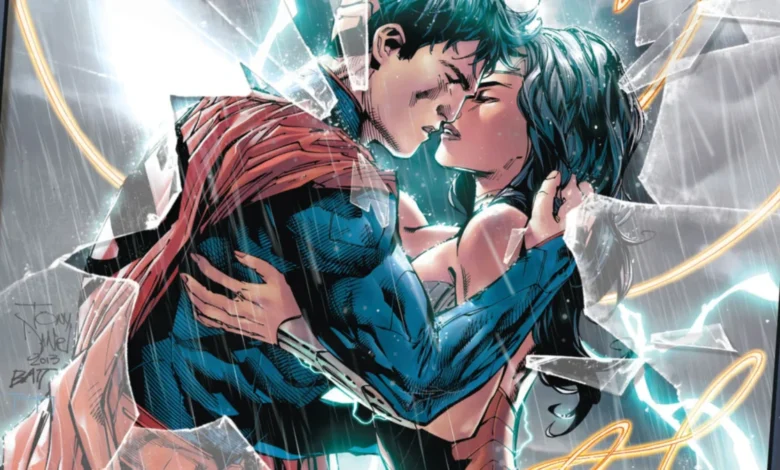
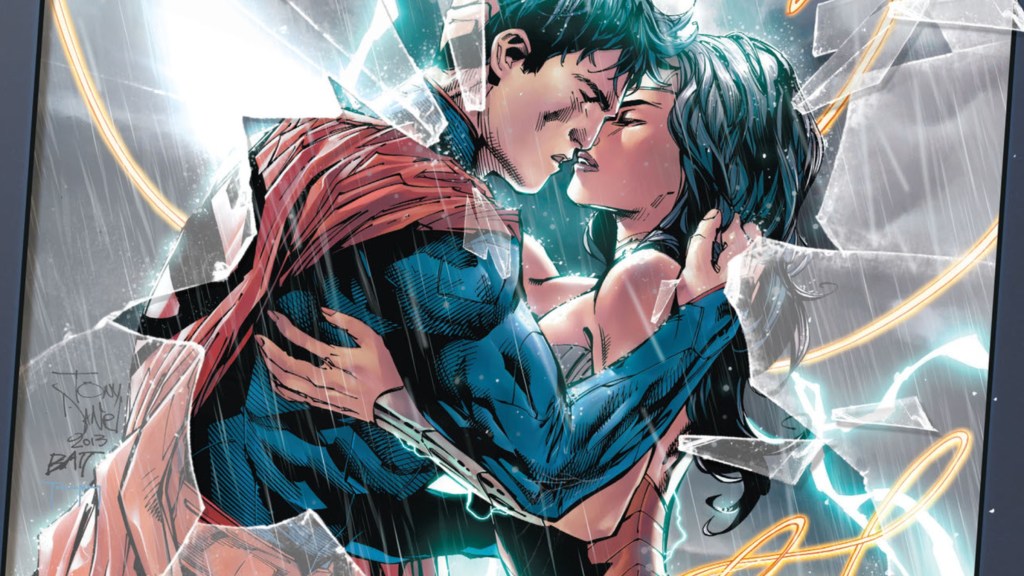
The Main Title’s Struggles and Controversial Choices: The core Superman title faced problems from the outset, with various creative teams struggling to define this new, angrier Kal-El. One of the most controversial decisions was the dissolution of his iconic marriage to Lois Lane and his subsequent pairing with Wonder Woman in Justice League (Volume 2). This relationship, intended to be a power couple for the modern age, was widely criticized for lacking genuine chemistry and for abandoning decades of established character relationships.
Initial Reception and Fan Discontent: While Morrison’s Action Comics was lauded for its innovative take on Superman’s origins and its thematic depth, the broader New 52 Superman often failed to connect with long-time fans. Many felt this iteration lacked the inherent optimism, compassion, and aspirational qualities that defined the character. The removal of Lois Lane as his primary romantic interest was particularly unpopular.
Implications and Legacy: The New 52 Superman era, by and large, is seen as a significant misstep for the character. It contributed to the overall fan dissatisfaction with the New 52 initiative, which ultimately led to its undoing with the "Rebirth" era in 2016. The period demonstrated the risks of radical reboots that disregard fundamental aspects of a character’s appeal. While not the worst-treated character in the New 52 (Supergirl, Superboy, and the Teen Titans arguably fared worse), Superman’s core titles were often lackluster, leading to a diminished standing for the character during this time. The ultimate lesson was that modernization should not come at the expense of a character’s essential identity.
2) John Byrne’s Superman Run (1986-1988): A Double-Edged Modernization
Following the universe-altering events of Crisis on Infinite Earths in 1985, DC Comics tasked superstar writer and artist John Byrne with the monumental responsibility of rebooting Superman. His "Man of Steel" mini-series in 1986, followed by his runs on Superman and Action Comics, redefined the character for a new generation. While initially lauded, this modernization proved to be a double-edged sword, and many later fans came to view some of its core tenets as mistakes.
Background and Context: Pre-Crisis Superman continuity had become incredibly complex, with decades of accumulated lore, multiple Superboys, Supergirls, and an array of esoteric powers. DC needed to simplify and make the character more accessible. John Byrne, known for his dynamic storytelling and clean art, was the perfect choice to lead this ambitious overhaul.
Key Changes and Reinventions: Byrne’s reboot introduced several fundamental alterations:
- Krypton: Transformed from a vibrant, technologically advanced society into a cold, sterile, and emotionless scientific culture.
- No Superboy: Clark Kent’s powers manifested later in life, eliminating his career as Superboy and his membership in the Legion of Super-Heroes.
- Clark Kent as the Man: Clark Kent was re-emphasized as the primary identity, with Superman as the persona.
- Reduced Powers: Superman’s power levels were significantly dialed back, making him powerful but no longer able to effortlessly move planets.
- Lex Luthor: Reimagined as a ruthless, corporate titan rather than a mad scientist.
Initial Reception and Success: Byrne’s run was an immediate success, both critically and commercially. It was praised for making Superman more relatable, grounded, and human. The simplified continuity appealed to new readers, and the more nuanced characterizations were appreciated. It successfully modernized the character for the late 1980s, aligning with a more cynical, "Reagan-era" sensibility.
Long-term Reassessment and Criticism: As time progressed, however, a segment of the fanbase, particularly those who revisited the pre-Crisis era or new readers discovering it, began to reassess Byrne’s changes. The sterile Krypton was seen by some as stripping away an important aspect of Superman’s heritage and alien identity. The removal of Superboy and the Legion connection severed a rich vein of storytelling and weakened his ties to the future. While making him more "human," some argued it diminished his mythic grandeur and aspirational quality. The 2000s saw a gradual process of re-integrating many pre-Crisis elements, such as Superboy’s existence and the more benevolent nature of Krypton, indicating a long-term editorial shift away from some of Byrne’s more radical alterations.
Implications and Legacy: John Byrne’s Superman run remains a pivotal moment, successfully rescuing the character from an unwieldy continuity. Yet, in hindsight, some of his creative choices, while effective for their time, inadvertently removed elements that many fans consider essential to Superman’s enduring appeal. It’s a complex "mistake" – a necessary modernization that perhaps went too far in certain directions, requiring subsequent generations of creators to carefully reintroduce lost elements.
1) Denying the "Superman 2000" Pitch (1999): The Cost of Playing it Safe
Perhaps the greatest "mistake" for Superman in recent history was a decision not to act: the rejection of the ambitious "Superman 2000" pitch in 1999. This proposal, from a veritable dream team of comic book talent—Grant Morrison, Mark Waid, Mark Millar, and Tom Peyer Jr.—offered a radical, high-concept reinvention of the character that could have reshaped his trajectory for the 21st century.
Background and Context: The late 1990s were a period of creative stagnation for Superman following the "Death of Superman" aftermath and the "Electric Blue" debacle. The character was perceived by many as being creatively adrift, and the editorial office was desperately searching for a new direction to reinvigorate sales and critical interest as the millennium approached.
The Vision of "Superman 2000": The pitch was bold and multifaceted. It envisioned an attack by Brainiac that would lead to a dramatic intervention by Mr. Mxyzptlk, who, in an act of misguided assistance, would wipe Superman’s secret identity from the minds of everyone on Earth. This would effectively erase all knowledge of Clark Kent, sever his marriage to Lois Lane, and force Superman to rebuild his life and identity from the ground up, in a world that only knew him as Superman. It was a concept designed for seismic change, promising to explore the fundamental nature of Superman’s existence and his place in the world.
The Editorial Decision and Alternatives: Despite the pedigree of the creators and the compelling nature of the pitch, DC Comics ultimately said no. The publisher reportedly deemed the concept too radical, too disruptive to the established order, and too risky. Instead, they opted for "safer" pitches from acclaimed writers Jeph Loeb and Joe Kelly, whose runs were generally well-received and offered solid, entertaining Superman stories.
Implications and Missed Opportunity: The rejection of "Superman 2000" is widely lamented as a monumental missed opportunity. While Loeb and Kelly delivered good work, their runs did not possess the same potential for groundbreaking innovation or the profound, long-lasting impact that the "Superman 2000" proposal promised. The pitch represented a chance to fundamentally re-examine Superman’s core themes—identity, alienation, and his connection to humanity—in a way that could have redefined him for a new era and potentially generated massive critical and commercial attention. It was a chance to make Superman truly relevant and cutting-edge again, to position him at the forefront of comic book storytelling.
Analysis and Legacy: This was a "mistake of omission," a failure to embrace a truly transformative idea out of a preference for perceived safety. The decision reflected a conservative editorial approach that, in hindsight, may have cost DC the chance to redefine its most iconic character in a way that could have echoed throughout the industry. The "Superman 2000" pitch remains a legendary "what if" in comic book history, a reminder of the potential for greatness that can be squandered when publishers shy away from daring creative visions.
The Enduring Challenge of an Icon
The journey of Superman through the decades is a testament to the enduring power of his core ideals, yet it also serves as a chronicle of the challenges inherent in managing such a monumental cultural icon. The "mistakes" discussed—from the commercial overreach of "The Death of Superman" to the creative misfires of the "Electric Blue" era, the momentum-killing aspects of the New 52 and Bendis’s run, the nuanced legacy of Byrne’s reboot, and the profound missed opportunity of "Superman 2000"—collectively illustrate the delicate balance between innovation and tradition.
Each decision, whether a bold creative gambit or a cautious retreat, left its mark on the Man of Steel. They highlight the tension between satisfying long-time fans who cherish his established mythology and attracting new readers who demand contemporary relevance. Ultimately, these missteps, while sometimes damaging in the short term, are an integral part of Superman’s evolutionary narrative, shaping the character into the multifaceted legend he is today—a hero whose trials, triumphs, and even errors only further underscore his timeless significance. The ongoing challenge for DC Comics remains not just to avoid future mistakes, but to learn from the past, ensuring that Superman continues to inspire hope for generations to come.