The Devil Wears Prada 2 Eulogizes Journalism, Movie Stardom and Last Gasps of Creativity

The cinematic landscape has profoundly shifted since The Devil Wears Prada first captivated audiences two decades ago. In 2006, the release of a standalone film, based on a bestselling novel and garnering an Oscar nomination for Meryl Streep, was a testament to a Hollywood that prioritized original stories and literary adaptations with broad appeal. This era, as evidenced by the recent debut of The Devil Wears Prada 2, seems a distant memory. The original film, a cultural touchstone, emerged during a time when comedies regularly dominated box office charts, blockbuster budgets were considerably more modest, and fashion magazines held an almost undisputed sway over seasonal trends. Moreover, the very existence of 20th Century Fox as a major studio entity, now rebranded as 20th Century Studios, underscores the dramatic metamorphosis of the industry.
The opening fanfare of The Devil Wears Prada 2, while familiar, now precedes a studio logo that signifies a drastically altered corporate and creative environment. This sequel, arriving 20 years after its predecessor, is not merely a nostalgic reunion of beloved characters but a poignant elegy for an industry grappling with existential challenges. It serves as a heartfelt tribute to print journalism, a field under siege, and by extension, to filmmakers who champion the art of storytelling over the transactional nature of content curation. The film’s narrative, set against the backdrop of a fictional fashion magazine, Runway, teeters on the precipice of obsolescence, mirroring the precarious state of numerous legacy media outlets.
A Magazine on the Brink: Thematic Resonance in Runway‘s Crisis
The central plot device of The Devil Wears Prada 2 sees the iconic Miranda Priestly (Meryl Streep) unexpectedly taking on Andy Sachs (Anne Hathaway) as her senior features editor. This unusual pairing is not born from a belief in Andy’s editorial prowess, but rather from a viral, impassioned defense of journalistic integrity that she delivered on TikTok, moments after being laid off. This premise, while serving as a narrative convenience to reunite the central trio, including Emily Blunt’s character, also serves as the film’s thematic anchor. It plunges viewers into the pervasive uncertainty and cynical humor that has become endemic to newsrooms worldwide, from the bustling metropolises of New York and London to the quieter corners of local reporting, where print publications have largely become extinct.
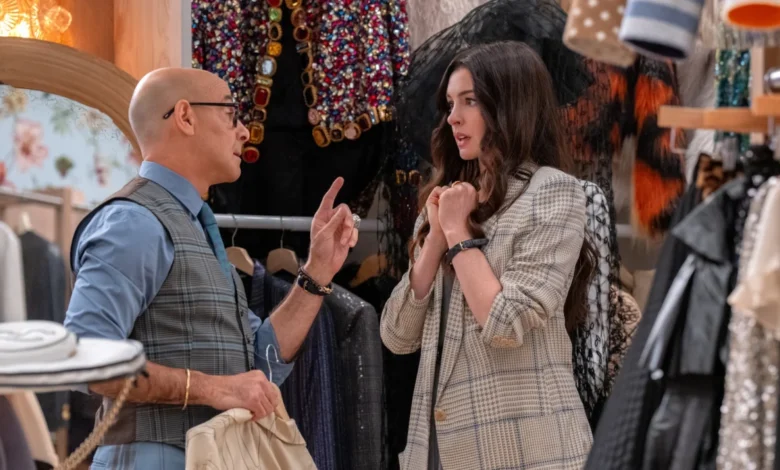
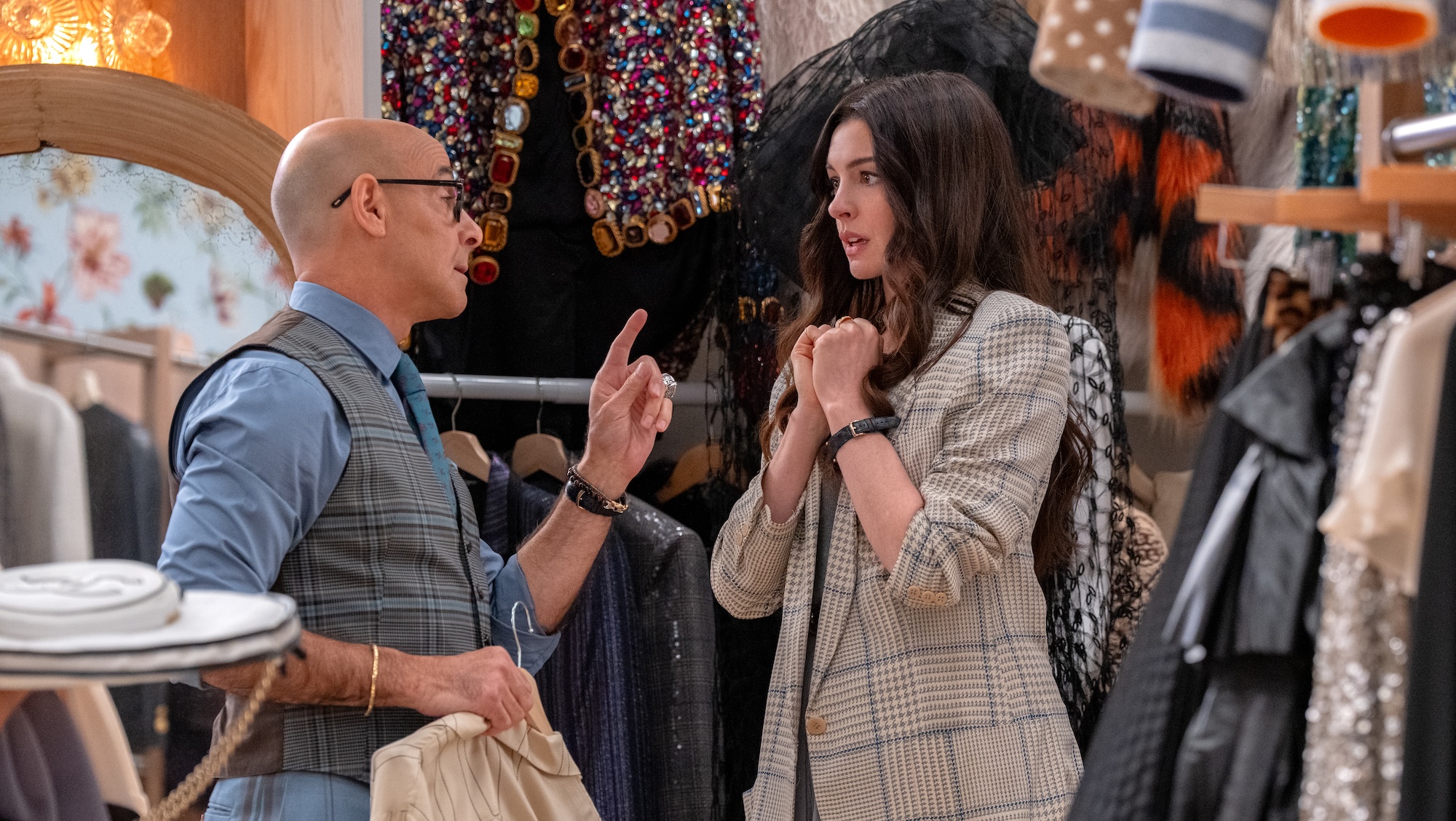
The film powerfully articulates the sentiment of displacement felt by those dedicated to traditional media. A poignant line from Stanley Tucci’s character, Nigel, the long-suffering fashion director at Runway, encapsulates this despair: "Runway isn’t a magazine anymore." He laments the shift from immersive, globally-sourced photo shoots to the stark reality of limited studio rentals in less glamorous locales. This sentiment resonates deeply with anyone who has witnessed the decline of print. Even within the niche realm of entertainment journalism, the past decade has been marked by a tightening noose: the closure of prestigious publications, the absorption of outlets leading to newsroom decimation, and the consolidation of brands, often resulting in mass layoffs. The industry, much like a grand party from the 20th century, is now seeing its tables folded and music silenced.
This melancholic backdrop is not lost on the filmmakers, who, despite helming a sequel to a film that defined a generation, appear to be navigating their own industry’s uncertain future. The absence of the original Fox fanfare, replaced by the 20th Century Studios logo, is a symbolic indicator that even the seemingly invincible Hollywood is facing its own last call.
Hollywood’s Shifting Tides: Star Power in the Streaming Era
Beyond its commentary on journalism, The Devil Wears Prada 2 also highlights the evolving landscape of movie stardom. The on-screen chemistry of Streep, Hathaway, and Blunt remains a significant draw, offering a welcome dose of sharp wit and fashion-fueled drama. However, their presence on the big screen is becoming increasingly rare.
Anne Hathaway, while enjoying a strong spring and summer with The Devil Wears Prada 2 positioned between the independent film Mother Mary and a significant role in Christopher Nolan’s The Odyssey, has found herself increasingly relegated to streaming platforms. Her recent roles include the well-received but sparsely viewed Apple TV+ series WeCrashed and films like The Idea of You. Similarly, Emily Blunt, though consistently delivering strong performances, often finds herself in supporting roles, as seen in The Smashing Machine and Oppenheimer. Even the formidable Meryl Streep, a legend in her own right, is more frequently appearing on television series like Big Little Lies and Only Murders in the Building, or in streaming films such as Netflix’s The Prom and Don’t Look Up.
This trend underscores a broader shift: the decline of theatrical releases and the ascendance of streaming services have altered the career trajectories of even the most established actors. The financial imperatives driving these changes have led to a consolidation of the studio system, with major players like Disney absorbing 20th Century Fox in 2019, and more recently, the Ellison family acquiring significant stakes in Paramount Pictures and Warner Bros. This consolidation, driven by Wall Street’s pursuit of "infinite growth," has resulted in fewer films with the necessary apparatus for successful theatrical distribution.
The Algorithm’s Grip and the Erosion of Creative Vision
The implications of this industry consolidation are far-reaching. A reduction in the number of major studios translates directly to fewer opportunities for filmmakers and creative professionals whose value lies in the creation of cinematic art, rather than its exploitation. The films that are being produced are increasingly tailored for algorithmic consumption and "second-screen" viewing habits. Streaming services, in essence, are encouraging filmmakers to produce content that is "dumber and duller," easily digestible for audiences distracted by social media.
This phenomenon mirrors the pressures faced by print journalism, which has been co-opted by SEO optimization and clickbait tactics. As theatrical attendance continues to decline in the post-COVID era and studios pivot away from traditional releases, the struggle for relevance and sustainability intensifies. The reliance on search engine traffic, once a boon for many outlets, has become a precarious lifeline as platforms shift their algorithms. Consequently, individuals and institutions alike are finding their hold on their respective industries becoming increasingly tenuous.
Navigating the Storm: The Search for a Lifeline
The Devil Wears Prada 2 also explores the theme of capitulation to external pressures, a recurring motif in the modern media and entertainment industries. A central running gag in the film involves characters, including the formidable Miranda Priestly, being forced to flatter and placate their patrons. The sequel opens with the same billionaire owner from the original film, but his son, a new heir apparent accompanied by a cadre of consultants, is poised to take control. This introduces a critical question: are there viable alternatives for Runway, for Miranda, for Andy, and for anyone committed to producing quality work in a rapidly changing environment?
The film presents various potential investors, some offering platitudes, others embodying the oblivious tech-bro archetype, mindlessly championing AI while oblivious to their surroundings. Ultimately, these figures are depicted as fragile lifelines in a turbulent sea. Miranda’s candid admission to Andy that they are not friends, but rather "looking for a piece of driftwood big enough to hold both of them," powerfully encapsulates the precariousness of their situation.
Even a film as seemingly lighthearted as a Devil Wears Prada sequel, with its inherent critique of bad bosses and materialistic excess, offers few illusions about the relentless capitalistic drive towards the bottom. This relentless pursuit leaves creatives and visionaries, whose work is cherished by audiences, in a constant state of clinging to whatever can keep them afloat. The film concludes not with a triumphant resolution, but with the stark reality that for now, survival is the primary objective, and even the most beloved intellectual property must navigate these turbulent waters to stay afloat.
The Devil Wears Prada 2 is now in theaters.