SpaceX Signals Strategic Shift into In-House GPU Manufacturing to Power Future AI and Aerospace Ambitions Amid Historic IPO Filing

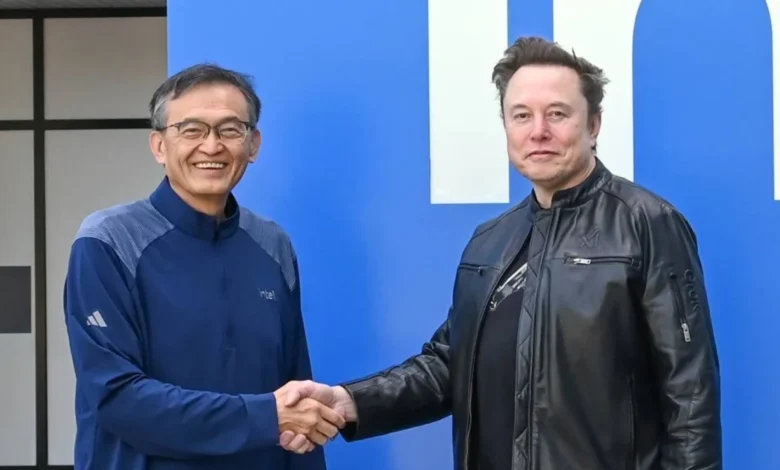
SpaceX, the aerospace pioneer and satellite communications giant founded by Elon Musk, has revealed plans to enter the highly competitive semiconductor arena by developing its own proprietary Graphics Processing Units (GPUs). This revelation comes as the company prepares for a monumental initial public offering (IPO) scheduled for this summer, which analysts expect to carry a staggering valuation of approximately $1.75 trillion. The strategic move toward vertical integration in chip manufacturing was disclosed in an S-1 registration document filed with the U.S. Securities and Exchange Commission (SEC), a mandatory filing that outlines a company’s financial health, operational risks, and investment of capital prior to becoming a publicly traded entity.
Within the dense financial disclosures of the S-1, SpaceX explicitly listed "manufacturing our own GPUs" as a component of its "substantial capital expenditures." This shift marks a significant evolution for a company primarily known for reusable rockets and global satellite internet. While the term "GPU" is traditionally associated with consumer gaming and high-end visual rendering, industry experts suggest that SpaceX’s hardware will be specialized for Artificial Intelligence (AI) workloads and large-scale data processing. These chips are expected to function similarly to Google’s Tensor Processing Units (TPUs) or Amazon’s Trainium chips—highly specialized silicon designed to accelerate neural network training and inference rather than rendering frames for video games.
The Strategic Necessity of Silicon Sovereignty
The decision to design and manufacture in-house silicon is a response to the current global bottleneck in AI hardware. Currently, the market for high-end AI chips is dominated by Nvidia, whose H100 and Blackwell architectures are in such high demand that lead times for delivery can stretch into several quarters. By developing its own GPUs, SpaceX aims to insulate itself from the volatility of the global supply chain and the premium pricing commanded by third-party vendors.
Vertical integration has long been a hallmark of Elon Musk’s business philosophy. Just as SpaceX manufactures its own Merlin and Raptor engines and Tesla produces its own electric motors and "Full Self-Driving" (FSD) computer chips, the move into GPU manufacturing represents an attempt to control the most critical component of the modern technology stack: compute power. For SpaceX, this compute power is essential for two primary pillars of its business: the autonomous navigation and coordination of the Starlink satellite constellation and the complex telemetry and simulation required for the Starship launch system.
The Terafab Project: A Nexus of AI and Manufacturing
The foundation for SpaceX’s hardware ambitions lies in the "Terafab" project, an ambitious AI chip manufacturing complex currently under development in Austin, Texas. This facility is envisioned as a "megazord" effort, combining the resources and intellectual property of SpaceX’s xAI unit and Tesla. The goal of the Terafab is to create a self-sustaining ecosystem for chip fabrication, packaging, and testing, potentially reducing the companies’ reliance on overseas foundries.
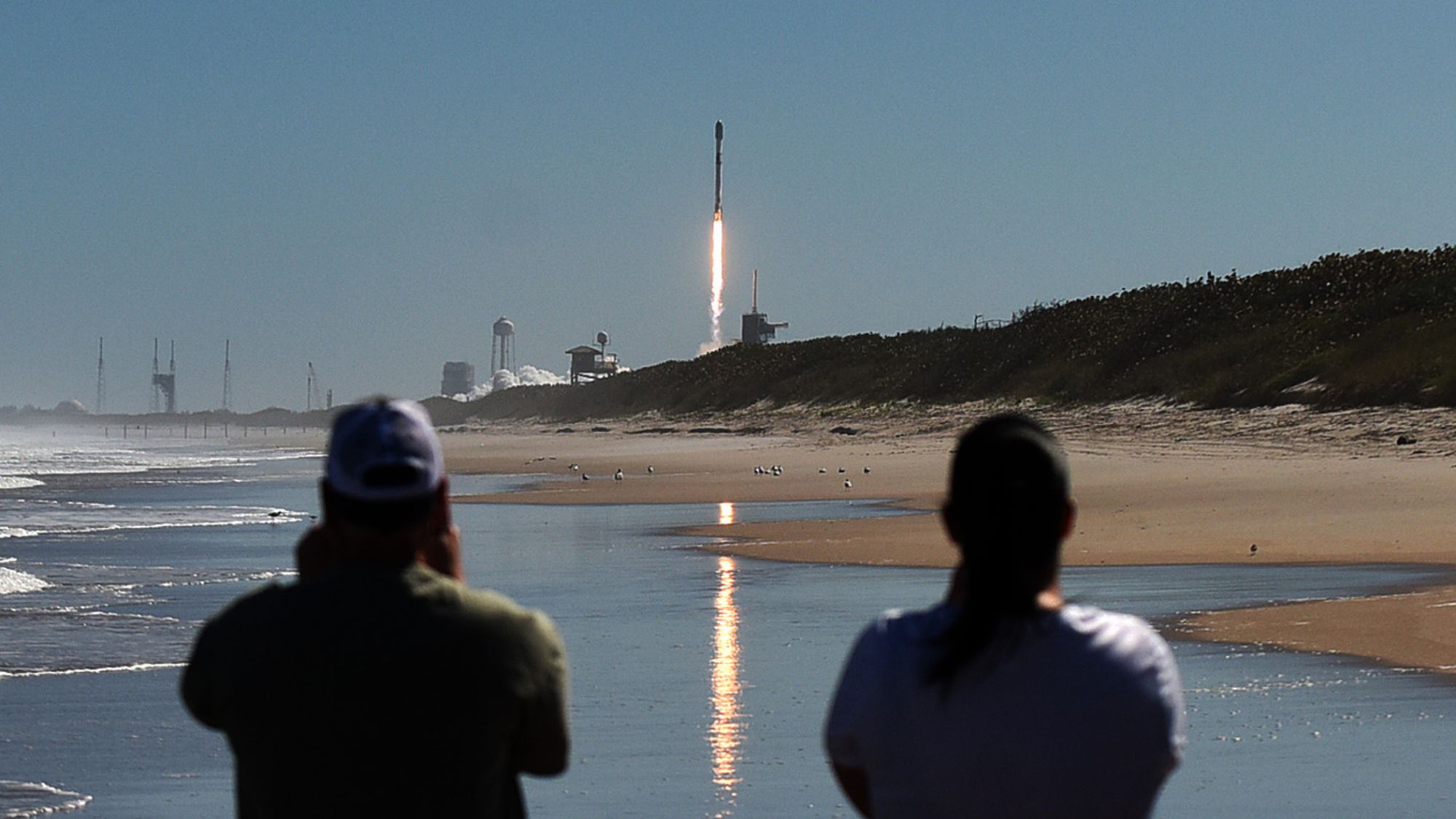
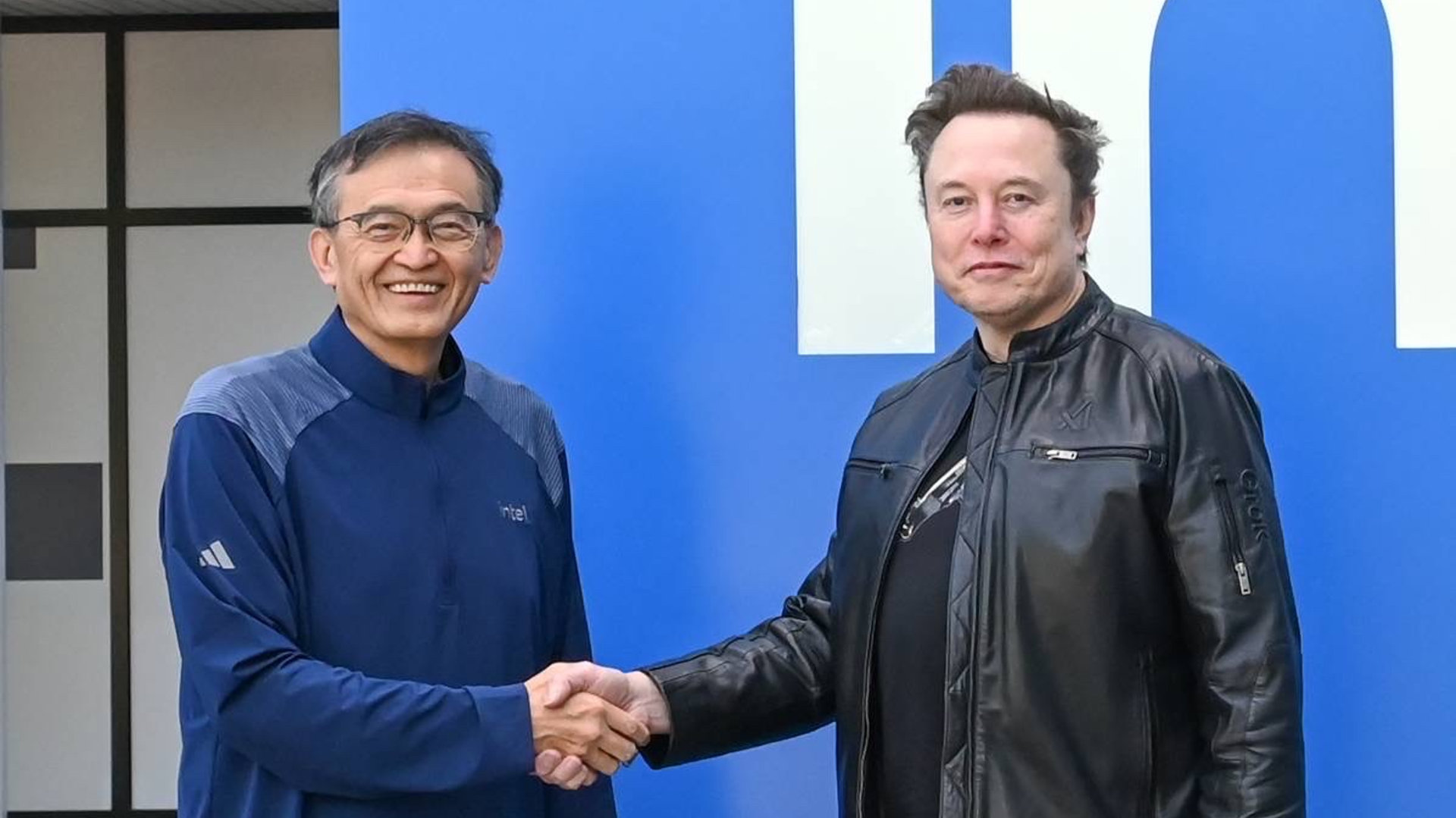
The Terafab project is designed to produce an unprecedented amount of compute power, with Musk stating an objective of achieving 1 terawatt (TW) of compute per year. To achieve this, SpaceX and Tesla have entered into a strategic partnership with Intel. During a recent earnings call, Musk confirmed that the Terafab will utilize Intel’s 14A process node. The 14A process is Intel’s most advanced ultraviolet lithography (EUV) manufacturing technique, equivalent to a 1.4-nanometer node. While the 14A process is not yet fully mature, Musk expressed confidence that the technology would be ready for "prime time" by the time the Terafab reaches full operational scale.
This partnership with Intel is a critical piece of the puzzle. While SpaceX may design the architecture of its GPUs, the actual fabrication requires cleanroom environments and lithography machines that cost hundreds of millions of dollars. By leveraging Intel’s "Foundry Services," SpaceX can secure a domestic manufacturing partner, which is particularly important given the national security implications of SpaceX’s contracts with the U.S. Department of Defense.
A Chronology of Hardware and AI Integration
The path to SpaceX’s GPU announcement has been paved by several years of incremental developments across Musk’s portfolio of companies. Understanding this timeline provides context for why SpaceX is making this move now:
- 2019: Tesla transitions from Nvidia-based hardware to its own "Full Self-Driving" (FSD) chip, proving the company’s ability to design high-performance silicon in-house.
- 2021: Tesla unveils the Dojo supercomputer, powered by the D1 chip, designed specifically for AI training. This marked the first major step into large-scale AI infrastructure.
- 2023: Musk founds xAI, an artificial intelligence startup aimed at competing with OpenAI and Google. The need for massive compute clusters becomes a primary concern for the new venture.
- Early 2024: Reports emerge regarding the "Terafab" in Austin, Texas, as a joint venture between Musk’s entities to centralize AI hardware production.
- April 2024: SpaceX’s S-1 filing officially lists GPU manufacturing as a capital expenditure, signaling that the aerospace company will be a primary beneficiary and developer of this hardware.
Supporting Data: The Cost of Compute
The financial scale of this endeavor cannot be overstated. High-end AI chips like Nvidia’s B200 are estimated to cost between $30,000 and $40,000 per unit. For a company like SpaceX, which requires tens of thousands of these units to manage its global satellite network and train its AI models, the capital expenditure on third-party hardware could easily reach billions of dollars annually.
By investing in its own GPU production, SpaceX is essentially betting that the "upfront" cost of building a fab and designing chips will be lower than the long-term cost of purchasing them from others. Furthermore, custom silicon can be optimized for specific tasks—such as Starlink’s beamforming and orbital routing—offering better performance-per-watt than general-purpose GPUs. This efficiency is vital for space-based applications where power consumption and heat dissipation are critical constraints.
Risks and Market Realities
Despite the ambitious nature of the plan, the S-1 filing includes a sobering assessment of the risks involved. SpaceX admitted in the document that it does not currently have "long-term contracts with many of our direct chip suppliers." This lack of guaranteed supply makes the company vulnerable to market fluctuations until its own manufacturing capabilities are online.
The document further warns investors: "We expect to continue sourcing a significant portion of our compute hardware from third-party suppliers, and there can be no assurance that we will be able to achieve our objectives with respect to Terafab within the expected timeframes, or at all."
This transparency is required by the SEC, but it highlights the immense difficulty of entering the semiconductor industry. The world’s leading chipmaker, TSMC (Taiwan Semiconductor Manufacturing Company), is currently reported to be booked to capacity until 2028. Even Intel, despite its technological strides, has struggled to maintain its roadmap in recent years. If the 14A process faces delays, SpaceX’s GPU ambitions could be stalled, forcing the company to remain dependent on the very suppliers it seeks to bypass.
Official Responses and Industry Sentiment
While SpaceX has not issued a formal press release regarding the specific architecture of its GPUs, the sentiment from the broader tech industry is one of cautious intrigue. Analysts suggest that if SpaceX succeeds, it could set a precedent for other industrial giants to abandon general-purpose silicon in favor of bespoke hardware.
"SpaceX isn’t just a rocket company; it’s a data company," says hardware analyst Marcus Thorne. "Every Starlink satellite is essentially a flying server. If they can optimize the silicon that runs those servers, they can increase bandwidth and reduce latency in ways that Nvidia’s general-purpose architecture simply can’t."
Intel’s CEO, Pat Gelsinger, has previously praised the collaboration, noting that the partnership with Musk’s companies validates Intel’s strategy to become a world-class foundry. For Intel, SpaceX represents a "marquee customer" that can help them reclaim the lead from TSMC.
Broader Impact and Future Implications
The implications of SpaceX manufacturing its own GPUs extend far beyond the company’s balance sheet. If successful, this move could significantly alter the landscape of the "AI arms race."
- Geopolitical Stability: By manufacturing chips domestically in Texas through the Intel partnership, SpaceX reduces its exposure to geopolitical tensions in the Taiwan Strait, where most of the world’s advanced chips are currently produced.
- AI Democratization vs. Centralization: While SpaceX’s move suggests a democratization of chip design (more players in the field), it also points toward a future where only the wealthiest "trillion-dollar" companies can afford to build the infrastructure necessary for advanced AI.
- Space-Hardened Silicon: SpaceX’s GPUs will likely be designed with radiation hardening and extreme temperature resilience in mind. This could lead to a new generation of "space-native" hardware that could be sold or licensed to other aerospace entities, creating a new revenue stream.
As SpaceX approaches its summer IPO, the GPU project will likely be a focal point for prospective "sharks" and institutional investors. While the risks are substantial, the potential for SpaceX to become a self-sufficient powerhouse in both aerospace and artificial intelligence makes it a unique proposition in the history of the stock market. The world will be watching to see if Musk can land this particular "booster" of an idea, or if the complexities of the semiconductor industry prove to be a more difficult frontier than space itself.