

Dan Mora has solidified his position as one of DC Comics’ most formidable artistic talents, consistently delivering dynamic and visually striking artwork that captivates audiences. Over the past decade, Mora’s contributions to the DC Universe have spanned a wide array of titles, from the flagship Superman and Justice League Unlimited to the critically acclaimed Batman/Superman: World’s Finest. His energetic style, characterized by clean lines, expressive character work, and vibrant compositions, has earned him a dedicated following and made him a sought-after artist in the contemporary comic book landscape. The presence of Dan Mora’s art on a DC publication frequently correlates with heightened reader interest, often drawing in individuals who might not typically follow a particular series.
The significance of a comic book cover extends beyond mere aesthetics; it serves as the primary visual ambassador for the narrative within, a crucial element in attracting new readers and satisfying existing fans. In an increasingly competitive market, a compelling cover can dramatically influence a title’s visibility and sales. Artists like Dan Mora, with their distinctive and highly recognizable styles, play a pivotal role in shaping a publisher’s visual identity and brand appeal. His ability to distill complex character dynamics or monumental events into a single, powerful image is a testament to his mastery of the form. The proliferation of variant covers further amplifies the demand for such artists, as these alternate interpretations offer collectors and enthusiasts diverse perspectives on beloved characters and storylines. Mora, in particular, has become a prolific contributor to the variant cover market, showcasing his versatility across numerous DC titles.
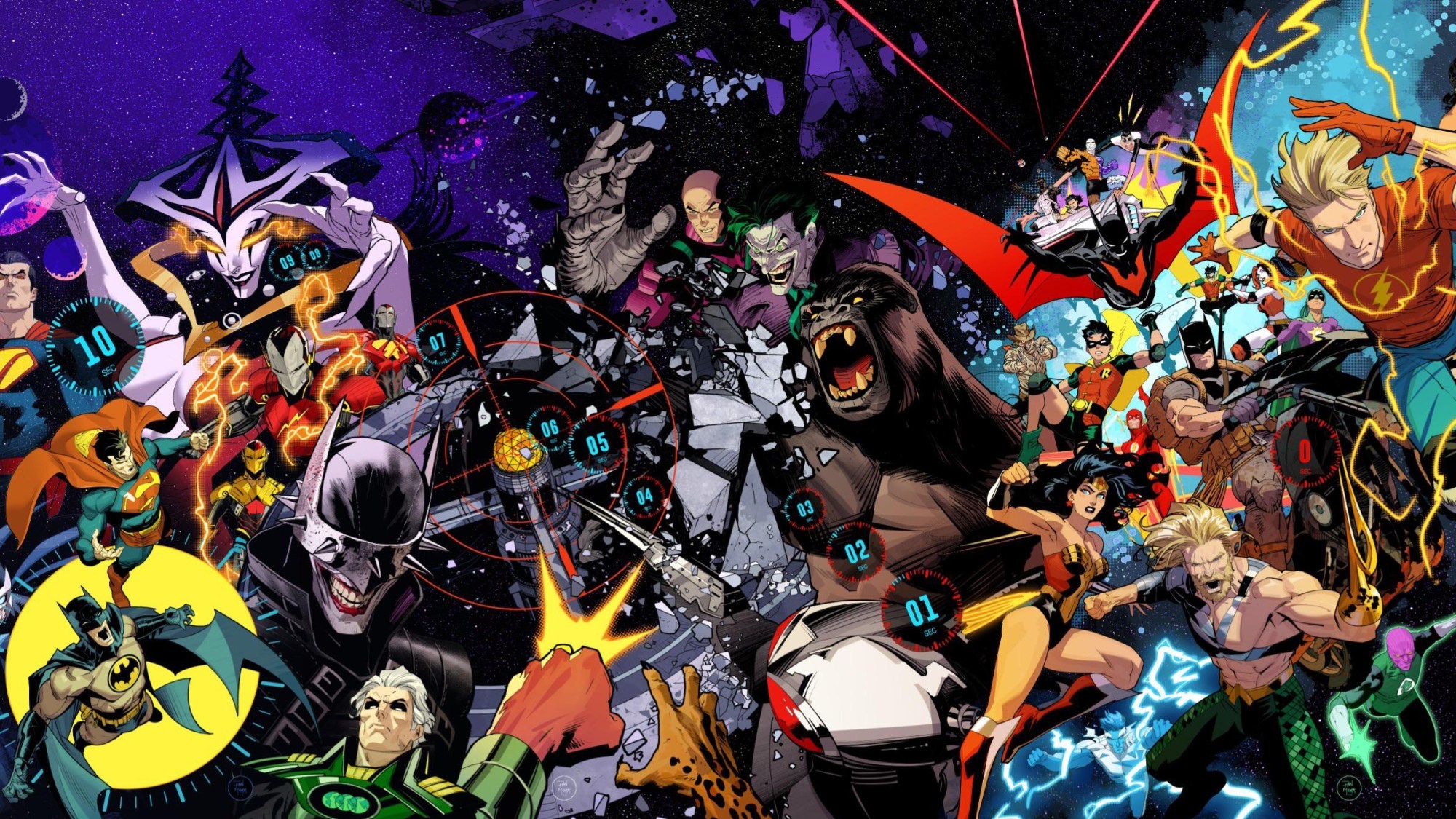
Identifying a definitive "best" from an artist’s extensive portfolio is inherently subjective and challenging, especially for an artist as prolific as Dan Mora. His output for DC Comics alone encompasses dozens of main and variant covers, each demonstrating his unique artistic vision. However, certain works invariably rise to prominence, resonating deeply with the fanbase and exhibiting exemplary craftsmanship. The following analysis explores ten of Dan Mora’s most impactful and celebrated DC Comics covers, examining their artistic merits, thematic relevance, and contribution to the broader visual narrative of the DC Universe.
The Rise of a Modern Master: Dan Mora’s Impact on DC’s Visual Identity
Dan Mora’s journey to becoming a cornerstone artist for DC Comics is marked by a consistent evolution of his craft and an innate understanding of superhero iconography. His early work quickly garnered attention for its polished, modern aesthetic that simultaneously paid homage to classic comic book artistry. This blend of contemporary dynamism and traditional heroic gravitas allowed his art to appeal to both long-time collectors and new readers. Titles like Klaus and Once & Future (for BOOM! Studios) showcased his ability to handle epic narratives and detailed character designs, preparing him for the expansive canvas of the DC Universe.
When he began contributing to DC, Mora rapidly ascended, becoming synonymous with a fresh, exciting era for many characters. His work often features powerful, dynamic poses that convey action and emotion, complemented by a vibrant color palette that brings energy to every panel and cover. Editors at DC recognized his capacity to elevate titles, strategically assigning him to major events and character reintroductions, understanding that his artwork alone could generate considerable buzz and sales. His influence is not just in individual pieces but in contributing to a cohesive, high-quality visual standard across various DC imprints.
A Deeper Look: Ten Exemplary Dan Mora DC Comics Covers
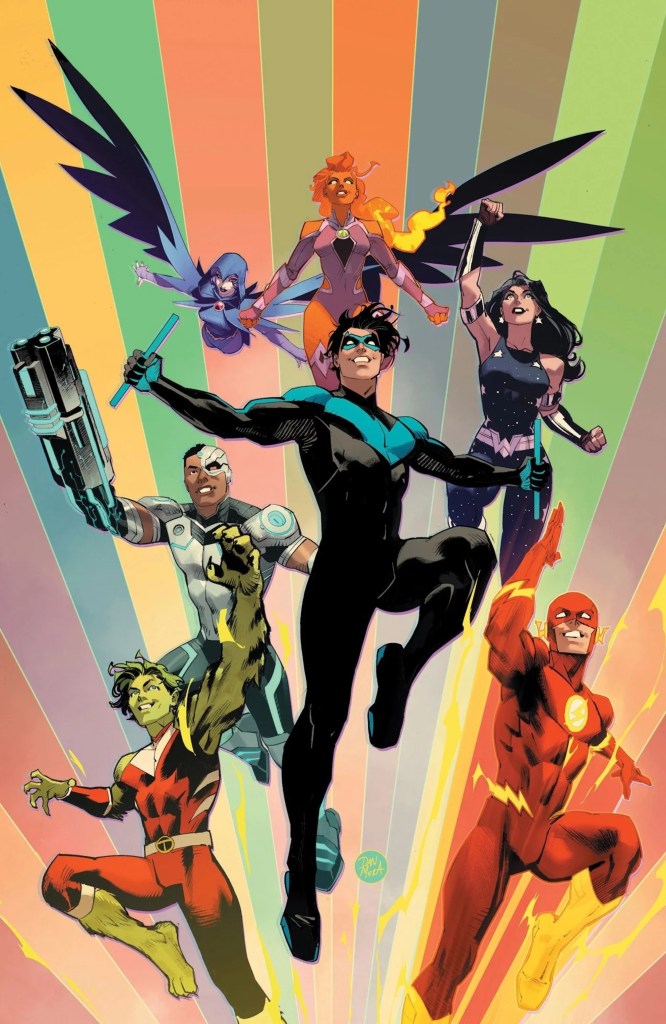
10. Titans #1 (Variant)
The "Dawn of DC" era marked a strategic initiative by DC Comics to revitalize its core characters and teams, and the Titans were central to this renewed focus. Dan Mora’s variant cover for Titans #1 perfectly encapsulated the spirit of this relaunch. The artwork features Nightwing leading his iconic team – including Starfire, Raven, Beast Boy, Cyborg, and Donna Troy – in a powerful group pose. What makes this cover particularly effective is Mora’s ability to convey both the profound camaraderie and the formidable superheroic nature of the team. The background, subtly composed of the distinct color schemes of each member’s costume, visually unifies the ensemble while allowing each character to shine. Mora’s rendering of Beast Boy mid-transformation adds a dynamic flourish, highlighting his energetic style. The composition evokes the classic, aspirational team imagery found in seminal works like Jim Lee’s Justice League covers from the New 52 era, but infused with Mora’s signature flair and vibrant expressiveness, making it an immediate fan favorite and a strong statement for the newly invigorated team.
9. Immortal Legend Batman #1
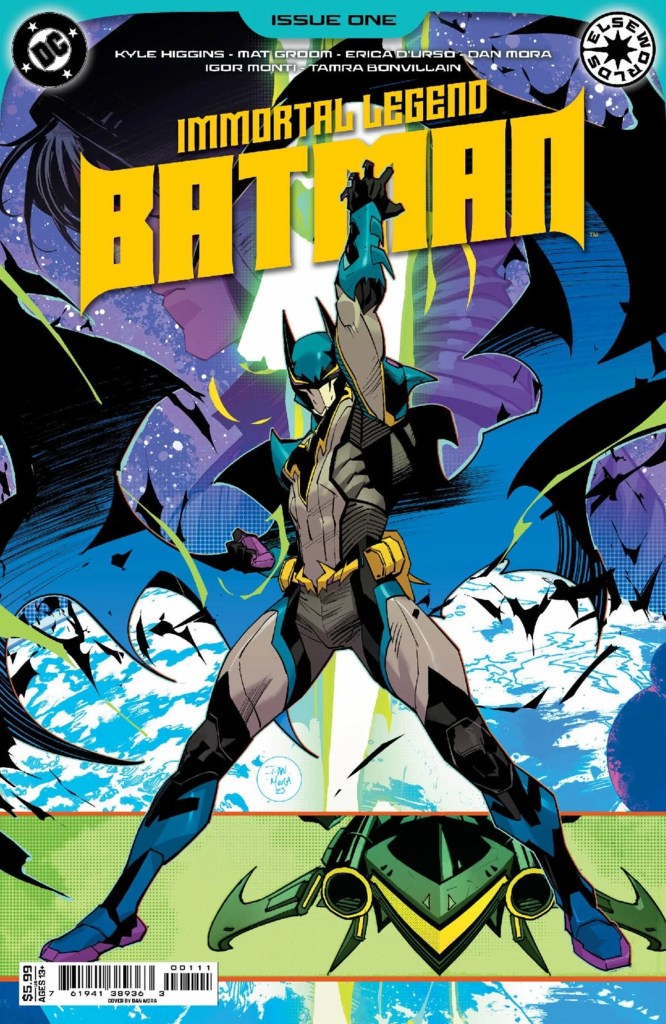
Elseworlds stories, which explore alternate realities and reimagine classic characters, provide artists with unparalleled creative freedom. Immortal Legend Batman #1 offered Dan Mora an expansive canvas for experimentation, and he seized the opportunity with a cover that is both bold and intriguing. This particular iteration of Batman is depicted in a costume that clearly draws inspiration from Tokusatsu superheroes, known for their stylized suits and dynamic action sequences. The design is a significant departure from traditional Batman aesthetics, yet Mora renders it with such conviction that it immediately captures attention. The striking pose, combined with the unique suit design, evokes a sense of epic grandeur and mystery, compelling viewers to delve into this alternative narrative. Even for those unfamiliar with or disinclined towards sentai-inspired themes, Mora’s exceptional talent for imaginative design and execution is undeniable, showcasing his remarkable versatility and ability to reinvent iconic characters while maintaining their inherent heroic essence. The cover served as a powerful hook, signaling a fresh and adventurous take on the Caped Crusader.
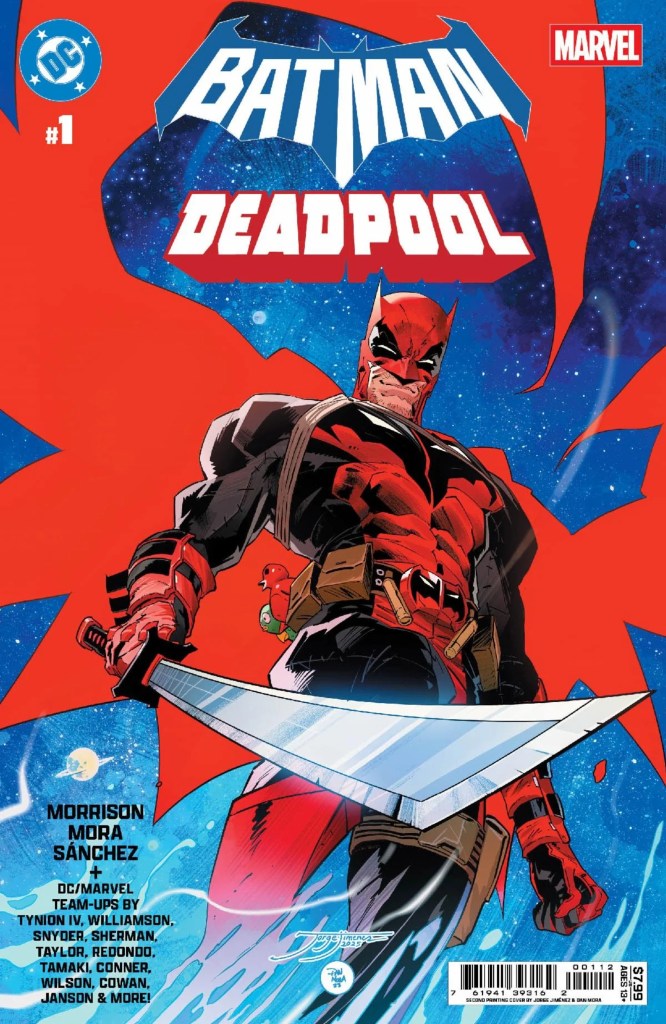
8. DC/Marvel: Batman/Deadpool #1 (Reprint)
Crossover events between Marvel and DC Comics are rare, high-stakes occurrences that inevitably generate immense anticipation and commercial success. The initial DC/Marvel: Batman/Deadpool collaboration was no exception, quickly selling out its initial print run. While Dan Mora contributed to the main cover, his variant for the reprint proved to be a standout. This cover shifted focus to Deadbat, a fascinating fusion of Marvel’s Deadpool and DC’s Batman – a character born from the narrative’s central premise. Mora’s depiction of Deadbat, a visually arresting hybrid hero, wielding a sword against a backdrop of a starry, cosmic void, is remarkably effective in its simplicity. The character’s design cleverly integrates elements from both heroes, creating a cohesive and instantly recognizable new entity. Despite its minimalist composition, the cover exudes an undeniable coolness and visual impact, making it one of the most memorable reprint variants, and a testament to Mora’s ability to imbue even a single character portrait with profound narrative weight and stylistic flair, celebrating the imaginative spirit of cross-company collaborations.
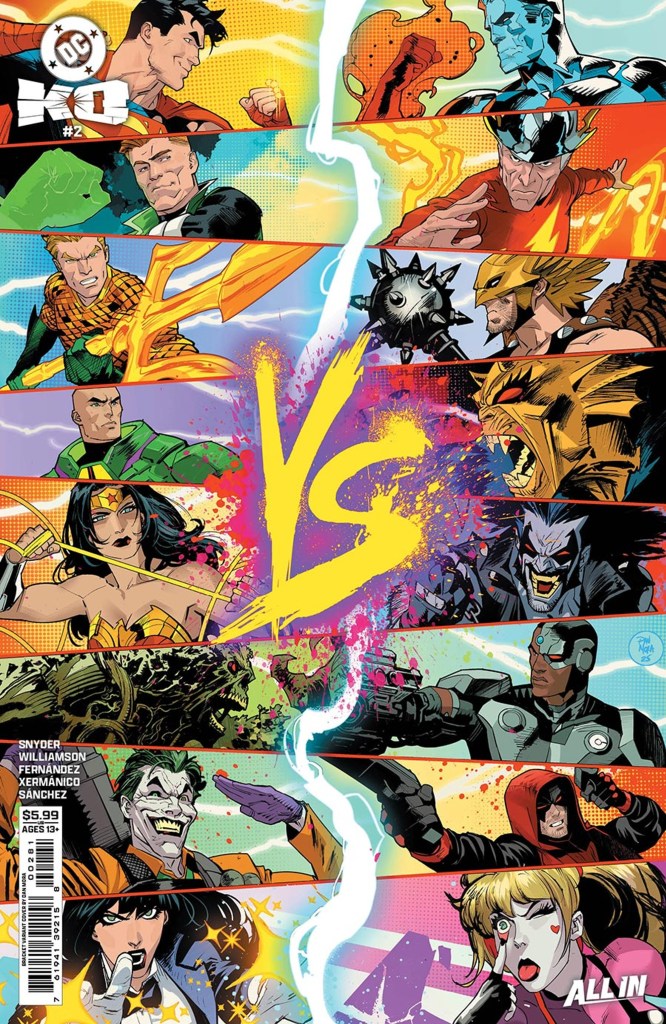
7. DC K.O. #2 (Variant)
The DC K.O. series, a unique narrative premise that pitted DC characters against each other in a tournament format, elicited mixed reactions from readers regarding its storyline. However, a consistent point of praise was the series’ distinctive cover art, particularly Dan Mora’s contributions. His variants for DC K.O. adeptly captured the competitive spirit and evolving roster of the tournament. Among these, Mora’s variant for DC K.O. #2 stands out for its vibrant portrayal of the "Sweet Sixteen," the diverse group of fighters advancing in the competition. The cover masterfully arranges a multitude of characters, each rendered with Mora’s characteristic energy and distinct personality. The strength of this piece lies in its meticulous attention to detail and subtle character moments. A prime example is Harley Quinn, positioned in the bottom corner, making an "akanbe" face (a Japanese gesture of childish taunting), which injects a playful, characteristic touch into the otherwise intense competitive atmosphere. This cover not only served as an excellent visual summary of the issue’s stakes but also highlighted Mora’s skill in handling large ensemble casts and infusing them with individual charm and narrative context.
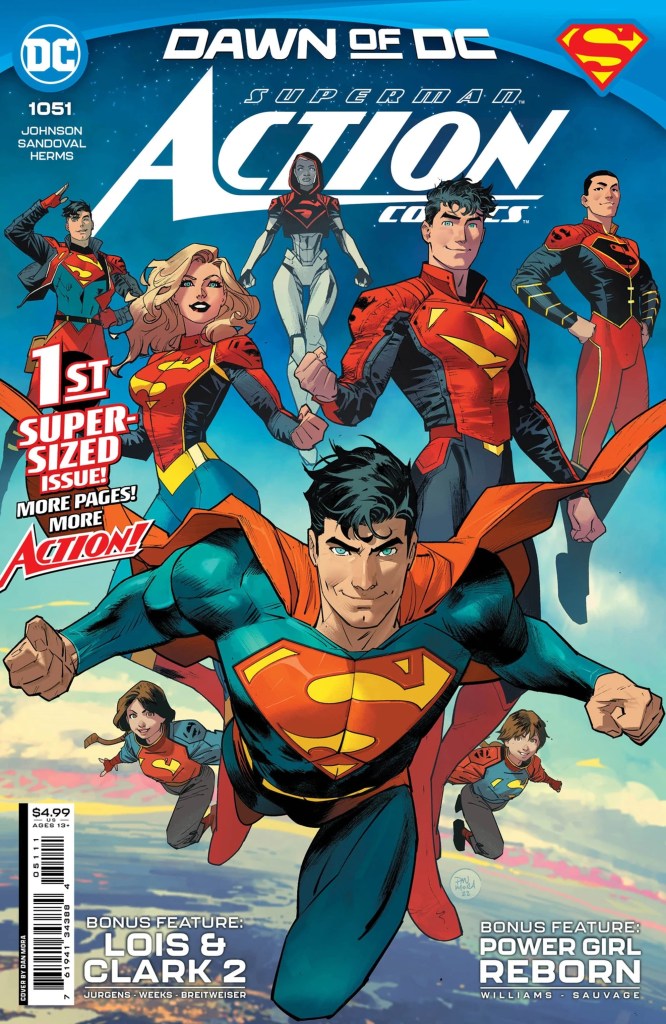
6. Action Comics #1051
For enthusiasts of Superman, covers that celebrate the expansive "Superman Family" resonate deeply, reflecting the character’s enduring legacy and the community he inspires. Dan Mora’s main cover for Action Comics #1051 perfectly embodies this sentiment, marking a significant editorial shift for the title. This issue inaugurated a new era for Action Comics, transforming it into an anthology series dedicated to exploring the rich tapestry of Superman’s supporting cast. Mora’s cover visually communicated this new direction with remarkable clarity and emotional depth. It features Superman prominently at the forefront, leading a diverse and powerful assembly of allies: Superboy, Supergirl, Jon Kent (the new Superman), Steel, Super-Man, and the Super-Twins. Each character is strategically placed, creating a dynamic and cohesive composition that emphasizes unity and strength. The artwork not only serves as an excellent visual representation of the ensemble but also as a poignant reminder of a beloved era of Action Comics that celebrated the broader impact of the Superman mythos. Mora’s ability to convey both individual heroism and collective purpose makes this cover a powerful tribute to the Superman Family.
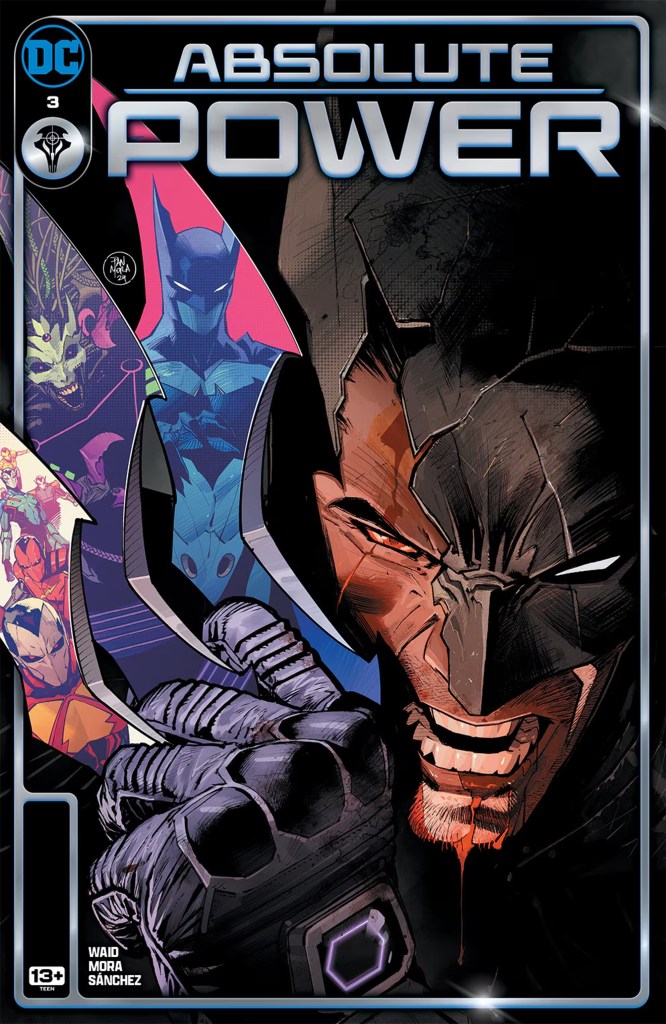
5. Absolute Power #3
Dan Mora consistently elevates his artistic game for major DC events, and his contributions to Absolute Power were no exception. His work across the main series, including both covers and interior art, demonstrated an exceptional understanding of high-stakes storytelling. The cover for Absolute Power #3 is particularly impactful, serving as a masterclass in visual tension and narrative foreshadowing. It depicts Batman in a state of visible distress, broken and bleeding, yet defiantly wielding Batarangs that symbolically reflect the visages of his formidable adversaries: Zur-En-Arrh, the Brainiac Queen, and Task Force VII. This ingenious use of reflection not only highlights the magnitude of the threats Batman faces but also underscores his psychological and physical struggle. The cover expertly communicates the dire circumstances and intense action that characterize the Absolute Power narrative. While readers generally anticipate Batman’s eventual triumph, seeing him pushed to such extreme limits on a cover immediately piques interest and draws them into the unfolding drama, showcasing Mora’s talent for capturing profound narrative moments in a single, compelling image.
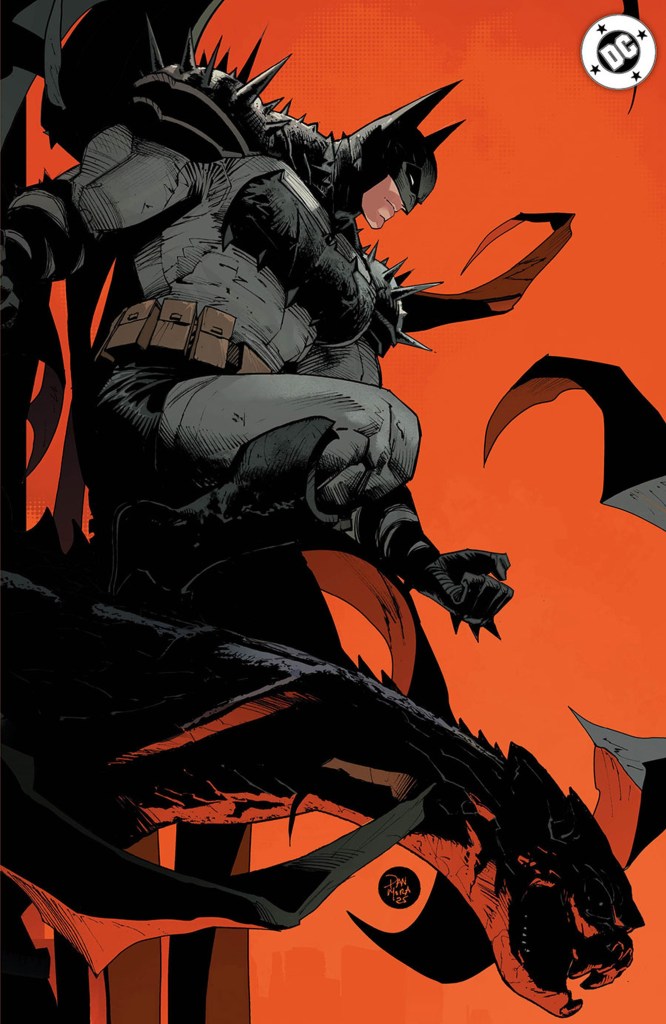
4. Absolute Batman #1 (Variant)
The immense success of the "Absolute Universe" within DC Comics inevitably led to numerous reprints and exclusive covers, a common strategy to capitalize on popular demand. Dan Mora, a key artistic voice for this burgeoning line, contributed several covers, including a notable variant for Absolute Batman #1. This particular piece is remarkable for how effectively Mora captures the sheer, overwhelming scale and raw force of Absolute Batman. Unlike the more traditional depictions, Mora’s variant leans into a slightly more stylized approach, emphasizing the younger, angrier iteration of the Dark Knight. The composition exaggerates his physical presence and intensity, creating a visually distinct interpretation that stands apart from the main series’ aesthetic. Despite its variant status, Mora’s rendition of Absolute Batman is highly effective, communicating the character’s formidable nature and the distinct tone of the "Absolute Universe." The cover’s dynamic energy and bold design make it a prized item for collectors and a powerful statement about Mora’s ability to adapt his style to different narrative universes while maintaining artistic integrity.
3. Superman Unlimited #1 (Variant)
The preceding year marked a significant resurgence for Superman, culminating in a highly anticipated reboot from DCU architect James Gunn. To commemorate this pivotal moment, DC launched the "Summer of Superman" initiative, introducing new titles such as Superman Unlimited. Dan Mora’s variant cover for Superman Unlimited #1 served as a direct and heartfelt tribute to this new era. The artwork notably features both James Gunn and David Corenswet, the actor cast as the newest on-screen Last Son of Krypton. This inclusion was a deliberate and effective gesture, bridging the gap between the comic book narrative and the unfolding cinematic universe. Mora’s skillful portrayal captures the likeness of both individuals while integrating them seamlessly into a dynamic, heroic tableau alongside Superman. This cover is not merely an artistic achievement but a significant cultural artifact, celebrating the synergy between different creative mediums and acknowledging the collaborative effort involved in bringing Superman to a new generation. It exemplifies Mora’s capacity to use his artistic platform to uplift and honor the broader creative community dedicated to the enduring legacy of Superman.
2. Action Comics #1 (Reprint)
In further celebration of the Superman reboot and the annual "Superman Day," DC Comics released a facsimile edition of the seminal Action Comics #1, Superman’s historic debut issue. For this special reprint, Dan Mora was entrusted with creating a modern homage to the iconic original cover. Mora’s rendition meticulously replicates the legendary tableau, featuring David Corenswet’s Superman in the classic pose of lifting and smashing a car against a rocky incline. This cover is a brilliant exercise in artistic reverence, seamlessly blending the historical significance of the original artwork with the contemporary vision of the new cinematic Superman. While the shock value of a superhuman lifting a car might have diminished since the 1938 original, Mora’s execution imbues the scene with a fresh sense of power and nostalgia. His ability to honor Superman’s foundational history through such a meticulously crafted and visually impactful cover demonstrates his deep respect for the character’s legacy and his talent for reinterpreting classic imagery for a modern audience, creating a bridge between past and future iterations of the Man of Steel.
1. Batman/Superman: World’s Finest #50 / Bizarro: Year None #1 (Variants)
The pinnacle of Dan Mora’s cover artistry, particularly in terms of conceptual brilliance and sheer enjoyment, is undoubtedly the tandem release of his variant covers for Batman/Superman: World’s Finest #50 and Bizarro: Year None #1. The Batman/Superman: World’s Finest series is renowned for its playful celebrity cameo variants, and its 50th issue featured the beloved comedian and musician "Weird Al" Yankovic. Mora’s initial cover for World’s Finest #50 depicted Batman, Superman, and Yankovic in a heroic, albeit humorous, grouping. The true genius, however, lies in the companion variant Mora created for Bizarro: Year None #1, released concurrently. This variant is a perfectly executed "Bizarro" version of the World’s Finest cover, where Batman, Superman, and "Weird Al" are replaced by their distorted, inverse counterparts: Bizarro Batman, Bizarro Superman, and a comically grotesque "Weird Al" Bizarro. This meta-joke, likely a collaborative concept, showcases Mora’s exceptional skill in character design and his keen sense of humor. The ability to create two distinct yet thematically linked covers that play on a foundational DC Comics trope (the Bizarro world) while incorporating a celebrity cameo, is a remarkable feat. These two covers, when viewed side-by-side, represent a high point in comic book cover art, demonstrating an extraordinary blend of artistic prowess, conceptual wit, and an understanding of the characters’ enduring appeal and comedic potential. They stand as a testament to Mora’s range and his capacity to deliver both serious heroism and lighthearted brilliance.
The Broader Impact of Dan Mora’s Artistry
Dan Mora’s consistent output of high-quality, dynamic, and expressive artwork has undeniably cemented his status as a pivotal figure in contemporary comic book art. His influence extends beyond individual issues, contributing significantly to DC Comics’ overall visual aesthetic and market presence. His ability to render both grand, epic scenes and subtle, character-driven moments with equal finesse makes him a versatile and invaluable asset. The commercial appeal of a "Dan Mora cover" is palpable, often leading to increased sales and collector interest, which in turn reinforces the strategic importance of investing in top-tier artistic talent. His work is frequently highlighted in promotional materials and fan discussions, underscoring his role in shaping reader perception and excitement for new DC titles. As the comic book industry continues to evolve, artists like Dan Mora, who can consistently deliver captivating and emotionally resonant imagery, will remain crucial to its vitality and ongoing success, ensuring that the visual storytelling remains as compelling as the narratives themselves.


