
Kevin Feige Confirms the Marvel Comic That Inspired Avengers: Doomsday


The highly anticipated Marvel Cinematic Universe film, Avengers: Doomsday, slated for release on December 18, 2026, is drawing direct inspiration from a pivotal comic book event, as confirmed by Marvel Studios president Kevin Feige. While details surrounding the film’s narrative have been scarce, Feige’s recent statement to Entertainment Weekly sheds significant light on the core conceptual framework for the upcoming blockbuster. He revealed that the film’s central storyline will revolve around the collision of universes and the merging of different timelines, a hallmark of a renowned comic book series. This revelation strongly points towards Jonathan Hickman’s Secret Wars (2015) as the primary source material, a series that itself was the culmination of years of intricate storytelling within Marvel’s Avengers and New Avengers titles.
The Genesis of Cosmic Cataclysm: Hickman’s Secret Wars Saga
The narrative arc that has apparently captured the attention of the MCU creative team began in earnest in 2013 with Hickman’s relaunch of Avengers and New Avengers. These interconnected series meticulously built towards the universe-shattering event of Secret Wars. The foundation of this impending crisis was laid within the pages of New Avengers, which introduced the concept of "Incursions"—a catastrophic phenomenon where two parallel universes collide, leading to the annihilation of both.
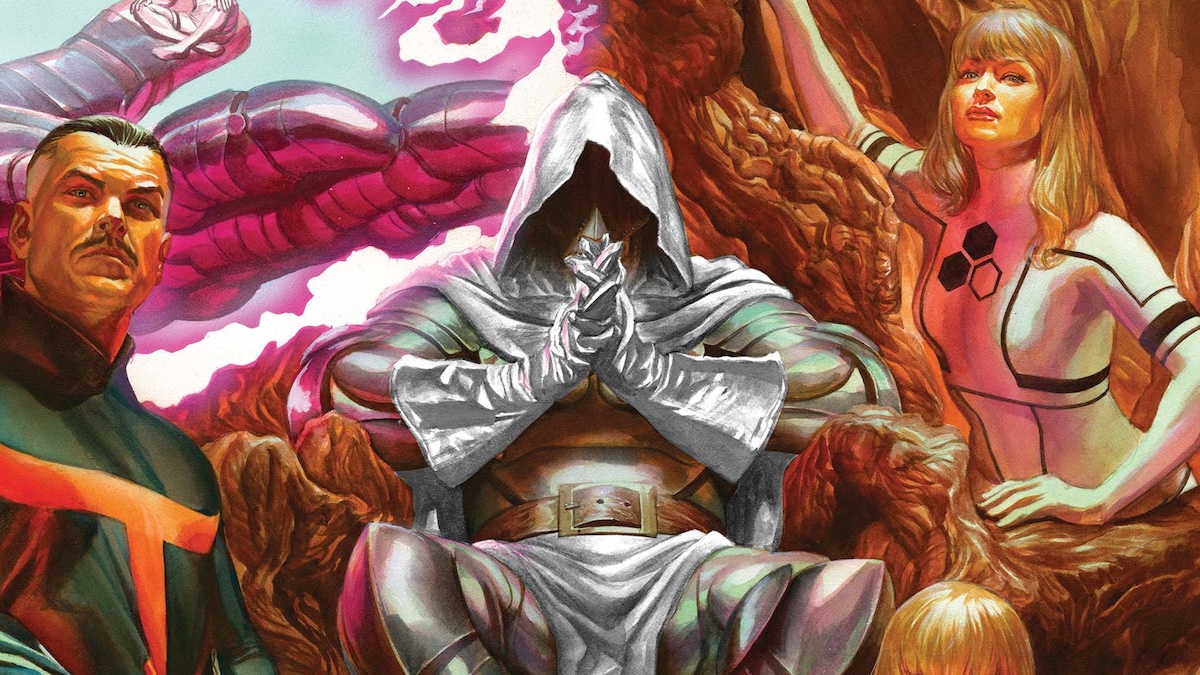
Central to the New Avengers narrative was the Illuminati, a clandestine council comprising the Marvel Universe’s most brilliant and powerful minds: Iron Man, Reed Richards, Namor, Black Bolt, Black Panther, Doctor Strange, Professor X, and initially, Captain America. Tasked with safeguarding reality, the Illuminati grappled with the horrifying reality of Incursions. Their attempts to avert these cosmic disasters led them down increasingly morally ambiguous paths, including the desperate and ethically fraught decision to destroy an entire alternate Earth to preserve their own. This existential dilemma and the clandestine actions taken by the Illuminati formed the bedrock of the overarching threat that would eventually consume the multiverse.
Echoes in the MCU: Illuminati and the Multiversal Threat
Elements of Hickman’s foundational work have already been subtly woven into the fabric of the MCU. The Doctor Strange and the Multiverse of Madness (2022) featured a variant of the Illuminati, albeit a more fractured and less unified council, comprised of characters like Reed Richards (John Krasinski), Black Bolt (Anson Mount), Captain Carter (Hayley Atwell), Captain Marvel (Lashana Lynch), and Professor X (Patrick Stewart). This iteration, while not directly involved in preventing Incursions in the film, served as a significant nod to the comic book lore. Furthermore, the film’s conclusion, with Clea (Charlize Theron) recruiting Stephen Strange to address Incursions, directly links the MCU’s multiversal narrative to the very crisis that defined Hickman’s run.
A more recent foreshadowing occurred at the end of Captain America: Brave New World (2025), where Samuel Sterns’ cryptic warning to Sam Wilson hinted at a more overtly antagonistic faction within the Marvel multiverse, potentially a darker iteration of the Illuminati or a group with similar intentions of manipulating or destroying other realities. This aligns with storylines within Hickman’s New Avengers where a more ruthless and proactive Illuminati began to assert dominance over other Earths.
The Avengers Machine and the Unification of Heroes
While the Illuminati’s actions in New Avengers have seen some representation, the main Avengers title from Hickman’s era focused on the consequences of their decisions and the subsequent formation of a new, more expansive team. When Steve Rogers, known for his moral compass, objected to the Illuminati’s extreme measures, his memory of their actions and the existence of Incursions was deliberately erased. Driven by a profound sense of guilt over the choices made and the escalating cosmic threat, Tony Stark joined forces with Steve Rogers to establish the "Avengers Machine." This was not merely a team but a global and interstellar initiative, a massive assembly of heroes from across the Marvel Universe, designed to confront the multiversal dangers head-on.
The implications for Avengers: Doomsday are significant. The film’s reported massive cast, which includes the return of Steve Rogers and Thor, the integration of the X-Men and Wakandans, and hints of heroes from other realities such as the Fantastic Four and the Fox X-Men continuity, suggests a cinematic manifestation of this "Avengers Machine." Even with the acknowledged tension and ideological differences between the established MCU Avengers and potentially clandestine organizations like Valentina Allegra de Fontaine’s Thunderbolts (who are also expected to play a role), the looming threat of Doctor Doom will necessitate an unprecedented level of cooperation. The convergence of these disparate factions and interdimensional beings paints a vivid picture of a multiversal Avengers lineup, poised to face an existential threat.
Doctor Doom: The Ultimate Adversary
At the heart of the Secret Wars narrative, and therefore likely the core conflict of Avengers: Doomsday, lies Doctor Doom. In Hickman’s comics, Doom, through his immense power and intellect, becomes the architect of Battleworld, a patchwork planet formed from the remnants of countless destroyed universes, all under his tyrannical rule. He is presented as the ultimate antagonist, a figure who wields god-like power and commands absolute authority. The prospect of Doctor Doom as the central villain in the MCU’s most ambitious crossover event to date presents a formidable challenge for Earth’s Mightiest Heroes. His character, a blend of megalomania, scientific genius, and a twisted sense of order, makes him a compelling and terrifying adversary. The MCU’s interpretation of Doom, particularly given his stature in the comics, is expected to be a significant departure from any previous cinematic portrayal and will undoubtedly be a major draw for audiences.
Broader Impact and Implications
The confirmation of Secret Wars as an inspiration for Avengers: Doomsday has far-reaching implications for the future of the MCU. It signals a deliberate move towards embracing the full scope of Marvel Comics’ multiversal storytelling, a concept that has been a cornerstone of the comics for decades. This approach allows for the seamless integration of characters and storylines from previous Marvel film franchises, as well as the introduction of entirely new universes and character iterations.
The success of Avengers: Doomsday could pave the way for a more complex and expansive MCU narrative, one that is less constrained by linear continuity and more open to exploring the vast possibilities of parallel realities. This strategic direction not only honors the rich history of Marvel Comics but also provides fertile ground for innovative storytelling and the potential for endless fan-pleasing crossovers. The film’s ability to coalesce these disparate elements into a coherent and compelling narrative will be crucial to its success and will set a precedent for how the MCU tackles multiversal threats and character introductions moving forward. The ultimate question remains whether this grand assembly of heroes will be sufficient to overcome the formidable might of Doctor Doom and preserve the integrity of their own reality, a question that will only be answered upon the film’s release.


