
Jonathan Frakes Weighs In on the State of Modern Star Trek


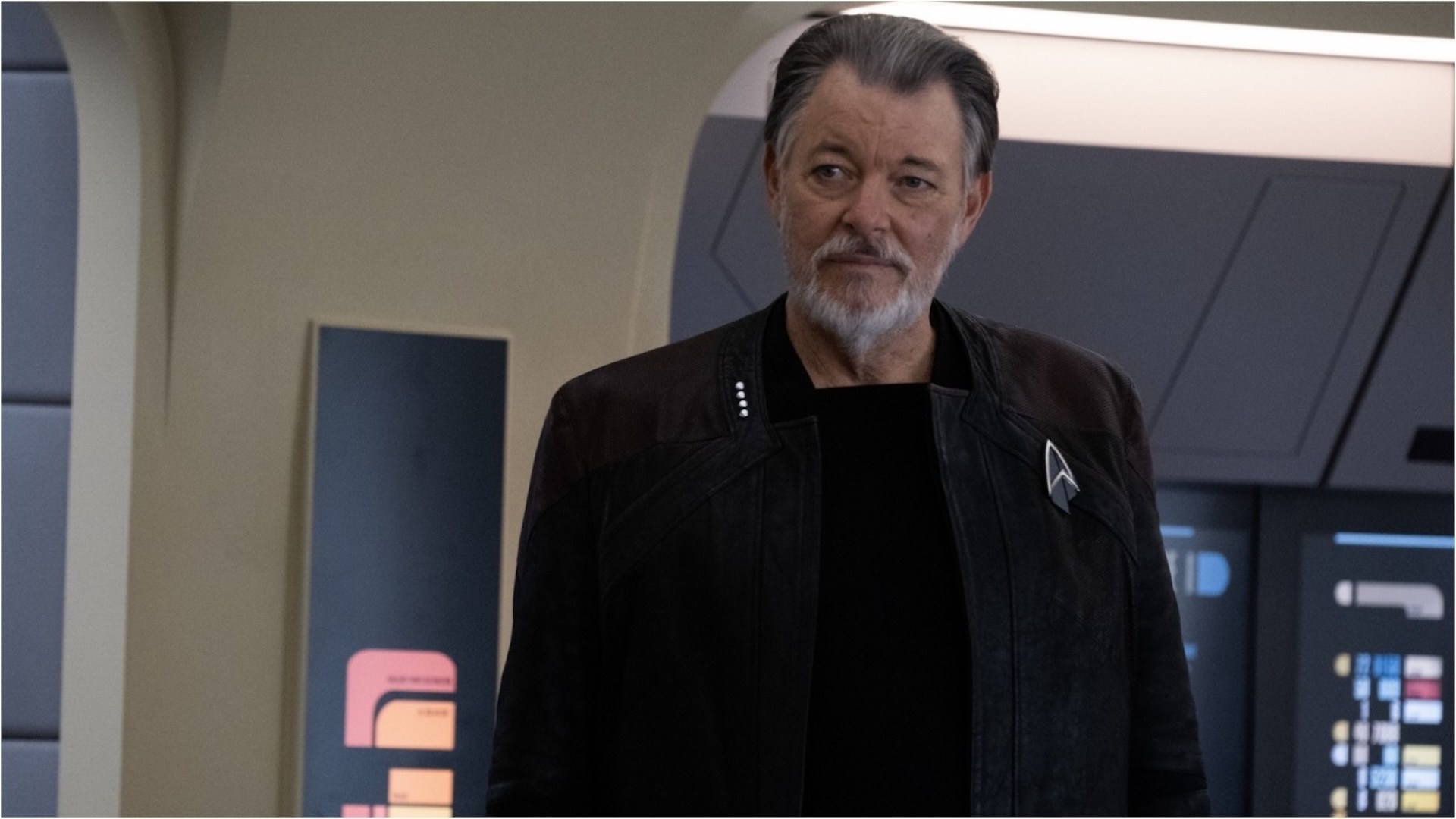
The current landscape of the Star Trek franchise, a universe that has captivated audiences for 60 years, is undergoing a period of significant transition and, for some, uncertainty. As the franchise marks its diamond anniversary, a notable lull in production and development has sparked widespread discussion among fans and industry insiders alike. Jonathan Frakes, a beloved figure in the Star Trek pantheon, known for his iconic portrayal of Commander William T. Riker and his extensive directorial work across multiple series, has offered his perspective on this evolving era.
A Franchise at a Crossroads: Production Pauses and Unanswered Questions
The year 2026 marks a pivotal moment for Star Trek. While the franchise celebrates its 60th anniversary, a stark absence of new productions has become increasingly apparent. Star Trek: Strange New Worlds, a critical darling that has explored the voyages of Captain Pike and his crew, has concluded filming on its fifth and final season. Similarly, Star Trek: Starfleet Academy, a series intended to explore a new generation of Starfleet cadets, will not extend beyond its already filmed second season. This dual conclusion leaves a significant void in the ongoing narrative of the franchise.
The implications of these developments are substantial. For the first time in over a decade, there is no active Star Trek production underway. No new series have been announced, no films are in active development, and even previously discussed projects, such as the James T. Kirk prequel tentatively titled Star Trek: Year One, appear to have stalled. The physical dismantling of the iconic Enterprise sets from Strange New Worlds further suggests a potential shift in the franchise’s direction or a pause in its current trajectory. This period of creative dormancy has left many, including those deeply involved in the franchise’s history, contemplating the future.
Frakes’s Perspective: Resilience and the Business of Show Business
Jonathan Frakes, whose tenure with Star Trek began with Star Trek: The Next Generation and has since spanned guest appearances and directorial roles in numerous subsequent series, including Star Trek: Voyager, Star Trek: Deep Space Nine, and Star Trek: Picard, has shared his candid thoughts on this unusual juncture. Speaking with TrekMovie.com’s All Access: Star Trek podcast, Frakes acknowledged the "unfortunate" nature of the current production hiatus, particularly in light of the franchise’s 60th anniversary.
"I think, sadly, to celebrate the 60th anniversary of our incredible franchise, it seemed very unfortunate that they’ve chosen this moment to not have any new Trek in production," Frakes stated. He characterized the situation as an "unfortunate irony" but expressed unwavering confidence in Star Trek’s inherent resilience. "I’m sure that Trek will resurface, it always has, and it always will. And the power that Roddenberry invested in it seems to have made it through six decades."
Frakes, who has not only acted in but also directed episodes across seven different Star Trek series and helmed two feature films, possesses a unique vantage point on the franchise’s evolution. His most recent directorial credit for the series was an episode of Starfleet Academy. He offered a multifaceted analysis of the potential reasons behind the current slowdown in Star Trek production, pointing to a confluence of factors.
"Some people who either didn’t like or didn’t approve or didn’t support the latest endeavors, for whatever reason," Frakes suggested as one potential influence. He also cited the possibility of "the changing of the guard at Paramount+ and CBS [Studios]," indicating that shifts in executive leadership can often lead to reevaluation of strategic priorities. "Perhaps it’s indecision," he added, hinting at a potential lack of clear direction.
Furthermore, Frakes highlighted the significant increase in production costs and the escalating complexity of modern television. "Perhaps it’s the amount of money it costs to make how beautiful the show is; the level of the production has become this sort of ‘shoot to thrill’ cinematic phenomenon that when we did the show back in the ‘80s, we counted on storytelling and acting and the occasional camera move [laughs]. It’s a different beast now, and that beast is very expensive, and as we know, it’s called show business." This observation underscores the economic realities that shape the entertainment industry, where the visual spectacle and high production values demanded by contemporary audiences come with a commensurate financial investment.
A Glimmer of Hope: Future Possibilities and Lingering Rumors
Despite the current pause, Frakes remains optimistic about Star Trek’s enduring appeal and its inevitable return to television and film screens. However, he expressed a degree of frustration with the lack of concrete information regarding the franchise’s future. "I’m very optimistic about the future. I just wish that something was percolating now," he admitted.
Frakes alluded to discussions about a potential new Star Trek film, noting that it is unlikely to be part of the J.J. Abrams-led Kelvin timeline continuity. Instead, he suggested it might be a "brand-new [idea]." He also mentioned that there are "percolating ideas" surrounding a potential project focusing on the origin of James T. Kirk, which aligns with earlier reports about Star Trek: Year One. However, Frakes cautioned that much of this information is based on "rumor and innuendo," and not all of it is "encouraging."
The actor and director also provided a timeline of sorts, suggesting that a Star Trek presence on air will likely continue through 2027, given the existing broadcast schedules for currently airing series. This extended timeframe provides a buffer for new projects to be developed and brought to fruition. "That gives us a lot of time to get something else in the oven, if you will," he concluded.
Historical Context and Franchise Longevity
The Star Trek franchise, created by Gene Roddenberry, first premiered in 1966 with Star Trek: The Original Series. Over six decades, it has evolved into a sprawling multimedia universe encompassing eleven television series, thirteen films, numerous novels, comic books, and video games. This remarkable longevity is a testament to its core themes of exploration, diplomacy, diversity, and the optimistic vision of humanity’s future.
The franchise has experienced periods of both immense popularity and relative quietude. Following the cancellation of The Original Series in 1969, it was revived through an active fan campaign, leading to the animated series and eventually the highly successful Star Trek: The Motion Picture in 1979. This marked the beginning of a new era for Star Trek films. The franchise experienced a significant renaissance in the late 1980s with the debut of Star Trek: The Next Generation, which spawned a new generation of series including Star Trek: Deep Space Nine, Star Trek: Voyager, and Star Trek: Enterprise.
More recently, the franchise saw a resurgence on streaming platforms, beginning with Star Trek: Discovery in 2017, followed by Star Trek: Picard, Star Trek: Lower Decks, Star Trek: Prodigy, and Star Trek: Strange New Worlds. This period has been characterized by a diverse range of storytelling approaches, from serialized narratives to episodic adventures, and a deliberate effort to appeal to both long-time fans and new audiences.
Analysis of Implications: Navigating the Business and Creative Landscape
The current production lull presents both challenges and opportunities for the Star Trek franchise. The "business of show business," as Frakes aptly puts it, dictates that creative endeavors must be financially viable. The high cost of producing visually sophisticated science fiction, coupled with evolving viewer consumption habits and the competitive landscape of streaming services, necessitates careful strategic planning.
The dismantling of sets and the cessation of production on specific series could signal a recalcitrant shift in strategy by Paramount+ and CBS Studios. This might involve a period of consolidation, a re-evaluation of existing intellectual property, or a pivot towards entirely new creative directions. The mention of a "brand-new [idea]" for a film suggests a potential departure from established continuities, aiming to capture a fresh audience or reignite interest with a novel concept.
The uncertainty surrounding projects like Star Trek: Year One also highlights the complexities of development in Hollywood. Greenlighting and executing ambitious prequel series or films require significant investment and a clear artistic vision, which can be subject to shifting corporate priorities.
However, Frakes’s optimism, rooted in the franchise’s historical resilience, offers a counterpoint to immediate anxieties. Star Trek’s enduring appeal lies in its ability to adapt and resonate with new generations while maintaining its core philosophical underpinnings. The "power that Roddenberry invested in it" continues to be a guiding force, suggesting that the fundamental principles of exploration, hope, and inclusivity will likely remain central to any future iterations of the franchise.
The upcoming years will be crucial in determining the next chapter for Star Trek. The franchise has a demonstrated history of overcoming creative droughts and reinventing itself. As Frakes suggested, the window through 2027 provides ample time for new ideas to gestate and for a strategic path forward to be solidified. The anticipation among fans, coupled with the vested interest of creators like Frakes, suggests that the Star Trek universe, though currently in a quiet phase, is poised to boldly go where it has always gone: into the future, driven by imagination and the enduring spirit of discovery. The coming months and years will undoubtedly reveal the next steps in this storied franchise’s ongoing journey.


