Exclusive Clip: Tom Chaney Unleashes Bigfoot in the First Look at SQUATCH


Thirty years after the cult success of Frostbiter: Wrath of the Wendigo, Michigan filmmaker Tom Chaney is returning to the dense wilderness with his latest creature feature, SQUATCH. This exclusive first look at the film reveals a brutal, blood-soaked tribute to America’s most enduring and enigmatic urban legend. Chaney, a filmmaker with a proven track record in the indie horror scene, aims to tap into the primal fears associated with the elusive cryptid, promising a visceral cinematic experience for fans of monster movies and folklore. The project marks a significant return for the director, reigniting interest in his distinctive brand of horror that captivated audiences nearly three decades ago with its blend of practical effects and chilling atmosphere.
The Legend Comes to Life: A Primal Hunt in the Woods
SQUATCH centers on a young man whose life is irrevocably altered by the mysterious death of his estranged father. Seeking answers and a semblance of closure, he journeys to a remote family cabin, a secluded retreat nestled deep within what is colloquially known as "Bigfoot country." The desolate beauty of the wilderness, however, soon transforms into a terrifying hunting ground as the protagonist finds himself pursued by the legendary beast itself. This narrative choice taps into a well-established trope in horror cinema – the isolated individual facing an unseen, primal threat in an unforgiving environment. The film’s premise suggests a focus on suspense, survival, and the psychological toll of confronting a creature that exists on the fringes of human understanding.
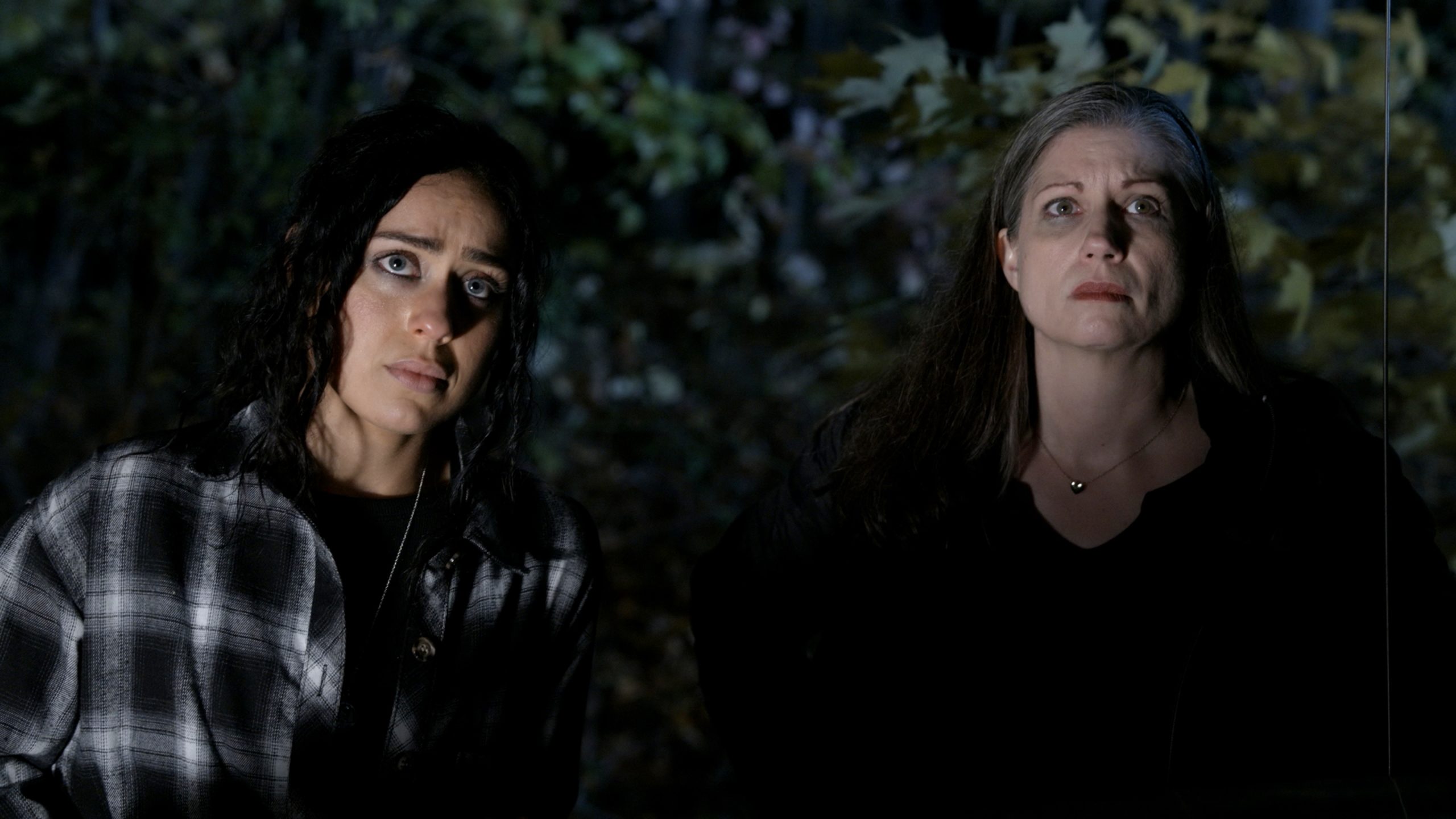
What distinguishes SQUATCH from many contemporary creature features is the tangible, imposing presence of the monster. Stepping into the formidable fur of the titular Sasquatch is former professional wrestler Jacob Southwick, widely recognized by wrestling aficionados as Madman Fulton. Southwick’s background in professional wrestling brings a unique asset to the role: a towering, intimidating physicality that promises to make the creature a truly awe-inspiring and terrifying antagonist. His experience in performing with a commanding physical presence is expected to translate directly into a believable and impactful portrayal of the legendary ape-man, moving beyond CGI-heavy depictions to a more grounded, man-in-a-suit approach that harkens back to classic monster movies.
A Reunion of Indie Horror Talent
Beyond its monstrous centerpiece, SQUATCH is also generating buzz within the independent horror community for assembling a cast that includes familiar faces and a significant reunion of talent from the acclaimed 2024 horror hit, Thorns. The film features Jack Chaney and Paige Weishuhn, adding to the familial connection within the production. More notably, Cassandra Shomer, Jon Bennett, and Bo Shumaker, who garnered critical attention for their performances in Thorns, are set to appear in SQUATCH. This regrouping of the Thorns cast signifies a deliberate choice by director Tom Chaney to leverage the chemistry and established fan base of these actors. Their previous collaboration explored cosmic horror, and their transition to the primal terror of the forest in SQUATCH suggests a versatile range and a commitment to diverse storytelling within the genre. The presence of these actors not only lends star power to the indie production but also indicates a shared creative vision and a strong working relationship with Chaney.
World Premiere at the Bigfoot Days Festival
Fans of horror and cryptid lore will have an early opportunity to witness the beastly terror of SQUATCH as the film is slated for its world premiere at the highly anticipated Bigfoot Days Festival. This unique event, dedicated to the exploration and celebration of the Sasquatch legend, will take place in Estes Park, Colorado. The festival, which has grown in prominence over the years, attracts a dedicated audience of enthusiasts, researchers, and filmmakers passionate about the mystery of Bigfoot. Hosting the premiere here provides an ideal and thematically appropriate setting, allowing the film to debut before an audience already primed to appreciate its subject matter. The screening is scheduled for Saturday, April 25th, offering a prime slot within the festival’s program. This strategic premiere location and date are expected to generate significant initial buzz and media attention, leveraging the festival’s established audience and the inherent appeal of a Bigfoot-themed film debuting at a Bigfoot-centric event.

Background and Context: The Enduring Appeal of Bigfoot
The legend of Bigfoot, or Sasquatch, has captivated the public imagination for generations. Originating from Indigenous folklore and gaining widespread traction in the mid-20th century, the creature is described as a large, hairy, bipedal ape-like being said to inhabit the forests of North America, particularly the Pacific Northwest. Numerous alleged sightings, footprints, and blurry photographic or video evidence have fueled decades of debate and speculation. While the scientific community largely regards Bigfoot as a myth, the legend persists, inspiring countless books, documentaries, films, and dedicated festivals like the one in Estes Park.
The Bigfoot Days Festival itself has become a significant cultural event for enthusiasts. Estes Park, a gateway to Rocky Mountain National Park, is often cited as a region with a history of alleged Bigfoot encounters, lending an authentic atmosphere to the gathering. The festival typically features lectures from Bigfoot researchers, panel discussions, screenings of related media, and opportunities for attendees to share their own experiences or theories. For a film like SQUATCH to premiere at such an event underscores its direct engagement with the cultural phenomenon of Bigfoot. This premiere is not merely a theatrical release; it’s a cultural immersion, positioning the film as a significant contribution to the ongoing discourse surrounding the legend.
Tom Chaney’s Return to Creature Features
Tom Chaney’s directorial career has seen him carve out a niche in the horror genre. His 1996 film, Frostbiter: Wrath of the Wendigo, became a cult classic, celebrated for its practical effects, dark humor, and its exploration of regional folklore. The Wendigo, a creature from Algonquian folklore associated with cannibalism and insatiable hunger, shares thematic similarities with Bigfoot in its portrayal as a primal, monstrous entity tied to the wilderness. Chaney’s return to creature features with SQUATCH suggests a continued interest in mythological beings and their cinematic potential. The thirty-year gap between Frostbiter and SQUATCH allows for a re-evaluation of his filmmaking style, potentially incorporating modern techniques while retaining the practical, hands-on approach that defined his earlier work. The success of Frostbiter has laid a foundation of audience expectation for his new venture, with many eager to see how his interpretation of Bigfoot will compare to previous cinematic portrayals.

The Implication of a Physical Performance
The casting of Jacob Southwick (Madman Fulton) as the physical embodiment of Sasquatch is a significant decision with potential implications for the film’s authenticity and impact. In an era where many creature effects are achieved through CGI, a strong physical performance can lend a grounded reality to the monster. Southwick’s wrestling background suggests a capacity for conveying menace and raw power through his physicality, which can be particularly effective in a creature feature where the monster’s movements and presence are crucial to its terror. This approach can evoke a sense of tangible threat, making the creature feel more present and less like a digital construct. The effectiveness of this approach will hinge on the creature design and how Southwick’s performance is integrated into the narrative, but the choice itself signals a commitment to a more classic, practical monster movie aesthetic.
A Chronology of Anticipation
The announcement of SQUATCH and its upcoming premiere at the Bigfoot Days Festival follows a period of development and production that has been closely watched by a segment of the horror community. While specific production timelines are often kept under wraps for independent films, the reveal of an exclusive clip and the confirmation of a world premiere at a dedicated festival suggest that the film is nearing its public debut. The journey from the initial concept, likely involving script development and casting, to the final stages of post-production and distribution, is a complex process. The choice of a festival premiere, particularly one with such a niche and engaged audience, is a strategic move. It allows for immediate feedback from a core demographic, can generate organic word-of-mouth, and provides a platform for securing further distribution deals. The date of April 25th, 2026, for the premiere is a fixed point in this chronology, marking the culmination of this development cycle and the beginning of the film’s public life.
Broader Impact and Implications for Indie Horror
The success of SQUATCH could have broader implications for the independent horror film landscape. In a market often dominated by major studio releases, independent films like this rely on strong concepts, dedicated filmmaking, and the ability to tap into passionate fan bases. Tom Chaney’s established reputation, combined with the enduring appeal of the Bigfoot legend and the reunion of talent from a successful prior film, provides a strong foundation. If SQUATCH resonates with audiences and critics at its premiere, it could encourage further investment in creature features and folklore-inspired horror. Furthermore, the film’s premiere at a specialized festival like Bigfoot Days highlights the growing importance of niche events in the film industry, offering filmmakers direct access to their target audiences and fostering a sense of community around specific genres and subjects. The film’s reception could serve as a barometer for the continued viability of practical effects and character-driven monster stories in an increasingly digital filmmaking environment. The narrative’s exploration of grief and familial mystery, intertwined with the primal terror of a creature feature, suggests a potential for thematic depth that could elevate it beyond a simple scare-fest, appealing to a wider audience within the horror spectrum.