
Cyberpunk Platformer Replaced Achieves Strong Debut Success as Sad Cat Studios Addresses Launch Day Technical Hurdles


Sad Cat Studios has officially launched its highly anticipated 2.5D retro-futuristic platformer, Replaced, marking a significant milestone for the independent developer following a tumultuous development cycle that spanned several years. The studio characterized the initial launch as a "strong debut success," noting that the game has resonated with a dedicated community that has followed its progress since its striking reveal at E3 2021. Despite the positive commercial and critical reception, the developers have acknowledged the presence of several technical "rough edges" that they intend to address through a series of upcoming quality-of-life patches and feature updates.
Set in an alternative, dystopian 1980s America, Replaced transports players into a world devastated by a catastrophic nuclear event. The narrative follows the journey of Reach, an artificial intelligence that finds itself involuntarily transferred into a human body. This central conflict—an entity designed for logic and data processing navigating the complexities and vulnerabilities of human biology—serves as the emotional and philosophical anchor of the experience. The game’s setting, Phoenix-City, is depicted as a grim, neon-lit landscape where society has been rebuilt under the shadow of corporate greed and social decay, providing a stark backdrop for the title’s cinematic action and platforming sequences.
A Protracted Development Timeline
The path to the release of Replaced was marked by significant external challenges and multiple delays that tested the resilience of the Sad Cat Studios team. Originally slated for a 2022 release, the project faced its first major hurdle following Russia’s invasion of Ukraine. With team members based in Belarus and Ukraine, the studio was forced to prioritize the safety and relocation of its staff, leading to an indefinite pause in development during the early months of the conflict.
The timeline of the game’s delays reflects the complex reality of independent game development during a period of global instability:
- June 2021: Replaced is announced during the Xbox & Bethesda Games Showcase, instantly becoming one of the most wishlisted games on Steam due to its unique "cinematic pixel art" style.
- May 2022: Sad Cat Studios announces the first major delay, citing the physical and mental impact of the war in Ukraine on their development team.
- August 2023: A second delay is announced, pushing the release window into 2024 to ensure the game meets the high visual standards set by its trailers.
- August 2024: The studio informs fans that the game requires further refinement, moving the target to 2025.
- Early 2025: A final strategic delay pushes the game into its eventual 2026 release window to allow for final polishing and optimization across multiple platforms.
The successful launch this Tuesday represents the culmination of over five years of intensive labor, surviving geopolitical crises and the immense pressure of high industry expectations.
Initial Launch Reception and Performance
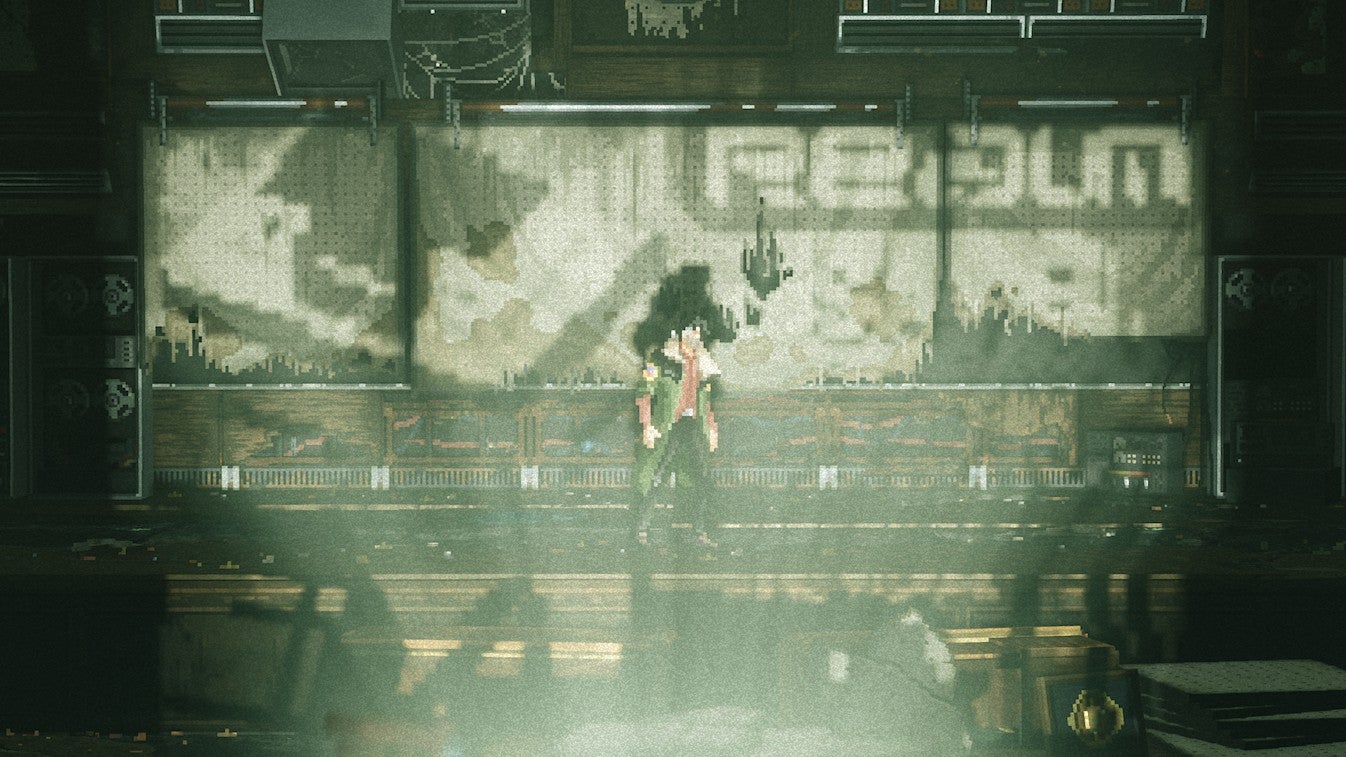
Upon its release, Replaced quickly climbed the charts on digital storefronts, benefitting from its inclusion in the Xbox Game Pass library and strong organic interest on Steam. Early player feedback has praised the game’s atmosphere, lighting, and animation quality. The "2.5D" aesthetic—which utilizes 3D depth and dynamic lighting applied to traditional pixel art—has been cited as a benchmark for the genre, creating a sense of scale and immersion rarely seen in side-scrolling titles.
Writing on the game’s official Discord server, a representative for Sad Cat Studios expressed profound gratitude to the community: "On behalf of everyone at Sad Cat Studios, I want to thank each and every one of you for playing the game! Replaced has become a strong debut success for us and it wouldn’t have been such without a dedicated community like the one we have right here. You are the real GOATs."
However, the launch has not been without its difficulties. As is common with ambitious indie titles, the first wave of players encountered several bugs that have impacted the user experience. Steam reviews and community forums have highlighted specific issues, including:
- Camera Malfunctions: Players have reported the camera glitching or locking in place, occasionally requiring a manual restart of the game to progress.
- Animation Overlap: Reach’s character animations have, in certain combat scenarios, overlapped with enemy sprites, leading to visual clipping and occasional gameplay hitches.
- Scripting Errors: Interaction prompts for environmental objects have sometimes triggered incorrectly, causing cutscenes to glitch or preventing players from initiating necessary story beats.
- Performance Stuttering: On some PC configurations, the heavy use of volumetric lighting and high-fidelity pixel effects has resulted in frame rate drops in the more crowded areas of Phoenix-City.
Official Response and Quality of Life Roadmap
Sad Cat Studios has been proactive in addressing these concerns, maintaining a transparent dialogue with its player base. The studio acknowledged that while the core experience is intact, the "rough edges" are a priority for the development team. In their recent statement, they confirmed that a comprehensive "quality of life patch roadmap" is currently in development.

This roadmap is expected to prioritize critical bug fixes before moving on to broader optimizations. Beyond stability, the studio has also hinted at "much anticipated features" that were not ready for the day-one build but are planned for inclusion in future updates. While the specifics of these features remain under wraps, community speculation points toward additional difficulty settings, a photo mode to capture the game’s distinct art style, and potentially an expanded "New Game Plus" mode to increase replayability.
The studio’s commitment to post-launch support is seen by industry analysts as a vital step in maintaining the momentum of its "debut success." By addressing technical flaws early, Sad Cat Studios aims to solidify Replaced’s reputation as a modern classic in the cinematic platformer subgenre.
Technical Innovation in Cinematic Pixel Art
One of the primary reasons for the intense interest in Replaced is its technical execution of pixel art. Unlike traditional 16-bit or 32-bit inspired games, Replaced uses a modern rendering pipeline. The developers utilized 3D environments as a base, overlaying them with meticulously handcrafted pixel textures. This allows for realistic camera movements, such as rack focusing and cinematic pans, which are traditionally difficult to achieve in a 2D space.
The lighting system is particularly noteworthy, featuring real-time shadows and reflections that interact with the pixelated surfaces of the world. This creates a "retro-futuristic" feel that mirrors the game’s narrative themes—combining the old (pixel art, 1980s setting) with the new (advanced AI, modern rendering techniques). This aesthetic choice has been a double-edged sword, contributing to the game’s visual "wow factor" while also increasing the complexity of the debugging process, as seen in the launch-day camera and animation issues.
Broader Implications for the Indie Development Landscape
The story of Replaced is emblematic of the broader trends and struggles within the contemporary indie gaming scene. It highlights the "indie-plus" or "III" (Triple-I) phenomenon, where small teams attempt to deliver games with production values that rival major AAA studios. The high level of polish required for such titles often leads to the very delays and technical hurdles experienced by Sad Cat Studios.

Furthermore, the game’s development history serves as a reminder of how global politics can directly intersect with the creative industries. The resilience of the Sad Cat team in the face of displacement and war has been lauded by peers across the industry. Their ability to deliver a commercially successful product under such circumstances is being viewed as a testament to the talent and determination present in the Eastern European development hub.
As the studio moves forward with its patch schedule, the long-term success of Replaced will likely depend on how quickly these technical grievances can be resolved. For now, the game stands as a significant achievement in visual storytelling and a promising start for a studio that has overcome immense odds to bring its vision to life.
Conclusion and Future Outlook
Replaced has successfully navigated a perilous journey from its 2021 reveal to its 2026 launch. While the "rough edges" of its initial release are a point of contention for some, the underlying strength of its narrative, world-building, and artistic direction has secured its place as a standout title of the year.
The coming months will be critical for Sad Cat Studios as they execute their roadmap and work to transition Replaced from a "strong debut" into a polished, enduring experience. With the promise of new features and continued support, the AI known as Reach and the neon-soaked ruins of Phoenix-City are poised to remain a topic of conversation among gamers and critics alike for the foreseeable future. For a debut studio, achieving this level of cultural impact and commercial viability is a rare feat, signaling that despite the delays, Replaced was—for many—well worth the wait.


