
Alexander Morton Renowned Actor and Voice of Zoltan Chivay in The Witcher Series Dies at 81


The entertainment industry is mourning the loss of Alexander Morton, a distinguished Scottish actor whose career spanned over five decades across stage, screen, and digital media. Morton, perhaps best known to television audiences for his long-running role in the BBC drama Monarch of the Glen and to millions of gamers as the voice of the iconic dwarf Zoltan Chivay in The Witcher franchise, passed away at the age of 81. His death marks the end of a prolific career that bridged the gap between traditional British character acting and the burgeoning world of high-budget video game performance.
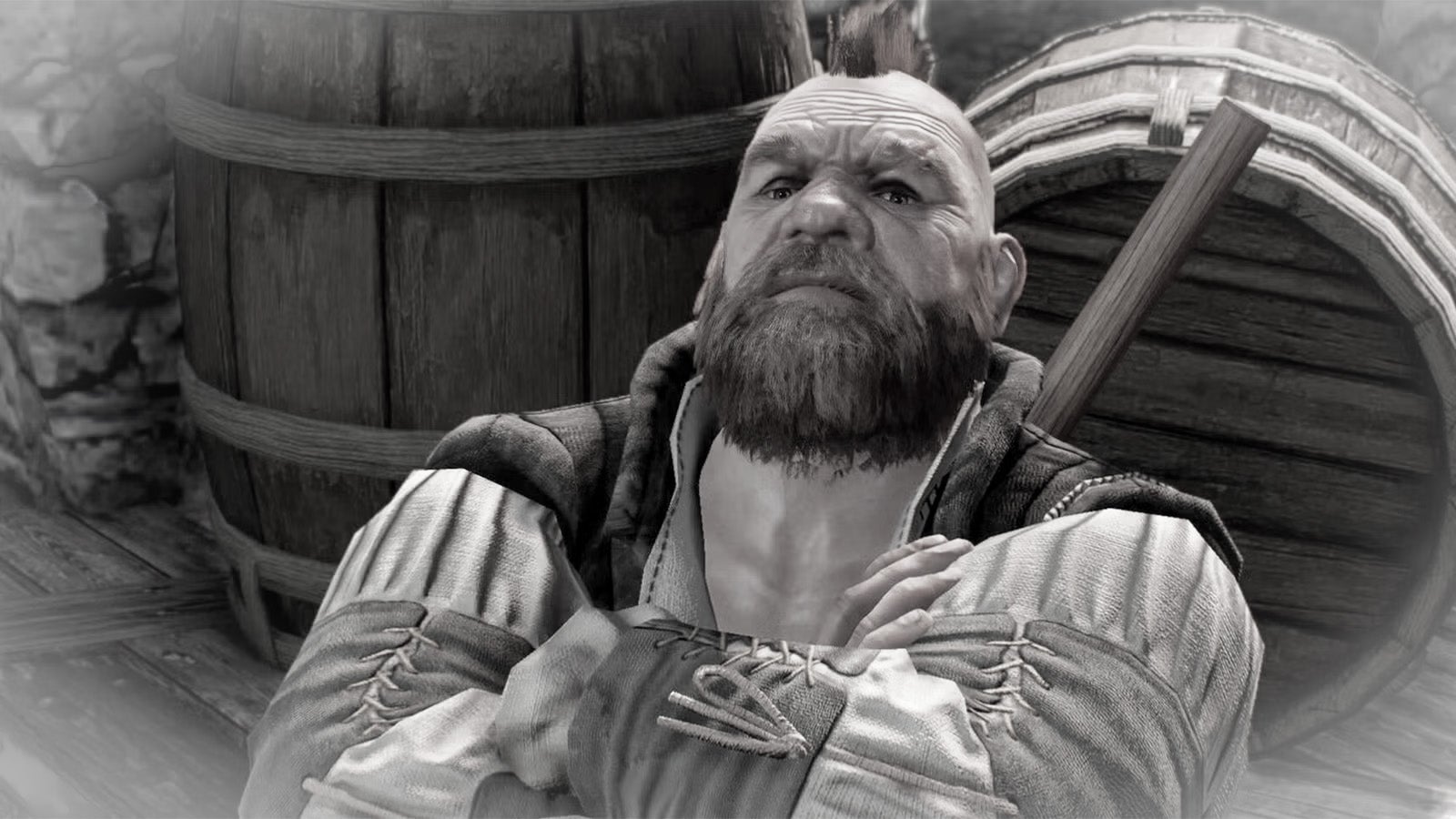
The news was confirmed and commemorated by CD Projekt Red, the Polish developer behind The Witcher series, which issued a heartfelt tribute to the actor via social media. The studio highlighted Morton’s contribution to the narrative depth of their world-renowned RPGs, stating that the "Continent"—the fictional setting of the series—is already feeling the void left by his departure. Morton’s portrayal of Zoltan Chivay is widely regarded by fans and critics alike as one of the most authentic and memorable performances in modern gaming, providing a grounded, soulful, and often hilariously cynical counterpoint to the series’ dark fantasy themes.
A Legacy in the Highlands: The Television Career of Alexander Morton
Born in Glasgow in 1943, Alexander Morton established himself as a cornerstone of Scottish performing arts long before he became a household name in the world of interactive entertainment. His career was rooted in the gritty, realistic tradition of Scottish drama, often portraying characters defined by their resilience, dry wit, and underlying warmth.
Morton’s most recognizable television role was that of Golly Mackenzie in the BBC’s Monarch of the Glen. Appearing in all 64 episodes of the series, which ran from 2000 to 2005, Morton played the head ghillie of the Glenbogle estate. His character served as the show’s moral compass and a bridge between the traditional ways of the Scottish Highlands and the modern pressures facing the fictional MacDonald family. Through Golly, Morton showcased a quiet authority and a deep-seated connection to the landscape, qualities that would later inform his work in the fantasy genre.
Prior to his success in Monarch of the Glen, Morton was a frequent presence on British television screens. He held significant roles in long-running staples of Scottish broadcasting, such as Take the High Road, where he played Andy Semple, and the seminal police procedural Taggart. His ability to inhabit complex, often stern characters led to roles in modern prestige dramas as well, including appearances in the BBC’s Shetland and the acclaimed psychological crime thriller Luther, starring Idris Elba.
The Voice of Zoltan Chivay: A Digital Icon
While his television work made him a recognizable face in the United Kingdom, it was his voice that carried his fame across the globe. In 2011, Morton joined the cast of The Witcher 2: Assassins of Kings, taking over the role of Zoltan Chivay. Zoltan, a dwarf veteran and close friend of the protagonist Geralt of Rivia, required a voice that could convey both the weariness of a soldier and the boisterousness of a tavern-dweller.
Morton’s performance was an immediate hit. He brought a unique, gravelly Scottish lilt to the character that felt organic to the world created by author Andrzej Sapkowski and expanded by CD Projekt Red. Unlike many fantasy portrayals of dwarves that lean into caricature, Morton’s Zoltan was layered with genuine pathos. Whether he was advising Geralt on the political machinations of the Northern Kingdoms or engaging in a game of Gwent, Morton’s delivery was imbued with a sense of lived-in history.
He reprised the role in 2015 for The Witcher 3: Wild Hunt, a game that went on to become one of the most critically acclaimed and commercially successful titles in history. In Wild Hunt, Zoltan’s role was expanded, involving the character in major questlines that dealt with the persecution of non-humans and the defense of the city of Novigrad. Morton’s chemistry with Doug Cockle, the voice of Geralt, became a highlight of the game, representing one of the few stable friendships in a world defined by betrayal and chaos.
Beyond The Witcher: A Prolific Voice Acting Resume
Morton’s success in The Witcher was not an isolated incident in the gaming world. He became a sought-after voice talent for developers looking for gravitas and character-driven performances. His credits in the medium reflect a high level of versatility:

- Ni No Kuni: Wrath of the White Witch: Morton voiced Old Father Oak, a pivotal ancient entity that guides the young protagonist, Oliver. In this role, he pivoted from the gruffness of Zoltan to a more mystical, paternal tone.
- LittleBigPlanet Vita: He took on the role of The Puppeteer, the primary antagonist, demonstrating his ability to play theatrical and menacing characters.
- Fable 2 and Killzone 2: Morton provided additional voices for these flagship titles, contributing to the atmospheric world-building that defined the Xbox and PlayStation ecosystems of the late 2000s.
- Heavenly Sword and Viking: Battle for Asgard: His work in these action-heavy titles utilized his commanding vocal presence to enhance the epic scale of their respective mythological settings.
Chronology of a Five-Decade Career
The timeline of Alexander Morton’s career reflects the evolution of the acting profession itself, moving from the stage to the height of the digital age.
- 1960s-1970s: Morton began his journey in theater, performing with prestigious companies such as the Citizens Theatre in Glasgow. This period focused on classical training and live performance, honing the vocal projection and character study that would become his trademarks.
- 1980s-1990s: He transitioned heavily into television. His work on Taggart and Take the High Road established him as a reliable and powerful character actor in the UK.
- 2000-2005: The Monarch of the Glen era. This period marked his peak visibility on British television, making him a beloved figure in the Sunday night "cosy drama" slot, though his character often provided the show’s most poignant and serious moments.
- 2011-2015: The Witcher era. Morton entered the world of AAA gaming, reaching a new, international audience of millions. His work during these years coincided with the period when video game narratives began to be recognized for their cinematic quality.
- 2015-2024: Morton continued to work in television and voice-over, maintaining his status as a veteran of the industry. His later roles in Shetland and Luther showed that his screen presence remained as sharp as ever in his seventies and eighties.
Official Responses and Industry Impact
The passing of Alexander Morton has prompted a wave of tributes from the creative communities he touched. CD Projekt Red’s statement was particularly resonant with the gaming community: "Thank you for bringing Zoltan to life. The Continent is already missing you." This sentiment was echoed by fans on social media platforms, many of whom cited Zoltan as their favorite companion character in the RPG genre.
Industry analysts note that Morton was part of a crucial generation of actors who helped elevate the standards of voice acting in games. By bringing the same level of professional rigor to a recording booth as he did to a television set, Morton helped bridge the gap between "game voices" and true dramatic performances. His work helped prove that the regional accents of the British Isles, particularly the rugged Scottish tones he mastered, could provide a sense of authenticity and "earthiness" to high-fantasy settings that generic accents often lack.
Colleagues from Monarch of the Glen and the Scottish acting community have also expressed their grief, remembering him as a consummate professional and a mentor to younger actors on set. In the tight-knit world of Scottish broadcasting, Morton was viewed as a foundational figure whose presence ensured a certain level of quality and gravitas.
Broader Implications and Final Reflections
The death of Alexander Morton is a significant loss for the cultural landscape of Scotland and the global gaming community. He belonged to a class of actors who did not seek the spotlight of stardom but instead focused on the craft of the "character actor"—the essential figures who populate stories with believable, textured, and memorable individuals.

His legacy will endure through the digital medium. Unlike stage performances that fade into memory or television shows that may fall out of syndication, Morton’s performance as Zoltan Chivay is preserved in a medium that is constantly being rediscovered by new generations. Every time a new player begins The Witcher 3, they will meet Zoltan in the streets of Novigrad, and they will hear the wit, wisdom, and warmth of Alexander Morton.
As the industry continues to evolve toward more cinematic storytelling, the path blazed by actors like Morton—moving seamlessly between the BBC and major game studios—will become the standard. He leaves behind a body of work that serves as a masterclass in how to use the human voice to build a world, whether that world is a quiet glen in the Highlands or a war-torn continent filled with monsters and magic. Alexander Morton is survived by his family, friends, and a global community of fans who will long remember the man who gave a soul to a dwarf and a heart to the glen.


