Ryan Murphy to Direct Brides of Blood as the Latest Entry in the Modern Vampire Renaissance

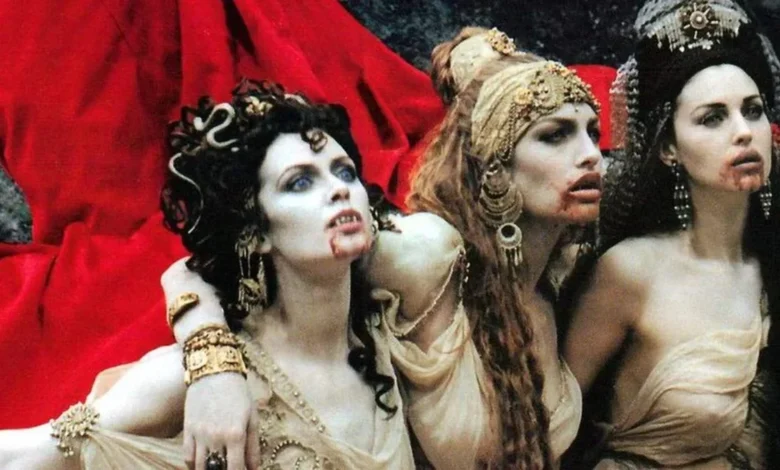
The vampire subgenre is currently undergoing a significant resurgence in global popular culture, marked by the critical and commercial success of AMC’s Interview with the Vampire series and high-profile cinematic releases such as Robert Eggers’ Nosferatu and the upcoming thriller Sinners. Despite this renewed interest in the lore of the undead, the titular character of Bram Stoker’s 1897 foundational text, Count Dracula, has remained largely absent from major television production pipelines, aside from niche projects like the recent steamy audiobook adaptation featuring Jonathan Bailey. However, this drought is set to end with a new production from prolific television producer Ryan Murphy. In a recent interview with Vanity Fair, Murphy confirmed that he is set to begin production on a new series titled Brides of Blood, which will center on the legendary undead consorts of Dracula.
The Genesis of Brides of Blood
The announcement marks a departure for Murphy, who has spent over a decade defining the modern horror television landscape through his work on American Horror Story, Scream Queens, and the Netflix true-crime anthology series Monster. While Murphy has previously flirted with vampiric themes—most notably in American Horror Story: Hotel, which featured Lady Gaga as an ancient, blood-drinking countess—he has rarely ventured into the traditional gothic lore of the Victorian era.
According to Murphy, the project is deeply personal, serving as a creative homage to his grandmother. During his interview with Vanity Fair, Murphy explained the tonal direction of the upcoming project: “I’m making a vampire tale called Brides of Blood, so I can pay homage to my grandmother and what she loved—what we loved together. There’s always something for everybody.” He further clarified that while some of his projects, like the upcoming series All’s Fair, are designed to be lighter, “white wine” viewing experiences, Brides of Blood will lean into his long-held fascination with the secondary figures of the Dracula mythos. Production is scheduled to commence in Europe in December, signaling a high-budget, location-based aesthetic for the series.
A Chronology of Dracula in Media
The history of Dracula on screen is one of constant adaptation, reflecting the shifting anxieties of the eras in which they were produced. The character has appeared in more films than almost any other fictional monster, with the Guinness World Records often citing Dracula as the most portrayed literary character in cinematic history.
- 1922: F.W. Murnau releases Nosferatu, an unauthorized adaptation that established the visual language of the vampire on screen.
- 1931: Bela Lugosi stars in Universal’s Dracula, cementing the image of the aristocratic, charismatic vampire in the public consciousness.
- 1958: Hammer Horror’s Dracula, starring Christopher Lee, introduces the visceral, blood-soaked aesthetic that dominated the 1960s and 70s.
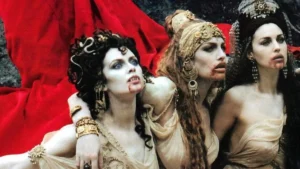
- 1992: Francis Ford Coppola’s Bram Stoker’s Dracula brings a high-budget, gothic romance sensibility to the story, highlighting the brides as pivotal, if secondary, characters.
- 2020: Screenwriter Robert Aguirre-Sacasa pitches a series focused on the Brides of Dracula to NBC, which ultimately failed to move beyond the pilot stage.
- 2024–2025: The current "vampire moment" takes hold with successful adaptations of Anne Rice’s works and the theatrical release of modern interpretations of Stoker’s source material.
Analyzing the Shift to Secondary Characters
The decision to focus on the "Brides" rather than the Count himself reflects a broader trend in television production: the "deconstruction" of classic monster narratives. By focusing on the female vampires—who are traditionally depicted as ephemeral, subordinate, and ultimately disposable in the original novel—Murphy is positioning the series to address the power dynamics of the Dracula myth.
Historical and literary analysis suggests that the Brides of Dracula represent a distinct fear of liberated, predatory femininity within the Victorian period. By centering them as the protagonists, the series will likely explore their origins, their servitude to the Count, and their potential for autonomy. This narrative strategy has proven successful in recent years, as seen in the success of spin-offs and reboots that grant agency to previously marginalized characters in classic literature.
Production and Industry Implications
While official casting details have not yet been released, industry observers anticipate that the production will rely on "Murphy-regulars"—a rotating stable of actors who have frequently collaborated with the producer, including Sarah Paulson, Evan Peters, or Emma Roberts. The choice of Europe as the primary filming location suggests a commitment to the "Old World" gothic atmosphere that has been missing from recent, more stylized vampire content.
Financially, the move is calculated. With the rise of streaming platforms like Netflix, which has a long-standing output deal with Murphy’s production company, there is a constant demand for high-concept, recognizable intellectual property (IP). Dracula remains one of the most recognizable brands in horror, and by focusing on the Brides, Murphy can leverage the familiarity of the Dracula name while offering a fresh, potentially more serialized, and character-driven narrative.
Market Context and Competition
The market for vampire content is currently crowded, which presents both a challenge and an opportunity for Brides of Blood. The success of Interview with the Vampire on AMC has set a high bar for production quality, writing, and performance. Furthermore, the 2024 Nosferatu remake has garnered significant buzz, reminding audiences of the character’s roots in silent film expressionism.
However, Murphy’s brand of "camp" and high-gloss horror provides a unique differentiator. Unlike the somber, brooding tone of the Rice adaptations, Murphy’s work is characterized by a specific blend of melodrama, period-accurate costume design, and shocking, stylized violence. This stylistic choice is expected to attract a younger, social-media-savvy demographic that may find the traditional "Count" stories too repetitive.
The Role of the "Brides" in Literature
In Bram Stoker’s original 1897 novel, the three Brides are encountered by Jonathan Harker in Castle Dracula. They are described as having "radiant, burning eyes" and "voluptuous" beauty, acting as the primary agents of seduction and death within the castle walls. Despite their iconic status, they are dispatched relatively quickly, serving as obstacles to be overcome by the male protagonist, Van Helsing.
By expanding their story into a full series, the writers of Brides of Blood have the opportunity to engage in "retrospective world-building." This involves filling in the gaps of their history: Who were they before they were turned? How did they navigate their existence in the centuries between their transformation and their eventual meeting with Harker? These questions provide a fertile ground for a multi-season arc that moves beyond the limitations of the original text.
The Future of the Murphy-verse
The announcement of Brides of Blood solidifies Ryan Murphy’s status as the primary architect of modern horror television. As he moves from the psychological terror of his previous anthologies to the supernatural gothic of the vampire genre, the industry will be watching to see if he can successfully recontextualize one of literature’s oldest monsters.
The project is currently in the pre-production phase. With the December start date approaching, further announcements regarding the cast, distribution platform, and specific narrative scope are expected in the coming months. For now, the project stands as a testament to the enduring power of the Dracula mythos—and the willingness of modern creators to look at the shadows of that myth to find new, compelling stories to tell. The transition from the "Count" as the primary focus to his "Brides" represents a significant evolution in how television producers treat classic horror, signaling a broader movement toward character-driven explorations of genre icons. Whether the series will lean into the tragic, the terrifying, or the campy, it is clear that the vampires of the 21st century are far from being laid to rest.