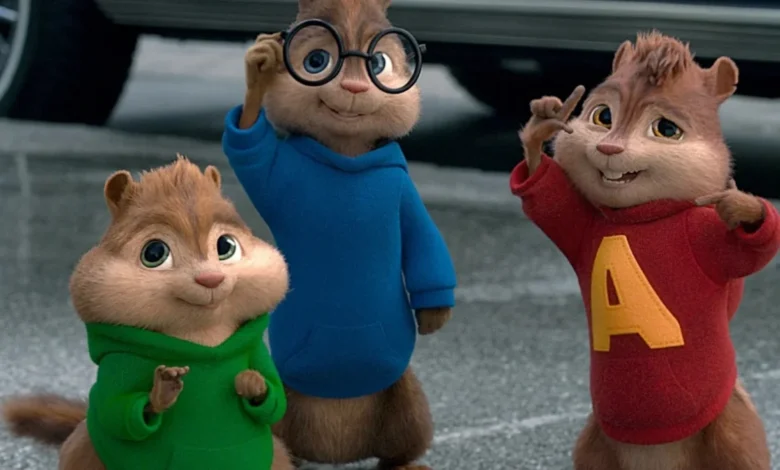
The controversy erupted following the release of promotional content for the upcoming Alvin and the Chipmunks reboot, slated for release in 2028. Fans swiftly expressed alarm over a depicted "new look" for the iconic character Alvin, perceiving drastic alterations to his appearance as indicative of artificial intelligence generation. This digital uproar was particularly pronounced given existing skepticism among the fanbase concerning the necessity of yet another reboot for the long-standing franchise. While the production studio had not previously indicated any intention to utilize AI in the film’s development, the visual evidence presented in the promotional material was sufficient to trigger a significant public debate. In response to the escalating concerns, the owners of Bagdasarian Productions, Janice Karmen and Ross Bagdasarian Jr., have issued a public statement through their son, Michael Bagdasarian, aiming to clarify the situation and allay fan fears.
The Genesis of Concern: A Chronological Account
The saga began with the announcement of a new Alvin and the Chipmunks film, set to refresh the beloved characters for a contemporary audience. This news was met with a mixed reception, as some fans voiced weariness over the continuous reboots of established franchises, questioning the creative direction and potential for diminishing returns on nostalgia. The skepticism simmered until a specific promotional video, disseminated on platforms like Instagram, showcased a text conversation between Alvin, Simon, and Theodore. In this exchange, Alvin presented a picture of his "new look" to his brothers.
The image that flashed across the screen featured Alvin heavily processed under multiple digital filters, resulting in an appearance that many described as "uncanny" or unsettling. This aesthetic immediately resonated with the growing anxieties surrounding AI-generated imagery, which often exhibits subtle distortions, unusual textures, or a lack of organic detail that can trigger an "uncanny valley" response in human observers. The immediate and widespread reaction across social media platforms, particularly X (formerly Twitter) and Instagram comment sections, saw fans vociferously accusing the production of employing AI, expressing disappointment, and even threatening boycotts. The sentiment was captured by one fan’s comment, "This looks like AI tried to make Alvin an influencer," encapsulating the dual concerns of stylistic deviation and technological appropriation.
The outcry gained significant traction, amplified by fan communities dedicated to the franchise, such as "ChipmunkMania" on X, which served as a hub for discussions and aggregation of fan sentiment. It was through these channels that Michael Bagdasarian, a voice actor and the son of Janice and Ross Bagdasarian Jr., reportedly engaged directly with a concerned fan. These private communications were subsequently made public by ChipmunkMania, providing the first official clarification regarding the controversial image.
The Unsettling Specter of AI in Creative Industries
The swift and intense reaction to the Alvin and the Chipmunks promotional image is not an isolated incident but rather a symptom of a broader, deeply entrenched debate within the entertainment industry regarding the role and ethics of Artificial Intelligence. The past year has seen unprecedented discussions surrounding AI’s impact on creative professions, notably highlighted during the Writers Guild of America (WGA) and SAG-AFTRA strikes in Hollywood. Both unions identified AI as a critical threat to the livelihoods of writers and actors, with concerns ranging from job displacement to the unauthorized use of artists’ likenesses and creative works for training AI models.
This climate of apprehension has made audiences and industry professionals acutely sensitive to any perceived integration of AI into creative processes. Previous instances, such as the AI-generated opening credits for Marvel’s Secret Invasion series, also drew criticism for their perceived lack of human touch and the potential implications for visual effects artists. The fear is multifaceted: it encompasses the potential for job loss among animators, illustrators, and designers; the erosion of artistic integrity and unique creative vision; and the production of soulless, generic content lacking the nuances and emotional depth typically associated with human artistry. For a beloved franchise like Alvin and the Chipmunks, which has cultivated a multi-generational fanbase through distinct character designs and narratives, any perceived shortcut or deviation from traditional creative methods is met with intense scrutiny and often, outright rejection.
A Storied History: The Alvin and the Chipmunks Franchise
The Alvin and the Chipmunks franchise boasts a rich and enduring history, originating in 1958 with the creation of the singing chipmunks Alvin, Simon, and Theodore by Ross Bagdasarian Sr. The anthropomorphic chipmunks, characterized by their high-pitched voices achieved through sped-up recordings, quickly became a cultural phenomenon, first through hit records and later expanding into various media.
Over the decades, the franchise has seen numerous iterations, including "The Alvin Show" in the 1960s, "Alvin and the Chipmunks" animated series in the 1980s, and a CGI-animated series launched in 2015. Perhaps most notably, the franchise experienced a significant resurgence with a series of live-action/CGI feature films beginning in 2007, which grossed over $1.3 billion worldwide across four installments. Each iteration brought with it updates to the characters’ designs and narratives, often met with varying degrees of fan acceptance.
The consistent re-imagining of the Chipmunks, while keeping the franchise relevant, has also cultivated a segment of the fanbase that is wary of excessive reboots. The announcement of yet another film, particularly after the relatively recent animated series and film quadrilogy, prompted questions about creative fatigue and the potential for milking intellectual property without fresh artistic vision. This underlying skepticism provided fertile ground for the AI controversy to take root, as fans sought to understand the direction of the new project and ensure the integrity of the characters they cherished. It’s also worth noting that Bagdasarian Productions itself has been reportedly for sale with a massive price tag, underscoring the significant financial value and ongoing commercial potential of the franchise, which can sometimes lead to heightened pressure for marketable content.
Fan Outcry: The Digital Echo Chamber
The specific concerns raised by fans regarding Alvin’s "new look" extended beyond the mere suspicion of AI. Many voiced apprehension that the stylistic departure represented a fundamental misunderstanding of the characters’ established aesthetic and personality. The heavily filtered, almost influencer-like appearance of Alvin in the promo was seen as a superficial attempt to modernize the character, stripping away the charm and timelessness that defined his appeal. Fans lamented the perceived loss of the "classic" Chipmunks look, arguing that the exaggerated filters and slick, somewhat generic appearance diminished the distinctiveness of Alvin’s design.
The digital landscape, particularly social media, served as an immediate and powerful echo chamber for these sentiments. Platforms like X, Instagram, and various fan forums became venues for collective expression, where fans shared screenshots, voiced their criticisms, and collectively amplified the call for clarification from Bagdasarian Productions. The rapid dissemination of concern demonstrated the significant influence of active fan communities in shaping public perception and, increasingly, in holding creators accountable for their artistic choices, especially concerning beloved intellectual properties. The sheer volume and intensity of the feedback underscored the deep emotional investment fans have in these characters.
Bagdasarian Productions Responds: A Reassurance to the Fanbase
In a crucial development aimed at quelling the growing unrest, Michael Bagdasarian, acting as a conduit for his parents Ross Bagdasarian Jr. and Janice Karmen, issued a direct and unequivocal statement addressing the AI accusations. The messages, which were subsequently shared publicly on X by the fan account ChipmunkMania, provided much-needed clarity.
Michael Bagdasarian explicitly stated, "Alvin is not going to be an influencer, and we are not using AI. That version of Alvin isn’t an official final look [and] the video today was meant to let people know that the ‘headshot’ is not how Alvin is going to look." This statement directly refuted the core accusations, assuring fans that the character would not adopt a trendy "influencer" persona and, more importantly, that AI was not being utilized in the production process. He further clarified that the controversial image was merely a promotional placeholder or a concept, not representative of the final character design that would appear in the 2028 film.
The immediate impact of this clarification was overwhelmingly positive. One fan, responding to Michael’s statement beneath the original controversial video, expressed immense relief: "This will probably get lost in the sea of comments, but Thank You, Bagdasarians, for speaking out and addressing our concerns about AI usage! This has made me, and hopefully other fans, more excited about what we’re getting in 2028! Here’s to a fantastic 70-year anniversary to come! Can’t wait to see what you guys do next!" This reaction highlights the critical role of transparent and timely communication from creators in managing fan expectations and rebuilding trust.
Beyond addressing the AI concerns, Ross Bagdasarian Jr. and Janice Karmen also conveyed a broader message to the fanbase, expressing their enthusiasm to "start delivering our old and new chipmunk projects along with official merchandise you all have asked for and more opportunities for fan engagement." They reiterated that the contentious image would "not be in the final product when it’s released in theaters in 2028," solidifying their commitment to a design that aligns more closely with fan expectations and the franchise’s legacy.
Navigating the Future: Implications for IP Management and Fan Engagement
The Alvin and the Chipmunks AI controversy serves as a potent case study for the broader entertainment industry, highlighting several critical implications for intellectual property (IP) management and fan engagement in the digital age. Firstly, it underscores the immense power and vigilance of dedicated fan communities. In an era where information spreads instantaneously, fanbases are not passive consumers but active participants who can rapidly mobilize to express approval or disapproval, significantly influencing public perception and even project trajectories.
Secondly, the incident emphasizes the imperative for transparent and proactive communication from studios. In a landscape increasingly fraught with technological anxieties, creators must be acutely aware of how even seemingly innocuous promotional material can be misinterpreted. Early and clear communication about creative decisions, especially those touching upon sensitive topics like AI or radical character redesigns, can prevent widespread misinformation and backlash. The Bagdasarians’ direct engagement, though belated, proved effective in mitigating the crisis, demonstrating the value of authentic interaction with the fanbase.
Furthermore, the controversy brings to the forefront the delicate balance between innovation and tradition in managing long-standing IPs. While franchises need to evolve to remain relevant to new generations, there is a fundamental expectation among existing fans that the core essence and aesthetic integrity of beloved characters will be preserved. Studios must navigate this tension carefully, understanding that drastic changes, particularly those perceived as technologically driven or creatively superficial, can alienate the very audience they aim to captivate. The commercial implications are significant; negative fan sentiment can translate directly into diminished box office performance, reduced merchandise sales, and long-term damage to a franchise’s brand equity.
The Road Ahead: 2028 and Beyond
With the Alvin and the Chipmunks reboot officially slated for a 2028 release, the production team now faces the task of moving forward with heightened awareness of fan scrutiny. The incident will undoubtedly prompt a more cautious approach to promotional strategies, ensuring that future marketing materials accurately reflect the final product and do not inadvertently trigger further controversies. The Bagdasarians’ commitment to delivering "old and new chipmunk projects" and increasing fan engagement suggests a strategic pivot towards rebuilding trust and fostering a more collaborative relationship with their audience.
This episode is indicative of the ongoing challenges for creative industries as they grapple with the rapid advancements in AI and other emerging technologies. The industry is in a transitional phase, seeking to harness the efficiency and capabilities of AI while simultaneously safeguarding artistic integrity, protecting human jobs, and maintaining audience trust. The Alvin and the Chipmunks controversy, while specific to a fictional singing rodent, offers a microcosm of these larger debates, serving as a reminder that in the realm of beloved characters, the emotional connection of the audience often outweighs technological expediency. The path to 2028 for Alvin, Simon, and Theodore will be closely watched, not just by fans eager for their next adventure, but by an industry keen to understand how traditional storytelling can thrive amidst technological disruption.
Related posts: